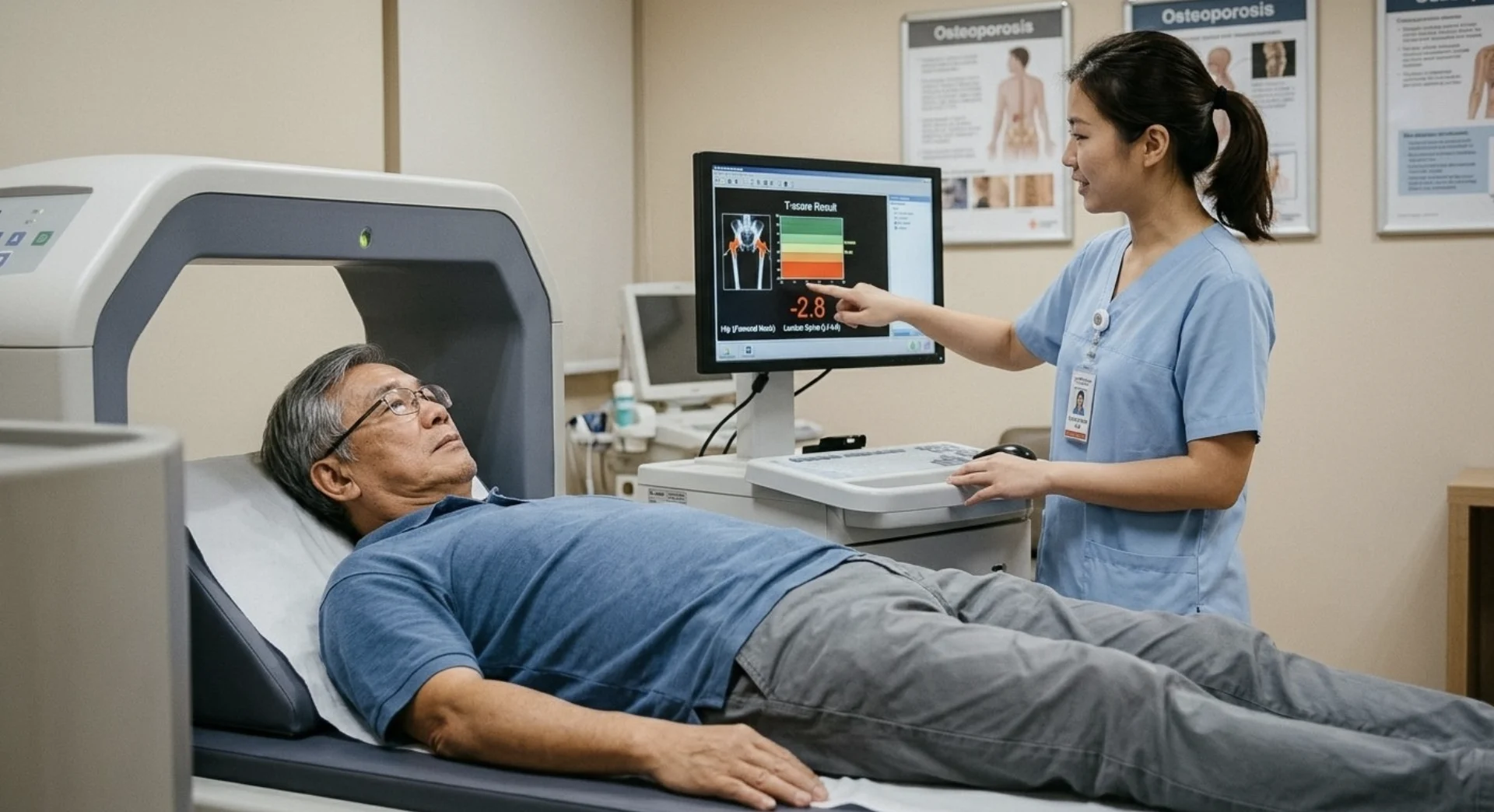

Understanding exactly what happens during a treatment and whether it involves any pain is the most frequent concern we hear. If you are searching for a chiropractic adjustment in Singapore, you naturally want a clear picture of what to expect. Rest assured, these treatments are safe, evidence-based, and highly effective for managing joint discomfort.
Whether you want relief from daily stiffness or want to learn about athletes and chiropractic, preparation matters. Proper aftercare also makes a big difference for performance, recovery, and injury risk.
What is a Chiropractic Adjustment?
A chiropractic adjustment involves a targeted, controlled movement applied to the spine or specific joints. It aims to restore proper mobility, improve structural alignment, and support the nervous system.
A chiropractor applies a low amplitude, high velocity thrust to joints that may have become restricted over time. This targeted action helps restore natural movement and supports better spinal alignment. You might be wondering if the popping sound during a chiropractor spine adjustment is normal. Yes, it is simply gas bubbles releasing from the joint capsule, much like what happens when you crack your knuckles.
While physical therapy focuses largely on muscular rehabilitation and massage targets soft tissues, an adjustment specifically addresses joint mechanics.
How Do Chiropractic Adjustments Work?
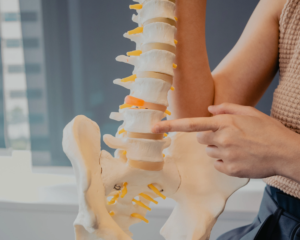
When spinal joints lose their range of motion (often called subluxations), they can irritate nerves and trigger muscle tension. A gentle adjustment restores proper joint function, which typically relaxes muscles and improves local blood flow.
Evidence-based outcomes suggest that how chiropractic work is by restoring this mobility helps relieve pain, supports posture correction, and improves overall flexibility. We try to keep the explanation simple: it is a mechanical approach to managing a mechanical problem.
Conditions Benefiting from Chiropractic Adjustments
A chiropractic adjustment helps manage a wide range of musculoskeletal issues, from daily postural strain to specific sports injuries.
Many new patients assume we only look at the lower back. However, joint restrictions can trigger radiating issues throughout the entire body. Here are key conditions that often respond well to treatment:
- Headaches and migraines
- Neck and shoulder pain
- [Internal Link: Lower back pain page] Lower back pain
- Sciatica and radiating pain
- Herniated or slipped discs
- Poor posture
- Sports injuries
- Arthritis management
By improving how the joints function, the body appears better equipped to manage the underlying causes of these daily discomforts.
Chiropractic Adjustments vs. Other Treatments
| Treatment Type | How It Works | Recovery Time | Best For | Cost Effectiveness |
|---|---|---|---|---|
| Chiropractic Adjustment | Precise joint manipulation to restore mobility | Minimal (resume light activity immediately) | Joint restrictions, back/neck pain, headaches | High (targets root mechanical cause) |
| Physical Therapy | Exercises to strengthen muscles and improve mobility | Gradual (weeks to months) | Muscular weakness, post surgical rehab | Moderate to High |
| Massage Therapy | Manipulation of soft tissues and muscles | Immediate relaxation | Muscle tension, stress relief | Moderate (often temporary relief) |
| Medication | Chemical alteration of pain signals or inflammation | Varies based on prescription | Acute pain flare ups | Low to Moderate (recurring cost) |
| Surgery | Invasive structural alteration | Extensive (months) | Severe structural damage, unresponsive pain | Low (high initial cost and downtime) |
Before Your Chiropractic Adjustment: 5 Essential Steps
Preparing for your appointment ensures a smoother experience and better results. Track your symptoms, hydrate well, eat lightly, dress comfortably, and come with realistic expectations.

Knowing what to expect chiropractic adjustment wise starts long before you step into the clinic.
- Note Your Pain Points: Jot down your symptoms for a couple of days beforehand. Pay attention to what triggers the ache and what seems to offer relief.
- Stay Hydrated: Water is vital for nerve function and spinal disc health. We suggest drinking plenty of water leading up to your visit.
- Eat a Light Meal: Try to eat a small meal about an hour or two before arriving. Lying on your stomach after a heavy lunch is rarely comfortable.
- Wear Comfortable Clothing: Loose, stretchy fabrics make the physical examination much easier. You may need to remove outer layers or stiff shoes.
- Arrive with Realistic Expectations: The process should not be painful, though feeling slight pressure is completely normal. While some patients feel immediate relief, others may notice gradual improvements over several sessions.
After Your Chiropractic Adjustment: 5 Steps to Maximise Result
Maximise your recovery by staying hydrated, avoiding strenuous workouts, getting enough rest, doing your prescribed exercises, and attending follow-up visits.
Proper aftercare helps your body adapt to its new alignment without unnecessary setbacks.
- Stay Hydrated and Avoid Alcohol: Drink plenty of water to help flush out any metabolic waste released during the session. It is best to skip alcohol and sugary drinks for a day or two.
- Move Gently: Light activity like walking is brilliant for recovery. However, avoid intense exercise or heavy lifting for 24 hours, as sudden strenuous activity might undo the progress we just made.
- Get Adequate Rest: Sleep gives your spine time to heal and adapt to the new alignment. Feel free to ask us about the best sleeping positions for your specific issue.
- Follow Recommended Exercises: We provide personalised home care plans. Sticking to these stretches helps maintain alignment and improves long-term spinal health. [Internal Link: Chiropractic treatment page]
- Schedule Follow-Up Appointments: The benefits of a single session can sometimes diminish after a few days if not reinforced. Consistent care is essential for lasting relief, and we will recommend an optimal frequency based on your goals.
Frequently Asked Questions About Chiropractic Adjustments
Will a chiropractic adjustment hurt?
Adjustments rarely hurt. You might feel a brief moment of mild pressure.
Why do I hear popping sounds during an adjustment?
It is just trapped gas escaping the joint capsule, which is completely safe.
How soon will I feel relief after an adjustment?
Some feel instantly lighter. Others take a day or two to notice changes as the body adapts.
How many adjustments will I need?
It depends entirely on your specific condition, severity, and personal health goals.
Is it safe to get chiropractic adjustments?
Yes, when performed by a licensed professional, it is widely recognised as a very safe approach.
Can I get adjustments if I am pregnant?
Yes. Modified techniques are safe and may help manage pregnancy related back pain.
What should I wear to my appointment?
Loose, comfortable gym wear or casual clothing works perfectly.
Can I exercise after a chiropractic adjustment?
Stick to light walking or gentle stretching. Save the heavy lifting for the next day.
Why do I need to stay hydrated before and after an adjustment?
Hydration keeps your spinal discs plump and helps your muscles recover faster post treatment.
Next Steps for Your Spinal Health
Chiropractic adjustments are a safe, evidence-based way to manage pain and improve mobility. They work best with good preparation and sensible aftercare.
Ready to experience the benefits of a proper adjustment? Book your appointment with our clinic today. Our experienced chiropractors will guide you through every step of the process.
Have more questions? Schedule a free consultation or reach out to our team. We are here to help you feel confident about your first visit.