

Acid reflux, commonly known as heartburn, affects millions of people worldwide. It occurs when stomach acid flows back into the oesophagus, causing discomfort that can range from mild burning to significant chest pain. Symptoms often include regurgitation, bloating, nausea, and a sour taste in the mouth.
Antacid tablets are one of the most widely used remedies for immediate relief. They provide a fast-acting, convenient solution for occasional heartburn and acid discomfort.
However, effective acid reflux management goes beyond medication. Understanding how antacid tablets work, when to take them, and how to use them safely is essential. Supporting gut health, understanding the gut-brain connection, and maintaining spinal alignment through lifestyle choices or chiropractic care can enhance overall digestive function (Harvard Medical School, 2025).
What are antacid tablets and how do they work?
Antacid tablets are medications that neutralise excess stomach acid, providing rapid relief from heartburn and related discomfort. They work by raising the pH in the stomach, which reduces acidity and soothes irritation in both the stomach lining and the oesophagus.

Most antacid tablets contain compounds such as calcium carbonate, magnesium hydroxide, or aluminium hydroxide. Some formulations also include simethicone, which helps reduce bloating and gas.
While antacid tablets are effective for immediate symptom relief, they do not treat the underlying cause of acid reflux, which may involve dietary choices, stress, or impaired communication along the gut-brain axis. Understanding the science behind digestion and spinal alignment can make antacid use more effective and support long-term gut health.
What are antacid tablets used for?
Antacid tablets are widely used to manage symptoms caused by excess stomach acid and are among the most accessible over-the-counter options for digestive discomfort. They are designed to provide fast, short-term relief by neutralising acid in the stomach, helping to reduce irritation of the oesophagus and stomach lining. Because they act quickly and are easy to take, antacid tablets are commonly used for occasional symptoms rather than long-term management of chronic conditions.
They are particularly helpful for people who experience symptoms after meals, during periods of stress, or following dietary triggers. Antacid tablets may be used to relieve discomfort caused by:
- Acid reflux and heartburn: burning, tight, or painful sensations in the chest or throat
- Indigestion after meals: especially after heavy, spicy, fatty, or acidic foods
- Mild bloating or stomach upset linked to temporary increases in stomach acid
For many individuals, antacid tablets serve as a first line of defence against sudden digestive discomfort. Their convenience, fast-acting nature, and portability make them suitable for use at work, during travel, or after meals. However, if symptoms occur frequently or worsen over time, further medical evaluation may be necessary to identify and address underlying causes.
How long do antacid tablets last?
The speed and duration of relief from antacid tablets depend on factors such as the formulation, meal composition, and individual metabolism.
- Chewable tablets generally provide relief within 5–10 minutes, lasting 30–60 minutes.
- Liquid tablets or suspensions act slightly faster but may have a shorter duration of effect.
While antacid tablets are effective for short-term relief, they are not designed for long-term management of acid reflux. Chronic symptoms require further evaluation and lifestyle adjustments to address the root causes.
When should antacid tablets be taken?
Timing can significantly affect how well antacid tablets relieve heartburn and acid discomfort. Recommended strategies include:
- After meals: Especially useful if heartburn occurs following a large or spicy meal.
- At the first sign of symptoms: Prompt action can prevent discomfort from escalating.
- Before bedtime: Lying down can trigger reflux; taking antacid tablets beforehand can reduce nighttime symptoms.
It’s important to avoid taking antacids immediately before or after certain medications unless instructed by a healthcare professional, as antacids can interfere with absorption and effectiveness.
Tips for choosing the right antacid tablets
Selecting the right antacid tablet depends on your symptoms and how often they occur. Keep the following in mind:
- Check the ingredientsLook for calcium carbonate, magnesium hydroxide, aluminium compounds, simethicone, or alginates depending on your needs.
- Match symptomsSimple antacids work for occasional heartburn, while simethicone helps with bloating and alginates support reflux relief.
- Choose a suitable formChewable tablets act quickly and are convenient for use after meals or when out.
- Follow dosage and interactionsAvoid exceeding recommended doses and consult a pharmacist if you are taking other medications.
Antacids are best for occasional relief. Frequent or persistent symptoms should be reviewed by a healthcare professional.
Tips when choosing antacid tablets in Singapore

Choosing the right antacid tablets depends on your symptoms, ingredients, and how quickly you need relief. Here are popular options available in Singapore pharmacies:
1. Actal Plus Fast Acting Antacid Tablets
- Antacid Type: Chewable tablet
- Use: Quick relief for heartburn, acid reflux, bloating
- Special feature: Contains simethicone for gas relief
2. Actal Fast Acting Antacid Tablets
- Antacid Type: Chewable tablet
- Use: Neutralises stomach acid for heartburn and indigestion
- Special feature: Affordable, simple, effective
3. Hydrosil Antacid with Simethicone Antacid Tablets
- Antacid Type: Chewable tablet
- Use: Relieves heartburn, gas, bloating
- Special feature: Triple action – aluminium hydroxide, magnesium hydroxide, simethicone
4. Weisen‑U Antacid Tablets
- Antacid Type: Chewable tablet
- Use: Comfort from gastritis, mild acidity
- Special feature: Gentle on the stomach, highly rated
5. Gaviscon Double Action Antacid Tablets
- Antacid Type: Chewable tablet
- Use: Reduces acid reflux and heartburn
- Special feature: Forms protective barrier in stomach to prevent reflux
6. Rennie Peppermint Antacid Tablets
- Antacid Type: Chewable tablet
- Use: Quick relief from heartburn and indigestion
- Special feature: Pleasant peppermint flavour, widely trusted
Can i take antacid tablets with paracetamol or other medications?
In most cases, antacid tablets can be taken with paracetamol without issue. However, some antacids can interact with other medications, including:
- Certain antibiotics (like tetracycline or fluoroquinolones)
- Iron supplements
- Thyroid medications
To ensure safe use:
- Take other medications at least 1–2 hours apart from antacids.
- Always check with a pharmacist or healthcare professional if unsure.
Following these precautions helps prevent reduced medication effectiveness while allowing antacid tablets to provide relief.
How many antacid tablets can i take in a day?
The safe number of antacid tablets depends on the product and formulation. Standard guidelines usually recommend:
- Chewable tablets: 1–2 tablets as needed, not exceeding 10–12 in 24 hours.
- Liquid tablets: follow the label instructions for volume and frequency.
Exceeding the recommended dosage can reduce effectiveness and increase the risk of side effects, so always follow product instructions and professional advice.
Is acid reflux dangerous if untreated?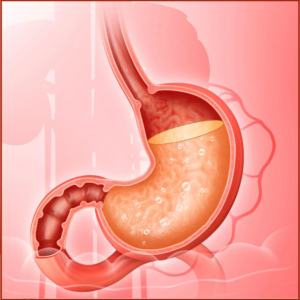
Occasional acid reflux is typically harmless. However, chronic reflux can lead to serious complications:
- Oesophagitis – inflammation of the oesophagus, causing pain and difficulty swallowing
- Ulcers or erosions – sores in the lining of the oesophagus that can bleed or cause discomfort
- Barrett’s oesophagus – a precancerous change in the oesophagus lining, increasing long-term risk
- Dental erosion – gradual wearing down of teeth due to stomach acid
Timely intervention using antacid tablets, lifestyle changes, and professional guidance can prevent these complications.
How can lifestyle changes complement antacid tablets?
Lifestyle modifications can enhance the effectiveness of antacid tablets and reduce reflux frequency:
- Smaller, frequent meals reduce stomach pressure.
- Avoid trigger foods such as spicy, fatty, or acidic foods.
- Limit alcohol and caffeine, which can increase acid production.
- Stay upright after meals to aid digestion.
- Maintain spinal alignment and good posture, which supports proper gut motility and nerve signalling.
These changes improve both digestive comfort and gut-brain-spine communication, complementing the relief provided by antacid tablets.
Can chiropractic care support digestive health and reduce acid reflux?
Chiropractic care focuses on spinal alignment and nervous system health, which can directly influence gut function and overall digestion. Proper spinal alignment may:
- Improve gut motility and digestion
- Reduce abdominal discomfort
- Enhance parasympathetic (“rest and digest”) nervous system activity
While chiropractic care does not replace antacid tablets or medical treatment, it can form part of a holistic approach to managing acid reflux, supporting gut function, and improving nervous system balance over the long term.
How gut health communicates with the brain
The gut-brain axis is a complex communication network connecting the digestive system and the brain. This involves:
- Nerve signals from the enteric nervous system
- Hormonal signalling affecting appetite, digestion, and stress responses
- Microbiome interactions influencing inflammation and neurotransmitter production
Supporting gut-brain communication through healthy eating, stress management, proper posture, and spinal alignment can enhance digestion, reduce reflux, and improve the effectiveness of antacid tablets
If acid reflux affects your quality of life, book a consultation with Chiropractic Singapore to explore a holistic plan for digestive and spinal health.
Frequently asked questions about antacid tablets
1. How quickly do antacid tablets relieve heartburn?
Antacid tablets usually provide relief within minutes, particularly chewable or liquid formulations. Liquids tend to act faster because they coat the stomach lining and oesophagus immediately, while chewable tablets need time to dissolve. Individual factors such as meal size, stomach acidity, and metabolism can also influence how quickly relief occurs.
2. What is the difference between chewable and liquid antacid tablets?
Chewable tablets are portable, convenient, and ideal for on-the-go use. Liquids act faster as they spread quickly across the stomach lining, but their effects may not last as long. Choosing between them depends on your lifestyle, symptom severity, and how quickly you need relief.
3. Can lifestyle changes reduce the need for antacid tablets?
Yes. Adjusting your diet, posture, and stress levels can help prevent frequent acid reflux and reduce reliance on antacids. Tips include:
- Eating smaller, more frequent meals instead of large meals
- Avoiding trigger foods like spicy, fatty, or acidic dishes
- Staying upright for at least 30 minutes after eating
- Managing stress with relaxation techniques such as meditation or deep breathing
4. Are there natural alternatives to antacid tablets?
Several lifestyle strategies can complement or even reduce the need for antacids:
- Gentle physical activity like walking after meals
- Mindful eating and slower chewing to aid digestion
- Avoiding late-night meals or lying down immediately after eating
- Incorporating alkaline or low-acid foods such as vegetables and whole grainsThese measures may improve digestion naturally, but persistent symptoms should still be assessed by a healthcare professional.
5. When should I see a doctor for persistent acid reflux?
You should seek medical attention if acid reflux or heartburn lasts more than two weeks or is accompanied by:
- Severe or worsening pain
- Difficulty swallowing or persistent nausea
- Blood in vomit or stools
- Unexplained weight lossThese could indicate more serious conditions such as gastroesophageal reflux disease (GERD), ulcers, or other gastrointestinal disorders that require professional treatment.
6. Can antacid tablets affect my diet or food choices?
While antacids provide quick relief, they do not prevent reflux caused by certain foods. Spicy, fatty, or acidic meals can trigger symptoms even when taking antacids. Combining antacid use with mindful eating habits, portion control, and avoiding known trigger foods maximises their effectiveness and supports long-term digestive health.