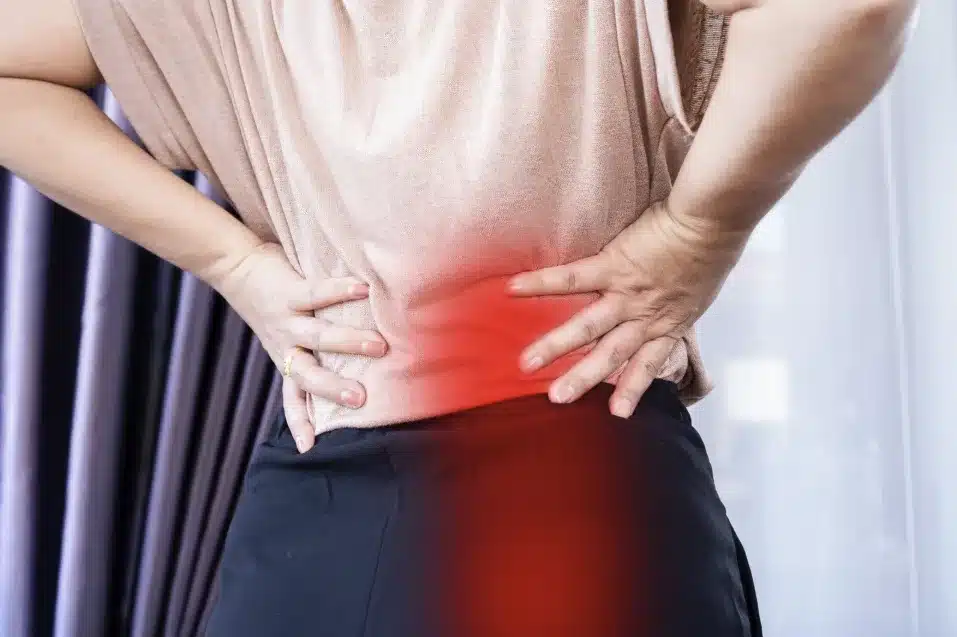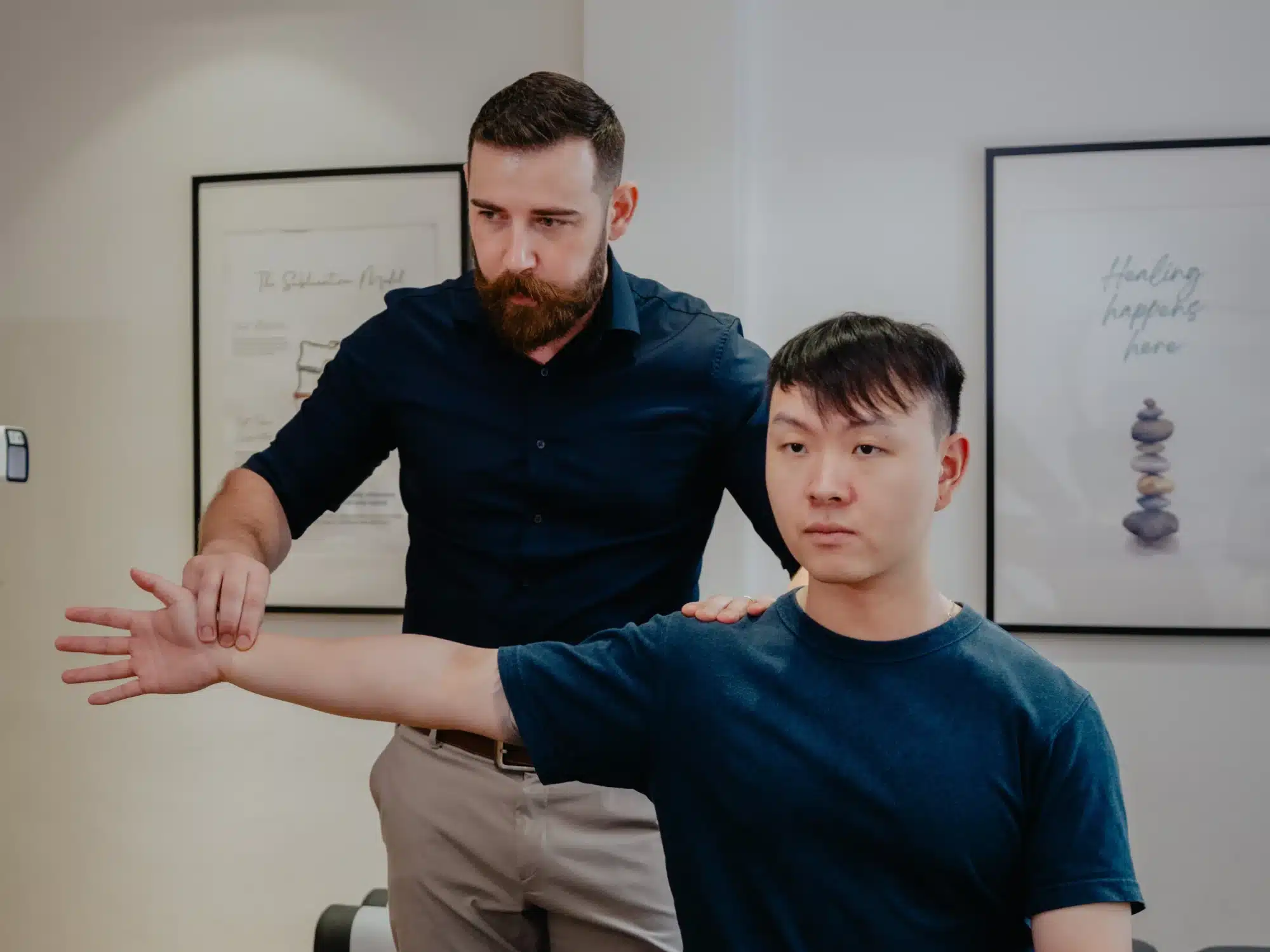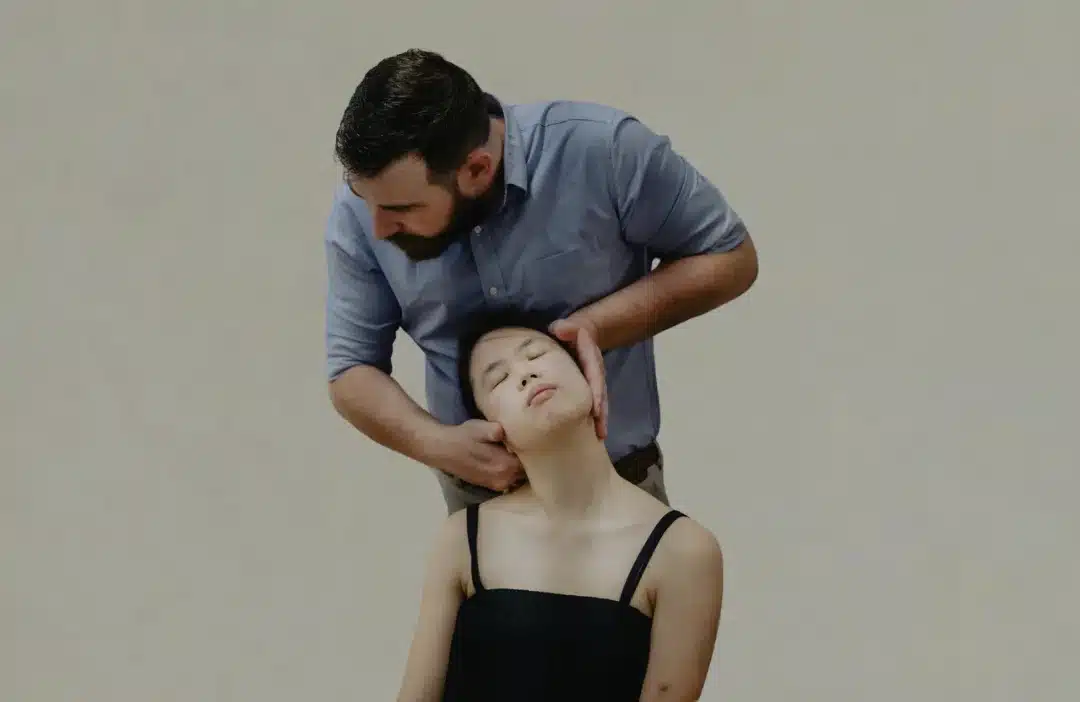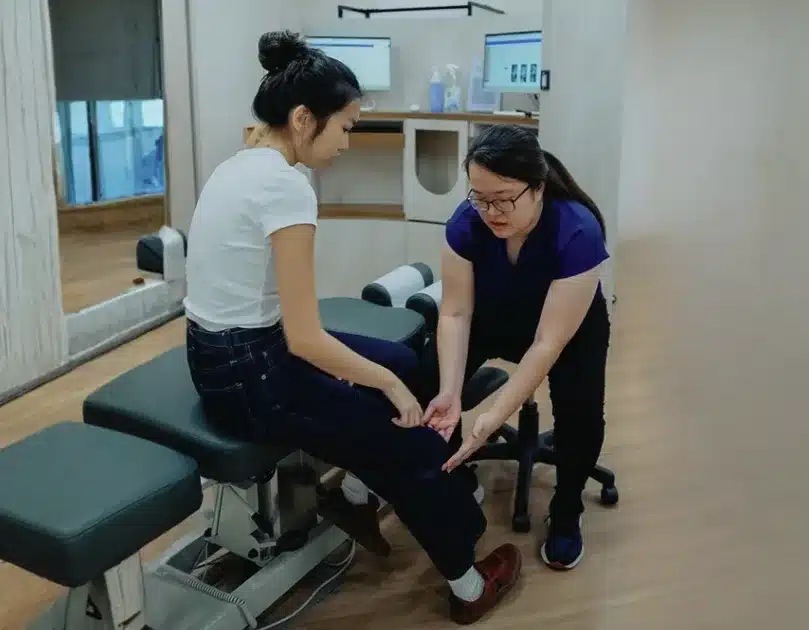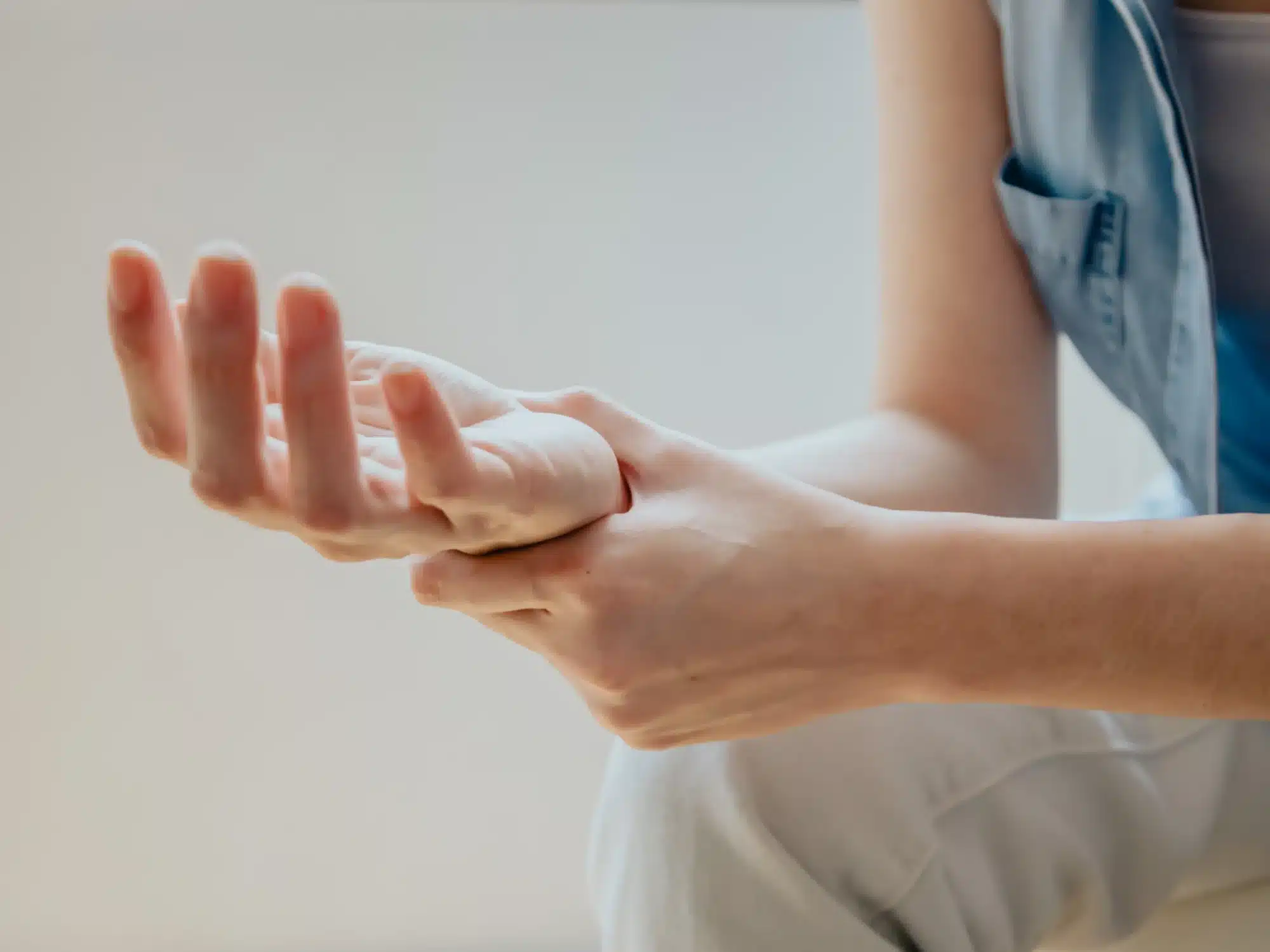
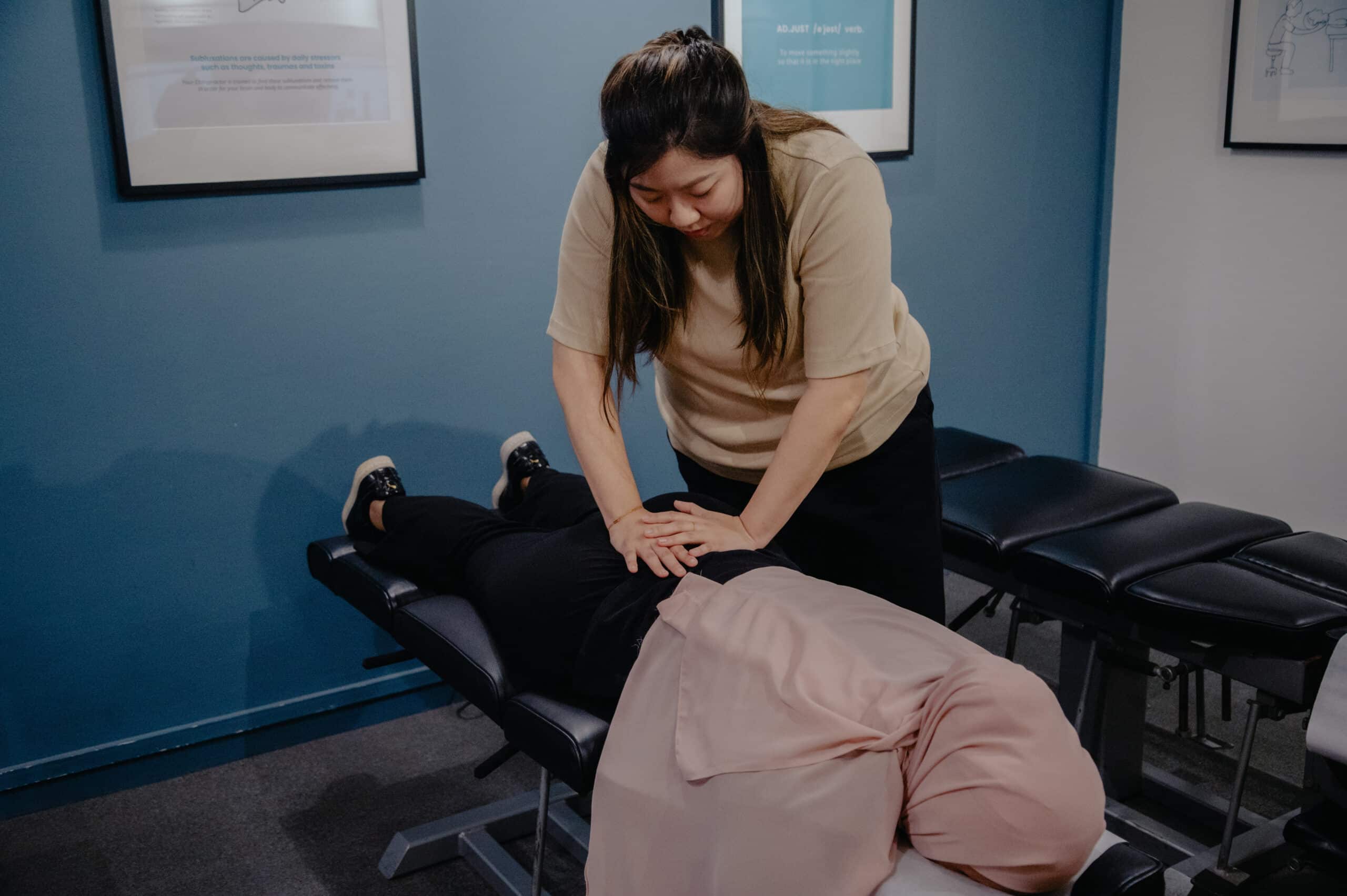
From that familiar ache when you stand up to a sharp twinge on the stairs, hip pain is a common frustration with many potential causes. In most cases, this responds well to conservative treatment, especially when you understand what’s happening inside your body. Explore the common causes of hip discomfort and learn how chiropractic care can provide the relief you need.
What Causes Hip Pain? Understanding the Root Problems
Identifying the source of hip discomfort involves looking at where the pain manifests and how it behaves during daily activities. While many assume the hip is just the outer bone, clinical reality often points to a complex interplay between joints, muscles, and the lower spine.
. Outer hip and buttock pain points to muscles, tendons, or bursae. Bursitis creates sharp pain when pressure is applied, like lying on that side. Hip and leg pain causes often involve the iliotibial band (IT band) or gluteal muscles, particularly if you've increased activity levels recently. ### Red Flags: When to Seek Immediate Chiropractic Care Most hip pain improves with rest and appropriate care, but certain symptoms warrant urgent attention: - Sudden inability to bear weight on the affected leg - Severe pain following a fall or accident - Hip pain accompanied by fever or feeling generally unwell - Nighttime pain that wakes you from sleep - Visible deformity or swelling around the hip ### Common Causes of Hip Pain in Females Women experience certain hip pain causes that men don't. Pregnancy-related pelvic girdle pain affects many expectant mothers, caused by hormonal changes that loosen ligaments and the increasing weight of the baby. This typically resolves after delivery but can be quite uncomfortable during pregnancy. Endometriosis occasionally causes referred hip pain, though this type of discomfortcondition is less commonly the culprit in most hip pain cases. Endometriosis occasionally causes referred hip pain, though this is less common. Hormonal fluctuations throughout the menstrual cycle can also influence joint and muscle pain sensitivity. If you're experiencing hip pain that seems to correlate with your cycle, mention this to your healthcare provider. --- ## How Chiropractic Care Can Help with Hip Pain Chiropractic treatment takes a whole-body approach to hip pain, recognising that your hip doesn't exist in isolation. The pelvis, spine, and hip work together as a unit.  ### Correcting Pelvic Alignment and Spinal Health Lower back and hip pain often stem from pelvic misalignment. When the pelvis rotates or tilts, it creates uneven pressure that forces one hip to bear excessive load. Chiropractors address this by performing gentle adjustments to restore proper alignment. This process relieves pressure on the joints and improves gait, which naturally reduces overall hip strain. ### Non-Invasive Techniques for Joint Mobility Chiropractic care provides drug-free solutions to improve hip mobility through joint mobilisation and soft tissue therapy. These techniques gently restore range of motion and release tight muscles that pull the hip out of alignment. This approach is highly effective for hip bursitis and tendinitis because improved mechanics reduce inflammation naturally. By restoring normal movement patterns, these treatments allow the body to heal without relying solely on medication. ### Rehabilitative Exercises for Hip Flexors and Core Treatment continues beyond the clinic through prescribed exercises that target the underlying causes of hip pain. Strengthening the core and hip stabilisers prevents future episodes by addressing muscular imbalances. Consistent glute activation and hip flexor stretches provide a long-term remedy by supporting proper joint function. --- ## Frequently Asked Questions About Hip Pain Causes ### Can my hip be causing knee pain? Yes. Referred pain is common; a misalignment in the hip causing knee pain is a frequent diagnosis in chiropractic care, as the knee often overcompensates for hip instability. ### **Why does my hip hurt suddenly without an injury?** Silent causes like bursitis or micro-tears in tendons can develop gradually before symptoms appear. Sometimes a seemingly minor movement triggers pain in already-stressed tissues. Arthritis also progresses quietly before becoming noticeable. ### **Should I keep walking if my hip hurts?** Gentle walking is usually fine, but if you experience sharp **hip joint pain when walking**, it’s a sign to stop and seek an assessment. ### **What is the best sleeping position for hip pain?** Side-sleeping with a pillow between your knees often provides the most comfort. This keeps your hips aligned and reduces pressure. If you sleep on your back, place a pillow under your knees. ### **Can constipation or knee pain cause hip issues?** The body works as a connected system. Knee problems often alter your gait, which can strain your hips over time. Severe constipation may cause referred pain to the hip area, though this is less common than other causes. --- **Ready to address your hip pain?** Chiropractic Singapore offers comprehensive assessments to identify the root cause of your discomfort. [Book a consultation](#booknow) to explore whether chiropractic care might be the right approach for your specific situation.](https://www.chiropractic-singapore.com.sg/wp-content/uploads/2026/02/Knee-Pain-3-1-300x200.jpg)
Common Hip Pain Causes by Location
Whether you are experiencing left hip pain or right hip pain, the location often dictates the cause. Below are the causes based on where you feel the discomfort:
| Pain Location | Likely Source | Common Conditions | Key Characteristics |
|---|---|---|---|
| Inside (Groin Area) | Joint Issue | • Osteoarthritis | |
| • Labral Tear | Cartilage wear or damage to the socket ring; common in athletes with repetitive twisting. | ||
| Outside (Outer Hip/Thigh) | Soft Tissue Problem | • Bursitis | |
| • Tendinitis | Inflammation of fluid sacs or tendons; often makes sleeping on that side painful. | ||
| Back (Lower Back/Buttocks) | Pinched Nerve | • Pinched Nerve | |
| • SI Joint Issues | Pain often confused with hip pain but actually radiates from the lower spine or pelvic connection. |
Age-Related Hip Pain Causes in Older Adults
Ageing naturally impacts joint integrity, with osteoarthritis being the most common cause of hip stiffness and grinding in Singapore. However, many people also wonder: does osteoporosis cause pain in the hips? While the condition itself is often silent and painless during its early stages, it significantly weakens the bone structure. This fragility can lead to stress fractures from minor movements, triggering the onset of sudden, sharp pain.
In addition to bone density issues, sudden hip bone pain may signal avascular necrosis, which occurs when blood supply to the bone is compromised. Because these conditions often overlap, a professional assessment is required to distinguish serious bone issues from standard age-related wear and tear.
Common Causes of Hip Pain in Runners and Athletes
For active individuals or frequent gym goers, your hip pain is likely related to mechanical stress. The hip flexors, a group of muscles at the front of your hip, often become tight or strained from repetitive motion. If you are wondering what causes hip flexor pain, it is often the result of tight muscles being overstretched during a workout.
- Hip pain after running: This might be due to Greater Trochanteric Pain Syndrome (GTPS), which affects the tendons on the side of the hip.
- Gait Issues: These are among the leading causes of hip pain in runners, as a tilted pelvis puts uneven pressure on the joint.
Recognising Your Symptoms: Is it Bone, Muscle, or Nerve?
Pinpointing whether your pain comes from bone, muscle, or nerve helps determine the right treatment approach. Each type presents differently and responds to different interventions.
Identifying the Location: Groin vs. Outer Hip
Groin pain that’s deep and achy usually indicates the joint itself has a problem. Think arthritis, labral tears, or occasionally hip impingement where the bones don’t move smoothly together. This type of pain often worsens with activity and may cause a clicking sensation.
Outer hip and buttock pain points to muscles, tendons, or bursae. Bursitis creates sharp pain when pressure is applied, like lying on that side. Hip and leg pain causes often involve the iliotibial band (IT band) or gluteal muscles, particularly if you’ve increased activity levels recently.
Red Flags: When to Seek Immediate Chiropractic Care
Most hip pain improves with rest and appropriate care, but certain symptoms warrant urgent attention:
- Sudden inability to bear weight on the affected leg
- Severe pain following a fall or accident
- Hip pain accompanied by fever or feeling generally unwell
- Nighttime pain that wakes you from sleep
- Visible deformity or swelling around the hip
Common Causes of Hip Pain in Females
Women experience certain hip pain causes that men don’t. Pregnancy-related pelvic girdle pain affects many expectant mothers, caused by hormonal changes that loosen ligaments and the increasing weight of the baby. This typically resolves after delivery but can be quite uncomfortable during pregnancy.
Endometriosis occasionally causes referred hip pain, though this type of discomfort is less commonly the culprit in most hip pain cases. Hormonal fluctuations throughout the menstrual cycle can also influence joint and muscle pain sensitivity. If you’re experiencing hip pain that seems to correlate with your cycle, mention this to your healthcare provider.
How Chiropractic Care Can Help with Hip Pain
Chiropractic treatment takes a whole-body approach to hip pain, recognising that your hip doesn’t exist in isolation. The pelvis, spine, and hip work together as a unit.
Correcting Pelvic Alignment and Spinal Health
Lower back and hip pain often stem from pelvic misalignment. When the pelvis rotates or tilts, it creates uneven pressure that forces one hip to bear excessive load. Chiropractors address this by performing gentle adjustments to restore proper alignment. This process relieves pressure on the joints and improves gait, which naturally reduces overall hip strain.
Non-Invasive Techniques for Joint Mobility
Chiropractic care provides drug-free solutions to improve hip mobility through joint mobilisation and soft tissue therapy. These techniques gently restore range of motion and release tight muscles that pull the hip out of alignment. This approach is highly effective for hip bursitis and tendinitis because improved mechanics reduce inflammation naturally. By restoring normal movement patterns, these treatments allow the body to heal without relying solely on medication.
Rehabilitative Exercises for Hip Flexors and Core
Treatment continues beyond the clinic through prescribed exercises that target the underlying causes of hip pain. Strengthening the core and hip stabilisers prevents future episodes by addressing muscular imbalances. Consistent glute activation and hip flexor stretches provide a long-term remedy by supporting proper joint function.
Frequently Asked Questions About Hip Pain Causes
Can my hip be causing knee pain?
Yes. Referred pain is common; a misalignment in the hip causing knee pain is a frequent diagnosis in chiropractic care, as the knee often overcompensates for hip instability.
Why does my hip hurt suddenly without an injury?
Silent causes like bursitis or micro-tears in tendons can develop gradually before symptoms appear. Sometimes a seemingly minor movement triggers pain in already-stressed tissues. Arthritis also progresses quietly before becoming noticeable.
Should I keep walking if my hip hurts?
Gentle walking is usually fine, but if you experience sharp hip joint pain when walking, it’s a sign to stop and seek an assessment.
What is the best sleeping position for hip pain?
Side-sleeping with a pillow between your knees often provides the most comfort. This keeps your hips aligned and reduces pressure. If you sleep on your back, place a pillow under your knees.
Can constipation or knee pain cause hip issues?
The body works as a connected system. Knee problems often alter your gait, which can strain your hips over time. Severe constipation may cause referred pain to the hip area, though this is less common than other causes.
Ready to address your hip pain? Chiropractic Singapore offers comprehensive assessments to identify the root cause of your discomfort. Book a consultation to explore whether chiropractic care might be the right approach for your specific situation.