
Published on: 23 November 2026
Posterior shin splints are a common overuse injury that causes pain along the inner edge of the shinbone (tibia). This condition, medically known as medial tibial stress syndrome, often affects runners, dancers, and military personnel, but anyone who increases their physical activity suddenly can develop it.
At Chiropractic Singapore, we often see patients struggling with this deep, aching leg pain. Addressing the root cause, rather than just the symptoms, is key to managing posterior shin splints. This guide will explore the diagnostic markers, biomechanical causes, and targeted clinical interventions for effective relief.
Diagnostic Markers of Inner Lower Leg Pain
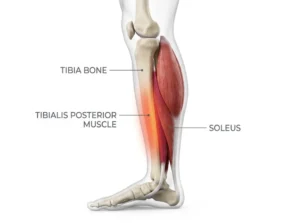
Inner lower leg pain is the primary diagnostic marker for posterior shin splints. The pain is typically felt along the inner, back edge of the shinbone, specifically in the lower two-thirds of the leg. This area may be tender to the touch, and mild swelling might be present.
What does a posterior shin splint feel like?
A posterior shin splint feels like a dull, aching pain along the inner side of your shinbone. The pain usually starts gradually, often occurring during or after exercise. Initially, the ache might subside when you stop moving, but as the condition worsens, the pain can become sharper and more persistent, lingering even during rest.
Biomechanical Overload and Tibialis Posterior Stress
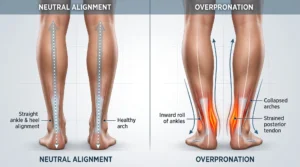
Biomechanical overload occurs when the structures of the lower leg, including the soleus and flexor digitorum longus muscles, are subjected to more stress than they can handle. This repetitive stress inflames the shinbone’s covering (periosteum) and causes microtrauma to the underlying bone, leading to inflammation and pain.
- Foot Mechanics: Overpronation, where the foot rolls inward excessively during walking or running, places significant strain on the tibialis posterior.
- Arch Issues: A collapsed arch or having flat feet forces the muscles of the lower leg to work harder to stabilise the foot, leading to fatigue and micro-tears. Seeing a flat feet chiropractor in Singapore can help address these structural imbalances.
- Training Errors: Sudden increases in training intensity, duration, or frequency do not give the tissues enough time to recover and adapt.
- Improper Footwear: Running in worn-out shoes or shoes that do not provide adequate support for your foot type can contribute to biomechanical overload.
Why do I get posterior shin splints so easily?
You likely get posterior shin splints easily due to underlying biomechanical issues, such as overpronation or flat feet, which place constant stress on your lower leg. Additionally, if you frequently increase your exercise intensity without allowing for adequate rest, or if you wear unsupportive footwear, you are more susceptible to this recurring injury.
The Myth of Tissue Adaptation Versus Structural Damage
There is a common misconception that pushing through the pain of shin splints is necessary to toughen the legs. However, persistent pain is a sign of structural damage, not healthy tissue adaptation. Continuing to stress the area without addressing the underlying cause can lead to more severe injuries. According to Mayo Clinic, ignoring the pain can result in a stress fracture.
| Injury Stage | Description | Pain Characteristics |
|---|---|---|
| Grade 1 | Mild inflammation of the muscle and bone covering. | Pain occurs after exercise and resolves with adequate rest. |
| Grade 2 | Moderate inflammation and micro-tearing. | Pain occurs during and after exercise, but doesn’t prevent activity. |
| Grade 3 | Severe inflammation, potential for stress reactions. | Pain is constant, sharp, and limits daily activities and exercise. |
| Grade 4 (Stress Fracture) | Tiny cracks in the shinbone. | Severe, localised pain that worsens with weight-bearing. |
Do shin splints mean your shins are getting stronger?
No, shin splints do not mean your shins are getting stronger; they indicate that the muscles and bone tissue in your lower leg are being overworked and damaged. Pain is your body’s signal to stop and allow the tissues to heal, rather than a sign of beneficial adaptation.
What will happen if shin splints go untreated?
If shin splints go untreated, the ongoing stress can progress from muscle and bone covering inflammation to a bone stress reaction, and ultimately to tiny cracks in the bone itself, known as a stress fracture. A stress fracture is a much more serious condition that requires a longer recovery period and significantly limits mobility.
Targeted Clinical Interventions for Medial Tibial Stress
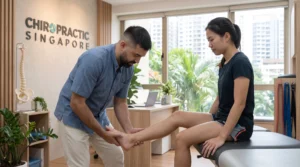
Targeted clinical interventions focus on reducing inflammation, promoting healing, and correcting the biomechanical issues causing the stress. Treatment plans are customised based on the severity of the condition and the individual’s specific needs.
- Rest and Modification: Temporarily reducing or modifying activities that cause pain, such as switching from running to swimming or cycling.
- Ice Therapy: Applying ice to the affected area helps constrict blood vessels, reducing pain and inflammation.
- Biomechanical Correction: Using custom orthotics or specific taping techniques to support the arch and control overpronation.
- Active Rehabilitation: Engaging in a structured program that includes targeted chiropractic stretches and strengthening exercises for the lower leg and core improves stability and resilience.
How do you treat posterior shin splints?
You fix posterior shin splints by first resting the affected leg and using ice to reduce initial inflammation and pain. Long-term management requires correcting underlying biomechanical issues, such as flat feet or overpronation, and gradually strengthening the lower leg muscles through a guided rehabilitation program.
Can you effectively heal and prevent shin splints?
Yes, you can effectively manage and prevent shin splints from returning by addressing the root causes, such as poor foot mechanics, improper footwear, or training errors. However, if you return to the same habits that caused the injury initially, the shin splints are likely to return.
How long do posterior shin splints last?
Posterior shin splints typically last anywhere from a few weeks to several months, depending on the severity of the injury and how strictly you adhere to your treatment plan. Mild cases may resolve in two to four weeks with adequate rest, while chronic cases or those involving structural damage will require a longer recovery period.
Taking the Next Step Towards Lasting Lower Leg Relief
Addressing posterior shin splints requires more than just masking the pain; it requires a comprehensive approach to correct the underlying structural issues. Ignoring the warning signs can lead to more severe complications, hindering your mobility and quality of life.
If rest and home arch support are not providing long-term relief for your medial tibial pain, booking an assessment with a chiropractor near you is the crucial next step to uncover your underlying biomechanical imbalances and begin a targeted, non-invasive treatment plan tailored to your posterior shin splints. Early intervention is the key to optimal healing and a safe return to your active lifestyle.