

Published on: 23 November 2026
Waking up with numb, tingling hands can make simple daily tasks feel impossible. When hand pain begins to disrupt your life, finding effective carpal tunnel syndrome treatment options becomes your top priority.
Fortunately, surgery is rarely the only answer for wrist and hand discomfort. Many people find lasting relief through careful, non-invasive methods that address the root cause of the nerve pressure.
By understanding your choices, you can take control of your hand health. Let us look closely at how different therapies can help you regain comfort and strength.
Evaluating Conservative and Non-Surgical Therapy Approaches
Conservative therapy approaches focus on reducing inflammation and taking pressure off your wrist without the need for surgery. These non-surgical methods include wearing splints, adjusting your workspace, and changing how you use your hands every day.
Can you relieve carpal tunnel syndrome symptoms without surgery?
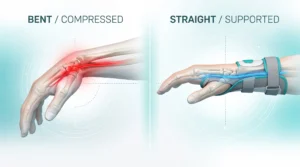
Yes, you can often manage carpal tunnel syndrome by reducing the stress placed on your median nerve and allowing the irritated tissues time to recover.
This recovery journey begins by addressing the root of the problem: reducing the localised pressure on the median nerve as it passes through your wrist.
Also doing the pinched nerve relief, you create the right environment for your body to heal itself.
Simple habits, like keeping your wrist straight while sleeping and taking frequent screen breaks, support this steady recovery process.
Exploring Chiropractic Care and Physical Rehabilitation Techniques

Chiropractic care and physical rehabilitation treat carpal tunnel by realigning the spine, shoulder, and wrist joints to take pressure off your nerves. Your chiropractor will use gentle adjustments to improve joint motion and relax tight muscles that contribute to nerve pinching.
According to the American Academy of Orthopaedic Surgeons, non-surgical care is often the recommended first line of defence for this condition.
What happens if carpal tunnel is left untreated?
If left untreated, carpal tunnel syndrome can cause permanent nerve damage, leading to constant numbness and a severe loss of muscle strength in your thumb.
Ignoring this nerve compression means the condition will slowly worsen over time.
What starts as a slight tingling can easily turn into chronic, radiating wrist pain that makes it hard to even hold a coffee cup.
Early intervention is crucial to stop the nerve damage before it becomes permanent.
Integrating Prescribed Exercises and Home Care Regimens
Prescribed exercises and home care regimens work together to stretch tight ligaments and keep your nerve gliding smoothly through your wrist. Combining these daily habits with proper rest ensures your wrist gets the constant support it needs to stay healthy.
What are the top 3 exercises for carpal tunnel syndrome?
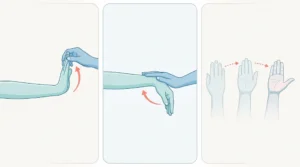
The top three exercises for carpal tunnel syndrome are wrist flexor stretches, wrist extensor stretches, and median nerve glides.
These targeted movements help reduce stiffness and prevent the tendons in your wrist from swelling.
You can easily pair these specific hand movements with broader chiropractic stretches to keep your entire arm and shoulder relaxed.
It is highly recommended to perform these exercises gently and stop immediately if you feel any sharp pain.
Is squeezing a ball good for the carpal tunnel?

No, squeezing a stress ball is generally not good for carpal tunnel syndrome because it tightens the very tendons that are already swelling and pressing on your nerves.
This gripping motion increases the pressure inside your wrist canal, which can actually make your symptoms worse.
Instead of squeezing, focus on exercises that open up the hand and stretch the fingers outward.
Comparing Medical Grading and Treatment Pathways
Medical grading typically categorises your nerve compression into three main stages (mild, moderate, and severe) to help doctors choose the safest and most effective treatment pathway. Knowing your exact stage helps set realistic expectations for your overall recovery timeline.
The National Library of Medicine notes that a proper diagnosis is the key to matching the right treatment to your specific condition.
What is severe carpal tunnel syndrome?
Severe carpal tunnel syndrome is the most advanced level of the condition, marked by constant numbness, noticeable muscle wasting at the base of the thumb, and a high risk of permanent nerve damage.
To fully understand the progression of this condition, it is important to look at all the standard medical classifications.
| Severity Level | Common Symptoms | Typical Treatment Pathway |
|---|---|---|
| Mild | Occasional tingling, mostly at night or after heavy hand use. | Wrist splinting, rest, and basic ergonomics. |
| Moderate | Daily numbness, occasional pain traveling up the arm. | Chiropractic adjustments, physical therapy, and daily stretching. |
| Severe | Constant numbness, dropping objects, noticeable grip weakness. | Intensive physical rehabilitation, potential medical intervention. |
What are the signs that your carpal tunnel is getting worse?
The clear signs that your carpal tunnel is getting worse include waking up multiple times at night with hand pain, struggling to hold small objects, and noticing that your symptoms no longer go away when you rest.
Other warning signs to watch out for include:
- Numbness that lasts all day without a break.
- Pain that shoots from your wrist up to your elbow or shoulder.
- Noticeable clumsiness, like frequently dropping your keys or phone.
- A visible flattening of the muscle pad at the base of your thumb.
Taking the Next Step Towards Recovery
Taking the next step towards natural recovery means moving beyond home remedies and partnering with a professional who understands spinal and nerve health. Waiting too long to seek help can limit your options and prolong your discomfort.
By seeking expert guidance, you can pinpoint exactly where the nerve is being pinched and address it safely.
If conservative methods at home are not providing long-term relief, book a comprehensive assessment with our Chiropractors today to explore targeted, non-invasive treatment plans tailored to your specific wrist condition.