
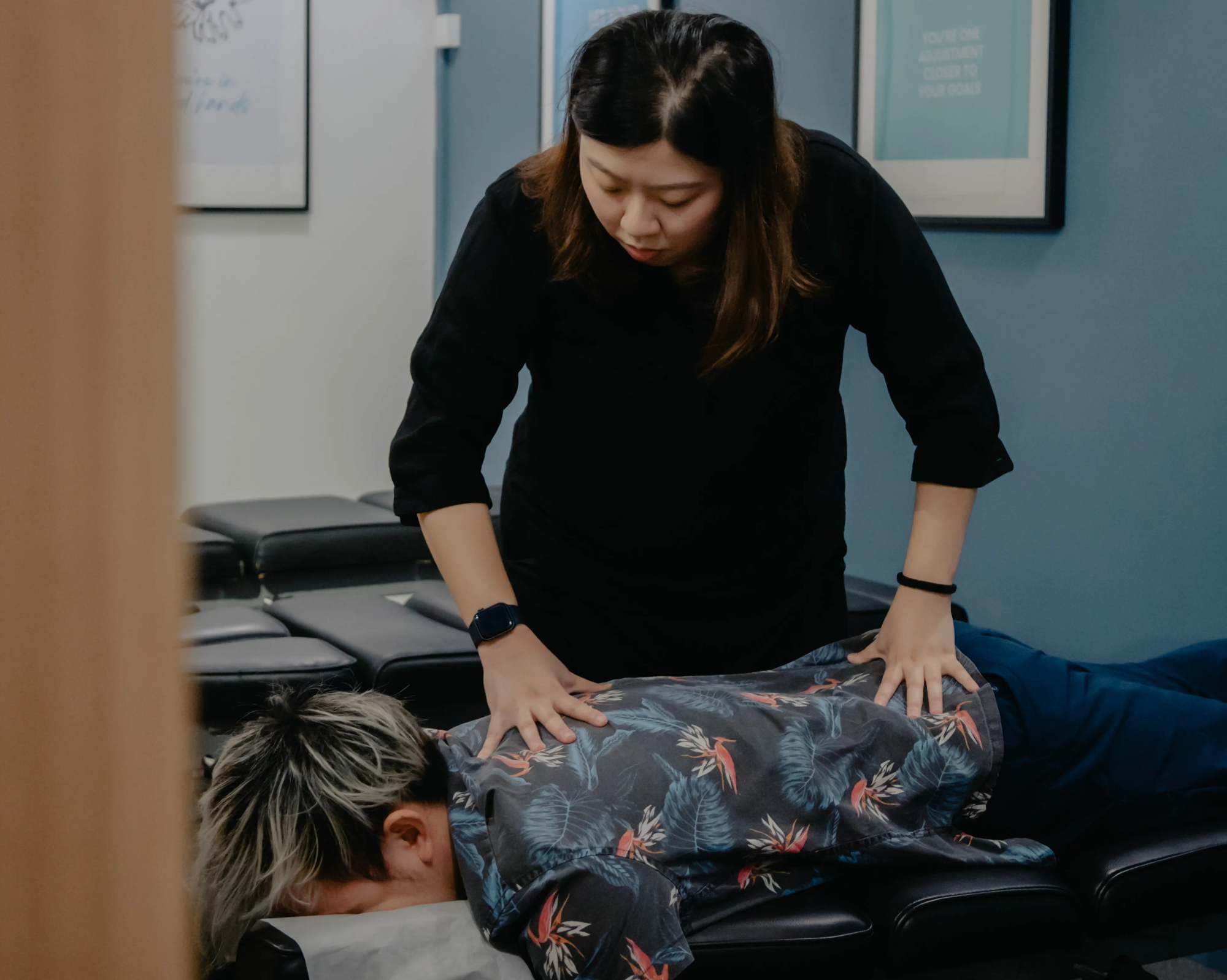
Whether you’re a professional or hobbyist, athletes and chiropractic care are a winning team for peak performance. More than just relieving pain, chiropractic care fixes the root cause of physical limits. This ensures your nervous system and muscles communicate perfectly for better movement.
By targeting performance optimisation, injury recovery, and proactive risk management, a precise chiropractic adjustment in Singapore helps you move better and heal faster. Discover why top performers trust chiropractic to bridge the gap between a podium finish and the sidelines.
Why Athletes Choose Chiropractic Care (The Three Pillars)
Athletes choose chiropractic because it treats the whole body as a single, connected system. By focusing on spinal health, athletes often find they can access hidden reserves of power and agility.
Pillar 1: Performance Optimisation
Spinal alignment is essentially the tuning of your body’s electrical system. Proper spinal alignment clears interference from the nervous system, boosting your coordination and reaction speed. With regular chiropractic adjustment in Singapore you might experience:
- Increased range of motion and joint flexibility.
- Sharper proprioception (your brain’s ability to know where your limbs are in space).
- More efficient muscle recruitment during explosive movements.
Pillar 2: Injury Recovery & Management
When an injury happens, the goal is a safe and swift return to sport. Our approach to sports injury treatment Singapore speeds up recovery by lowering inflammation and maintaining mobility. Instead of relying on heavy medication, it supports your body’s natural ability to heal and repair tissue.
Pillar 3: Injury-Risk Management & Prevention
Prevention is more effective than a cure. Regular sessions help identify minor movement dysfunctions before they turn into a torn ligament or a chronic strain. Good posture reduces uneven wear and tear that causes re-injury. This helps you stay in the game and can extend your athletic career by years.
How Chiropractic Care Improves Athletic Performance
Optimal performance is the result of biomechanical efficiency. An aligned spine allows your body to produce power without fighting its own structure.

Spinal Alignment & Nervous System Function
Misalignments in the spine, often called subluxations, can hinder how quickly your brain sends signals to your muscles. Fixing these restrictions allows for faster muscle recruitment. This improves balance and coordination. These skills are essential whether you’re lunging for a dink or smashing a winner on the pickleball court.
Range of Motion & Flexibility
A stiff joint is a vulnerable joint. Adjustments restore mobility to specific segments of the spine and extremities. Less muscle tightness lets you perform the deep lunges and high reaches needed for sports like tennis or basketball.
Strength & Power Output
When your skeleton is properly stacked, your muscles fire in the correct sequence. You avoid leaking energy through compensatory patterns. This means more of your effort goes directly into your sprint or your lift, rather than trying to stabilise a crooked frame.
Endurance & Recovery
Better spinal function supports cardiovascular efficiency. If your ribcage and spine move freely, your breathing is less restricted. This may help with oxygen delivery to tired muscles. Additionally, many athletes report improved sleep quality after adjustments, which is the most critical window for physical repair.
Common Sports Injuries & Chiropractic Treatment Approach
Sports injuries often stem from a combination of sudden impact and repetitive stress. A targeted sports injury treatment Singapore approach focuses on restoring function rather than just resting.

Lower Back Injuries
The lower back is the most common site of injury for athletes because of the immense load it carries. Realigning your lumbar spine and strengthening your core fixes both acute sprains and overuse injuries. Interestingly, a high training load isn’t always the enemy; it’s often how the body adapts to that load. We focus on building resilience rather than just telling you to stop moving.
Timeline: Typically 4 to 12 weeks.
Focus: Resilience-building and movement correction.
Neck & Shoulder Injuries
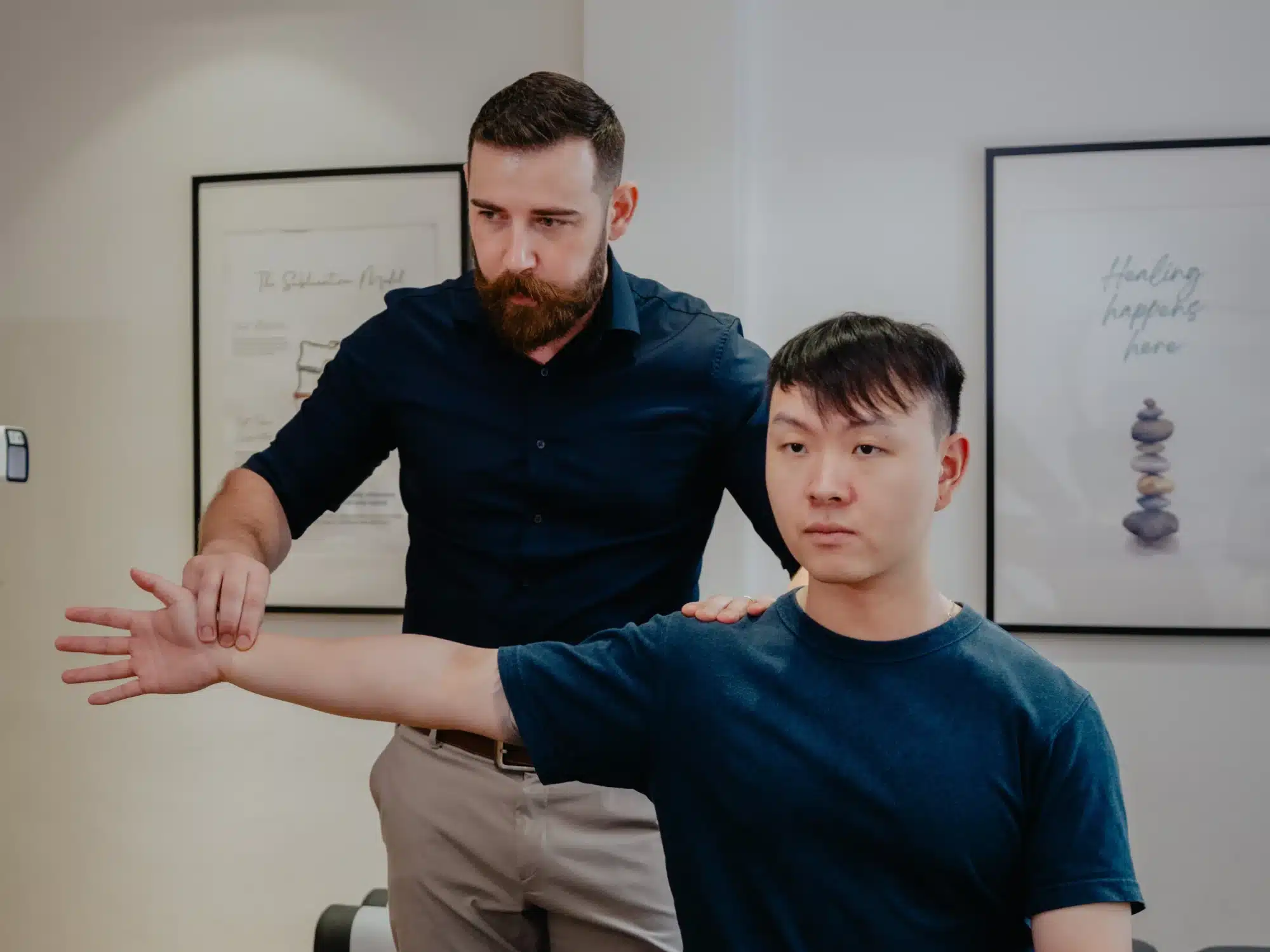
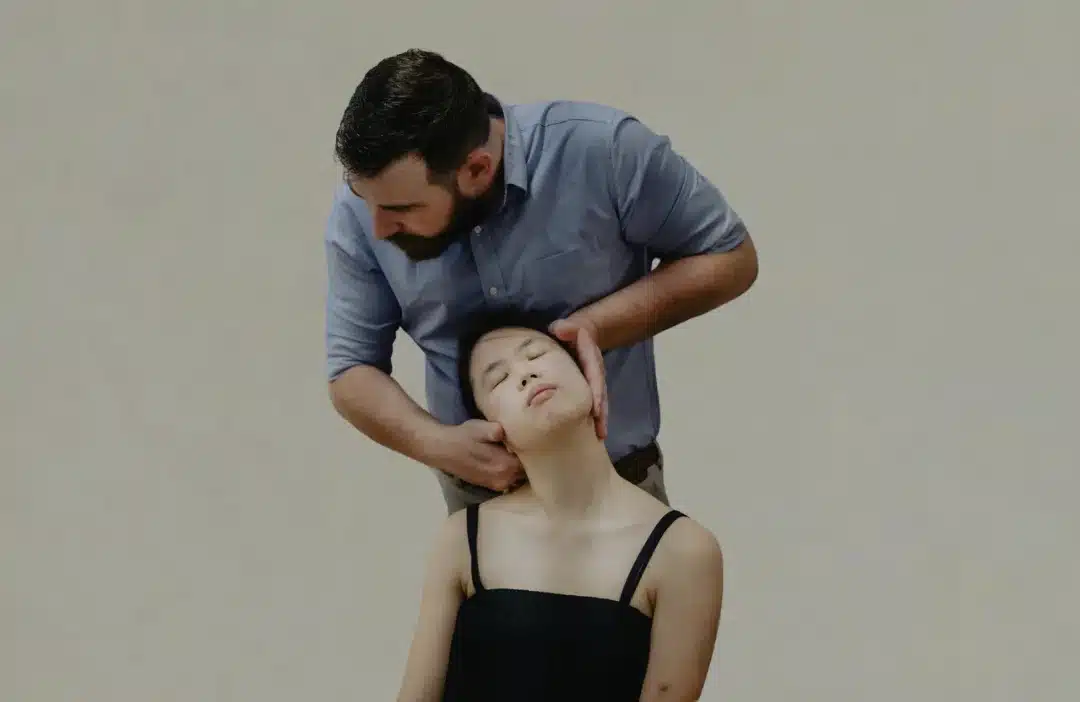
Common in swimmers and racquet sports, these often arise from postural imbalances. An adjustment can help restore cervical mobility and ensure the shoulder blade moves correctly, reducing the risk of impingement.
Timeline: 3 to 8 weeks.
Knee & Hip Injuries
Knee dysfunction is frequently a secondary symptom of underlying issues in the hip or spine. By addressing the lower limb mechanics and pelvic alignment, we correct muscle imbalances and improve joint stability.
Timeline: 4 to 10 weeks.
The Return-to-Sport Continuum (5-Stage Recovery Framework)
Recovering from an injury isn’t a binary switch between hurt and healthy. It is a progressive journey that requires careful monitoring of how the body handles increasing stress.
- Stage 1: Acute Recovery – Focus on managing pain and protecting the area. We use gentle adjustments to maintain some mobility without aggravating the site.
- Stage 2: Functional Rehabilitation – This is where we restore basic movement patterns. You’ll begin targeted recovery exercises to rebuild strength and flexibility.
- Stage 3: Sport-Specific Training – We prepare your body for the unique demands of your sport, whether that’s jumping, throwing, or sprinting.
- Stage 4: Progressive Reintegration – As you move from basic drills to full training, we check your spine regularly to prevent any recurring issues.
- Stage 5: Complete Return – You’re back at 100%. At this stage, care shifts to maintenance to keep you at that peak level.
Key Facts About Athletic Injuries Every Athlete Should Know
Understanding the why behind an injury can help you prevent the next one. Here are some truths that challenge traditional locker-room wisdom.
- High Load Isn’t Always the Problem: Your body is incredibly adaptable. Injuries often happen when there is a sudden spike in load or a lack of variability, rather than just working hard.
- Complete Rest Can Be Counterproductive: Total immobility can lead to muscle atrophy and stiff joints. Moving within your pain tolerance usually leads to better outcomes than staying in bed.
- Resilience Trumps Strength: You can be the strongest person in the gym and still get hurt if you lack stability or flexibility. A resilient body handles unexpected stresses without breaking.
- Early Intervention is Crucial: That niggle in your hip might be causing you to limp slightly, which then puts pressure on your opposite knee. Catching it early prevents a chain reaction of injuries.
- Proactive Care is Standard: Many of the world’s most famous sprinters and basketball players use chiropractic as a part of their weekly routine, not just when they are hurt.
Chiropractic Care for Different Sports
Every sport places a unique set of demands on the human frame. A runner needs shock absorption, while a swimmer needs incredible shoulder rotation.
| Sport Category | Common Issues | Chiropractic Focus |
|---|---|---|
| High-Impact (Running, BBall) | Lower back, knees, ankles | Shock absorption & pelvic alignment |
| Overhead (Swimming, Tennis) | Shoulders, neck | Thoracic mobility & rotator cuff support |
| Repetitive (Golf, Cycling) | Lower back, elbows | Postural balance & rotational mechanics |
| Contact (Rugby, Martial Arts) | Whiplash, impact trauma | Spinal stability & recovery |
FAQ: Athletes and Chiropractic Care
Can chiropractic care improve athletic performance?
By ensuring the nervous system is free of interference, athletes often see improvements in reaction time, balance, and power.
How often should athletes get adjusted?
It varies. During heavy training blocks, once a week might be beneficial. For general maintenance, once or twice a month is common.
Is it safe for competitive athletes?
Yes, it is a non-invasive, drug-free approach. Adjustments are tailored to the athlete’s specific size, sport, and injury history.
What is the difference between chiropractic and physical therapy?
While they overlap, chiropractors focus heavily on the relationship between the spine and the nervous system, whereas physical therapy often focuses on muscle strengthening and specific rehabilitation exercises. They work best when used together.
Building Your Athletic Care Team
No single practitioner has all the answers. The most successful athletes build a circle of care that includes various specialists. We believe in a collaborative approach, working alongside:
- Physical Therapists for strength and rehab.
- Massage Therapists for soft tissue recovery.
- Coaches to adjust training loads based on your body’s feedback.
If you are ready to see how athletes and chiropractic care can work for you, we are here to help. Whether you want to shave seconds off your PB or just play your weekend matches without pain, our team can help you build a more resilient body.
Ready to optimise your performance? Book a consultation with us today to identify your risk factors and start a personalised plan.



 Simple, no-pressure, and already trusted by Singaporeans.