
Waking up refreshed and pain-free starts with how you sleep. Your sleeping position plays a significant role in your spinal health and overall well-being. Poor posture while sleeping can lead to aches, pains, and long-term postural issues. This article explores the best sleeping position for spinal health, alternatives if you can’t sleep in that position, and tips on how to optimise your sleep to prevent pain.
Why does your sleep position matter?
Your body uses sleep as a time for recovery, and your spine should remain in a natural, neutral alignment to aid this process. When your spine is properly aligned, the muscles around it can relax, allowing for optimal rest. However, if your spine is twisted or bent in an awkward position, it can place unnecessary stress on muscles, ligaments, and nerves, leading to stiffness, discomfort, and even chronic pain.
Sleep posture doesn’t just affect your spine. The position in which you sleep can impact your hips, shoulders, and joints. For those with existing pain or musculoskeletal issues, the wrong sleeping position may worsen symptoms and delay recovery.
What is the best sleeping position?
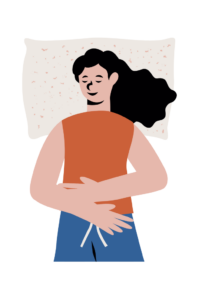 The optimal sleeping position for spinal health is lying on your back. This posture allows your head, neck, and spine to rest in a natural alignment, reducing pressure on your joints and muscles. By distributing your body weight evenly across the mattress, back sleeping ensures that no part of your body is bearing excessive strain, which helps prevent pain and discomfort. Additionally, back sleeping can reduce acid reflux and improve breathing for those with respiratory issues.
What if I can’t sleep on my back?
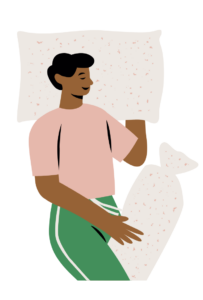 Some people find it difficult to maintain a back-sleeping posture throughout the night. In these cases, side sleeping can be a suitable alternative. To prevent strain on your hips and lower back, place a pillow between your knees to keep your spine straight. This simple adjustment can improve alignment and relieve pressure points. However, avoid stomach sleeping. This position forces your neck to twist unnaturally, which can lead to neck and upper back pain. It also flattens the natural curve of your spine, increasing the risk of discomfort and posture issues over time.
Optimising alternative sleeping positions
- Side sleeping: Ideal if you use a pillow between your knees to keep your hips aligned. Make sure your pillow supports your head and neck.
- Semi-fetal position: A slightly curled posture with a pillow between your knees helps maintain a neutral spine while being more comfortable for some.
- Reclined sleeping: In certain conditions, such as spinal stenosis or lower back pain, sleeping in a reclined position may relieve pressure on the spine. Adjustable beds or using pillows to elevate your upper body can be helpful.
Shoulder pain after waking up and more?

If you frequently wake up with shoulder pain, neck stiffness, or back discomfort, your sleeping posture might be to blame. Shoulder pain is common among side sleepers who don’t distribute their weight evenly or use an unsupportive mattress. Your shoulder bears the brunt of your body weight, which can lead to soreness, numbness, or even restricted movement.
Similarly, neck pain can occur if your pillow is too high or too low, pushing your neck out of alignment with the rest of your spine. Back sleepers might suffer from lower back pain if their mattress doesn’t provide enough support, causing the lumbar spine to sag.
Each type of pain you experience upon waking can provide clues about your sleeping posture and environment:
- Neck pain: A pillow that’s too firm or too soft can strain your neck.
- Shoulder pain: This may signal too much pressure on one side due to poor alignment.
- Lower back pain: Often caused by poor mattress support or an unsupportive sleep position.
If you’re experiencing recurring pain upon waking, it’s essential to evaluate your sleeping position and the quality of your sleep accessories like mattresses and pillows.

Common posture problems caused by poor sleeping posture
Chronic poor sleeping posture can lead to lasting postural issues that go beyond morning discomfort. Some of the most common issues include:
- Forward head posture: Sleeping with your head pushed forward, especially with too many pillows, can lead to chronic neck pain and headaches due to the unnatural position of the neck.
- Rounded shoulders: A curled sleeping posture, like the fetal position, can cause your shoulders to round over time, leading to poor posture during the day and tension in the upper back and neck.
- Lower back misalignment: Sleeping in a twisted or unsupported position, especially on an overly soft or sagging mattress, can disrupt the natural curvature of the spine, causing lower back pain.
Is sleeping without a pillow recommended?
 While some believe that sleeping without a pillow can promote better spine alignment, it’s not a one-size-fits-all solution. In most cases, using an ergonomic pillow that supports your neck’s natural curve is crucial for maintaining a neutral spine during sleep.
For side sleepers, a thicker pillow is essential to fill the gap between your head and the mattress, keeping your neck and spine aligned. Back sleepers should use a thinner pillow to avoid pushing their head too far forward, which can strain the neck. On the other hand, stomach sleepers may benefit from using no pillow or a very thin one to reduce neck strain, though sleeping on your stomach is generally not recommended for spinal health.
Chiropractor for posture

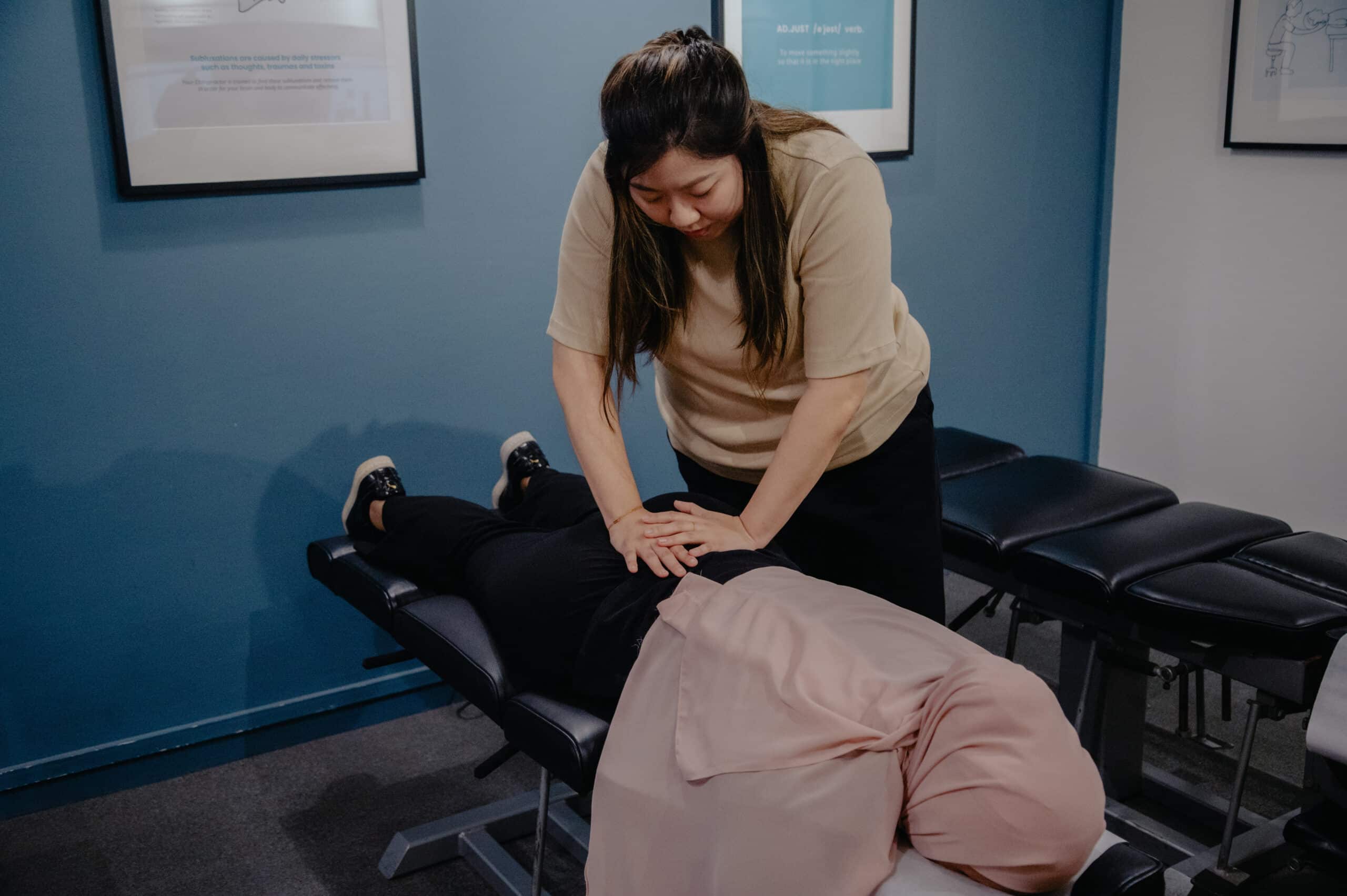
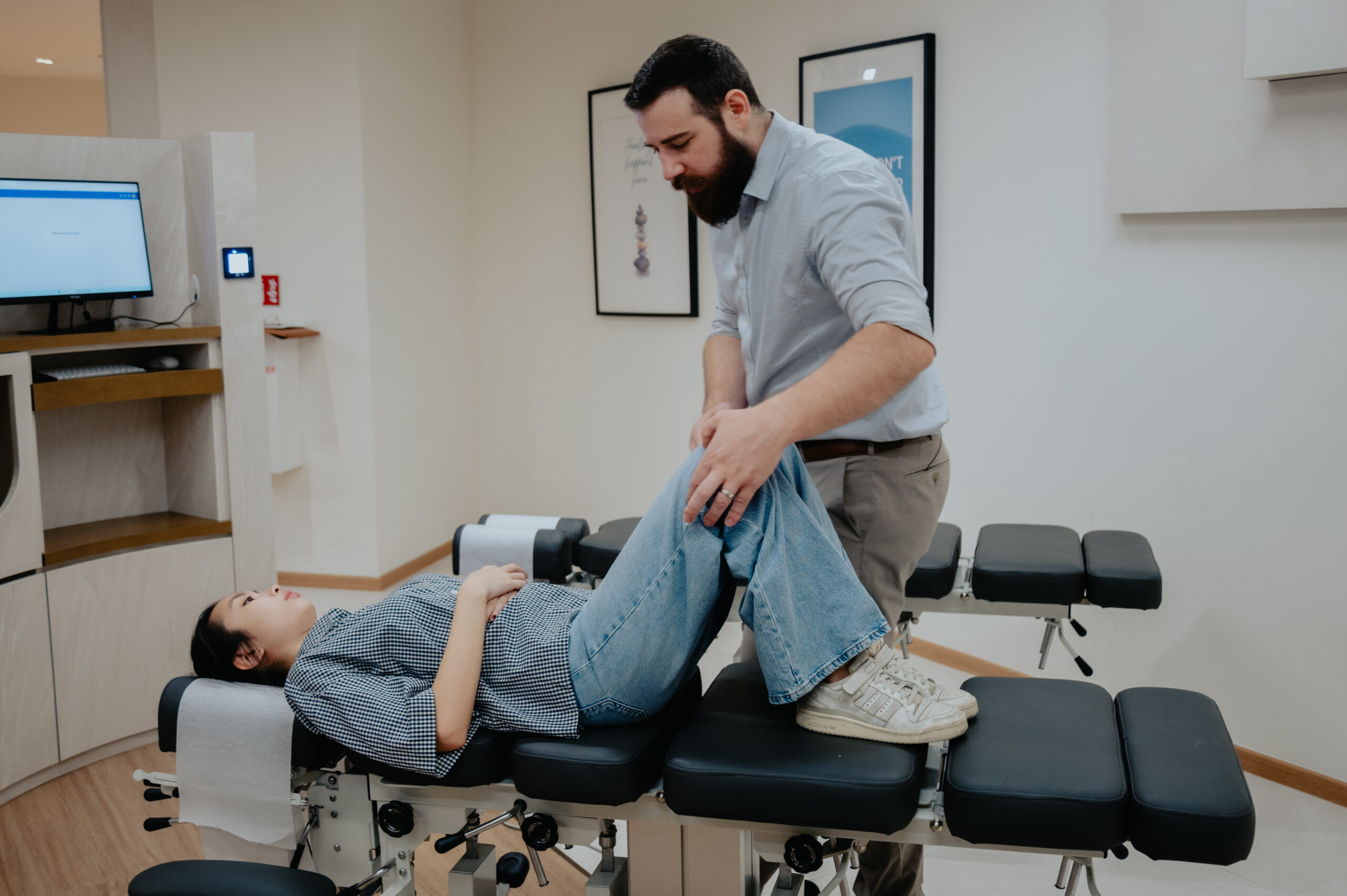
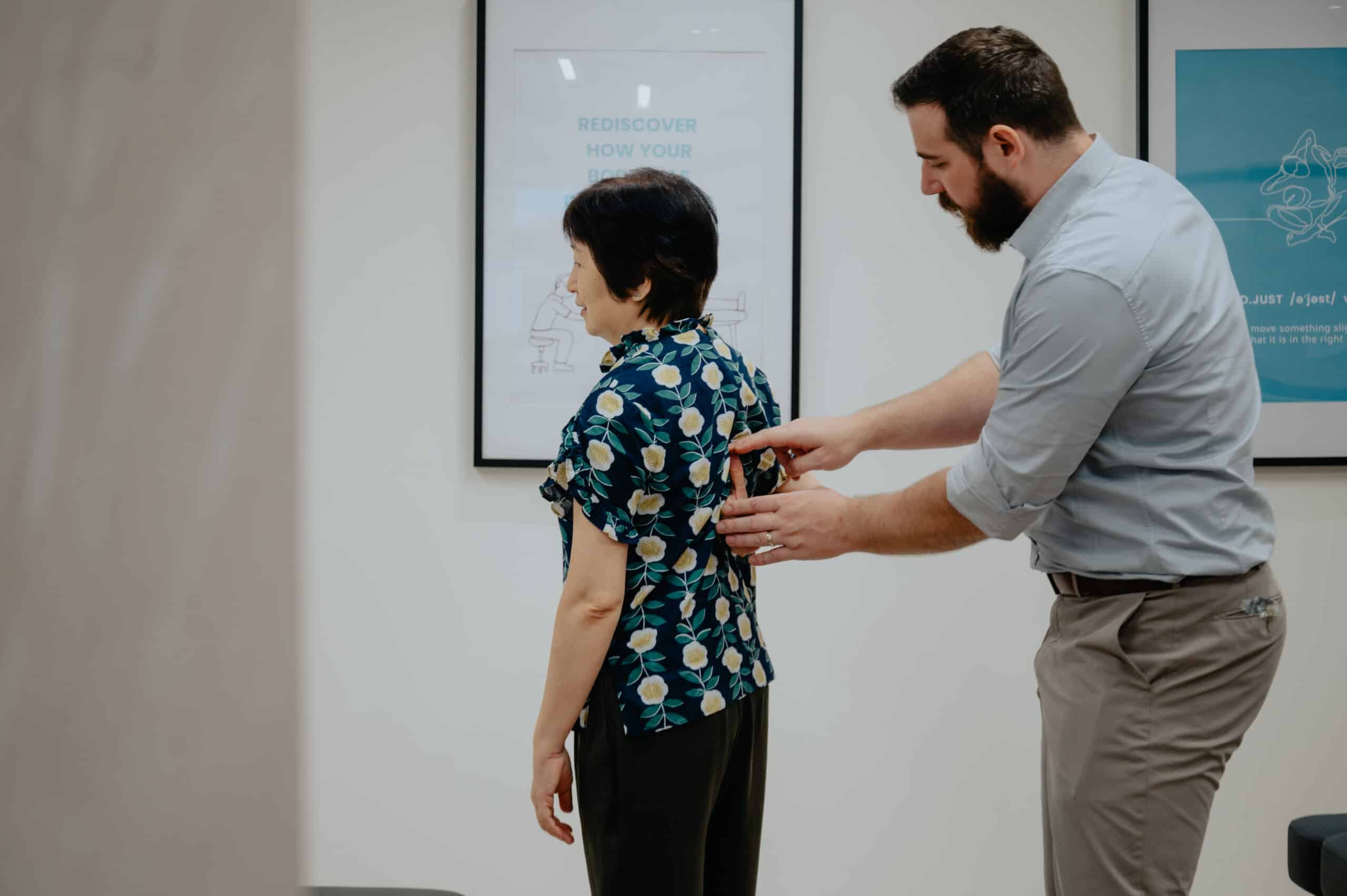
Visiting a chiropractor is one of the most effective ways to address and correct posture issues caused by poor sleeping habits. Chiropractors can perform spinal adjustments to realign your spine and relieve tension in muscles and joints. They can also provide tailored advice on the best sleeping positions and accessories, such as pillows or mattresses, to suit your specific needs.
By combining chiropractic care with good sleep hygiene, you can ensure that your body is supported and well-aligned, both during the night and throughout the day.
The way you sleep has a direct impact on your spine and overall health. Sleeping on your back is the best sleeping position for your spine, but side sleeping is a good alternative for those who find back sleeping uncomfortable. Using ergonomic pillows and a supportive mattress can help ensure that your body is aligned, preventing pain and posture-related issues. If you’re still waking up with pain, consulting with a chiropractor is an excellent way to address underlying issues and achieve long-term relief.
FAQ
What is the best mattress for back pain in Singapore?
For back pain sufferers, a medium-firm mattress provides the best support. It helps maintain spinal alignment while offering enough cushioning for pressure relief. Memory foam and latex mattresses are popular options for back pain as they contour to the body while providing consistent support.
What is the best pillow for neck pain in Singapore?
An ergonomic pillow, designed to cradle the natural curve of your neck, is best for neck pain. Memory foam pillows are highly recommended as they adjust to the shape of your head and neck, offering personalised support.
Are coil mattresses bad for you?
Coil mattresses aren’t inherently bad, but older or low-quality coil mattresses can lose their shape over time, leading to sagging that misaligns your spine. Opt for high-quality or hybrid mattresses that combine coils with foam layers for both support and comfort.