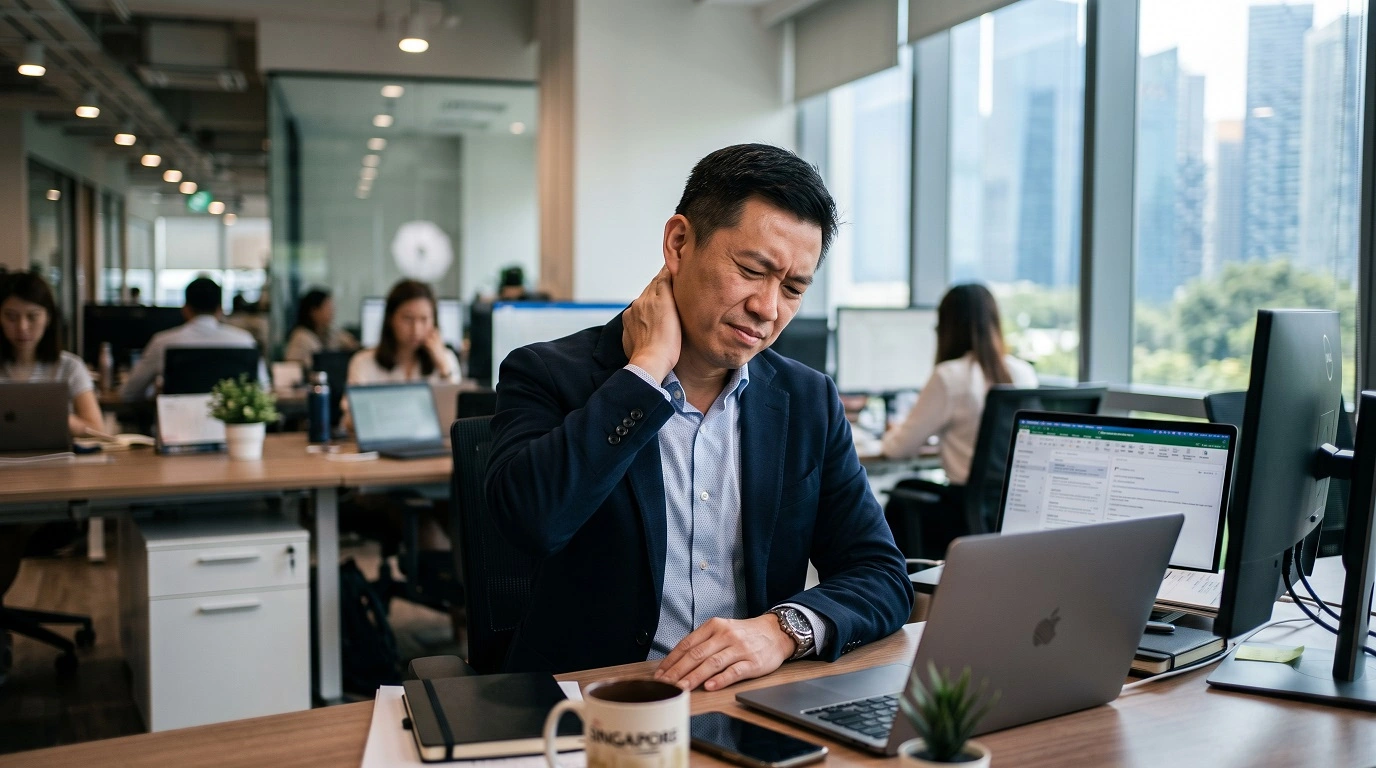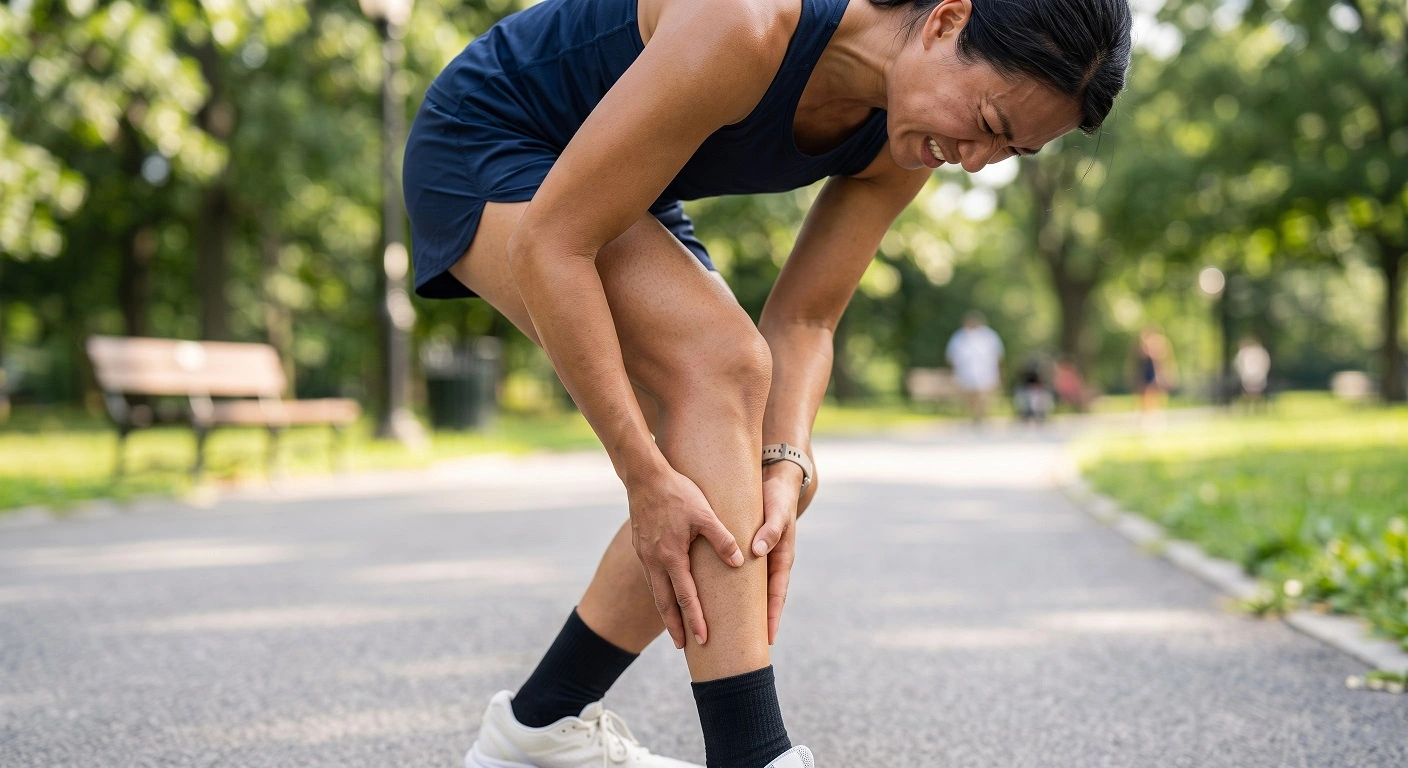
Living with scoliosis can make everyday movement feel different, sometimes harder, sometimes restricted, and occasionally uncomfortable. While everyone’s experience with scoliosis is unique, many people look for gentle, movement-based approaches that help them build awareness, stability, and strength. One option that people frequently explore is pilates for scoliosis.
Pilates is known for its emphasis on controlled movement, breathwork, flexibility, and core stability, qualities that can be helpful for people who want to move with more ease and confidence. Although pilates does not treat or reverse scoliosis, it may support overall wellbeing by improving body awareness, enhancing mobility, and helping individuals feel stronger in their daily routines.
What is pilates and why is it popular?
Pilates focuses on mindful, controlled movements that strengthen the deep stabilising muscles of the core, hips, and back. Because pilates highlights precision and awareness, it has become a favourite among people of all ages, from beginners to professional athletes.
Key principles of pilates
Pilates is built on core principles that guide every movement, making the practice effective and safe for all levels, including those with scoliosis or physical limitations.
✅ Breath in pilates – Coordinated breathing supports the core, improves oxygen flow, and enhances focus.
✅ Control in pilates – Mindful, deliberate movement strengthens muscles safely.
✅ Concentration in pilates – Awareness of alignment ensures proper muscle engagement and posture.
✅ Precision in pilates – Quality over quantity maximises benefits and improves neuromuscular coordination.
✅ Flow in pilates – Smooth, connected movements enhance balance, flexibility, and rhythm.
These principles make pilates adaptable and accessible, whether you are a beginner or managing spinal differences.
What is pilates good for when it comes to spine care?
Pilates is often recommended as a complementary movement approach because it promotes body awareness, strength, and mobility, all of which are essential for maintaining a healthy spine. By focusing on controlled movements, alignment, and core engagement, pilates can help support the spine in everyday activities and improve overall posture and stability.
While pilates is not a treatment for scoliosis or any spinal condition, many people find it useful for general spinal wellbeing, improving functional movement, and preventing stiffness or imbalances.
Advantages of pilates for spine care
| Pilates Benefits | How it supports the spine |
|---|---|
| Pilates for Core control | Strengthens deep stabilising muscles around the spine and pelvis |
| Pilates for Improved movement patterns | Encourages mindful, balanced motion |
| Pilates for Stability and balance | Enhances body awareness and coordination |
| Pilates for Flexibility around hips, ribcage, and shoulders | Gently mobilises tight areas that affect spinal posture |
| Pilates for Postural awareness | Teaches conscious alignment during exercises |
By practising pilates regularly, individuals may notice that movements feel easier, posture feels more aligned, and the spine feels supported during everyday activities.
How can pilates support people with scoliosis?
Scoliosis involves a sideways curvature of the spine that may also rotate. Depending on the degree and type of curve, some individuals experience muscle imbalances, reduced mobility, or uneven loading on different parts of the body. Pilates for scoliosis emphasises mindful alignment and controlled strengthening, which may help someone feel more stable or balanced in their daily movements.
Advantages of pilates for scoliosis
People living with scoliosis often experience subtle or noticeable differences in how their bodies move. These can include asymmetrical muscle tension, uneven posture, or limited mobility in certain areas of the spine. While outcomes from pilates vary from person to person, many find that it helps them engage with their bodies in a more conscious and supportive way.
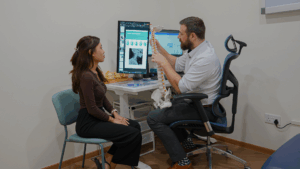
Some commonly discussed benefits include:
- Improved body awareness – Pilates helps you notice posture habits and asymmetries, allowing you to adjust your movements in daily life, whether sitting, standing, or walking.
- Gentle mobilisation – Controlled stretches and movements support more fluid spinal and joint motion, helping reduce stiffness and improve overall flexibility.
- Core strengthening – Strengthening deep abdominal and back muscles can enhance stability during daily tasks such as lifting, reaching, or even standing for long periods.
- Balanced muscle engagement – Exercises target both sides of the body, reducing over-reliance on one side and promoting more symmetrical movement patterns.
These are general wellbeing benefits and not medical claims. Pilates can be adapted to suit a range of needs, and many individuals with scoliosis appreciate how personalised the practice can be.
What can you expect in a pilates class for beginners?
If you are completely new to pilates, especially pilates for scoliosis, you might wonder what your first session will feel like.
A typical pilates class for beginners may include:
- Gentle warm-ups to prepare the spine
- Guided breathing techniques
- Slow, controlled movements focused on alignment
- Light resistance work (mat or reformer)
- Stretching to unwind tight areas
Beginners are encouraged to move at their own pace, rest when needed, and focus on the quality — not intensity — of each movement.
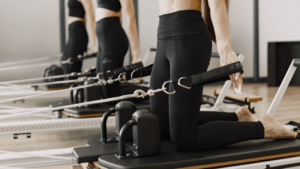
What pilates instructors often focus on
Instructors guiding someone with scoliosis typically pay extra attention to:
- Neutral spine awareness
- Balanced muscle engagement
- Avoiding strain at the neck or lower back
- Exercises that stabilise without forcing symmetry
This supports a safe and comfortable experience.
What safety tips should you know before starting pilates for scoliosis?
Safety is essential, especially when dealing with uneven spinal loading or muscular imbalances.
Helpful guidelines for people with scoliosis
- Move slowly and avoid forcing ranges of motion.
- Inform your instructor about your curve pattern so they can tailor the session.
- Avoid exercises that cause pain or discomfort.
- Start with beginner classes before progressing to more advanced movements.
- Focus on control rather than intensity.
Consistency and mindful movement are more important than pushing through difficulty.
Why professional guidance matters
Working with a qualified pilates instructor, especially one familiar with scoliosis — is essential. They can help modify exercises, avoid positions that may overload certain areas, and recommend movements that support comfort and alignment. A tailored approach is especially important for those new to pilates or living with spinal differences.
What should you know about pilates reformer sessions?
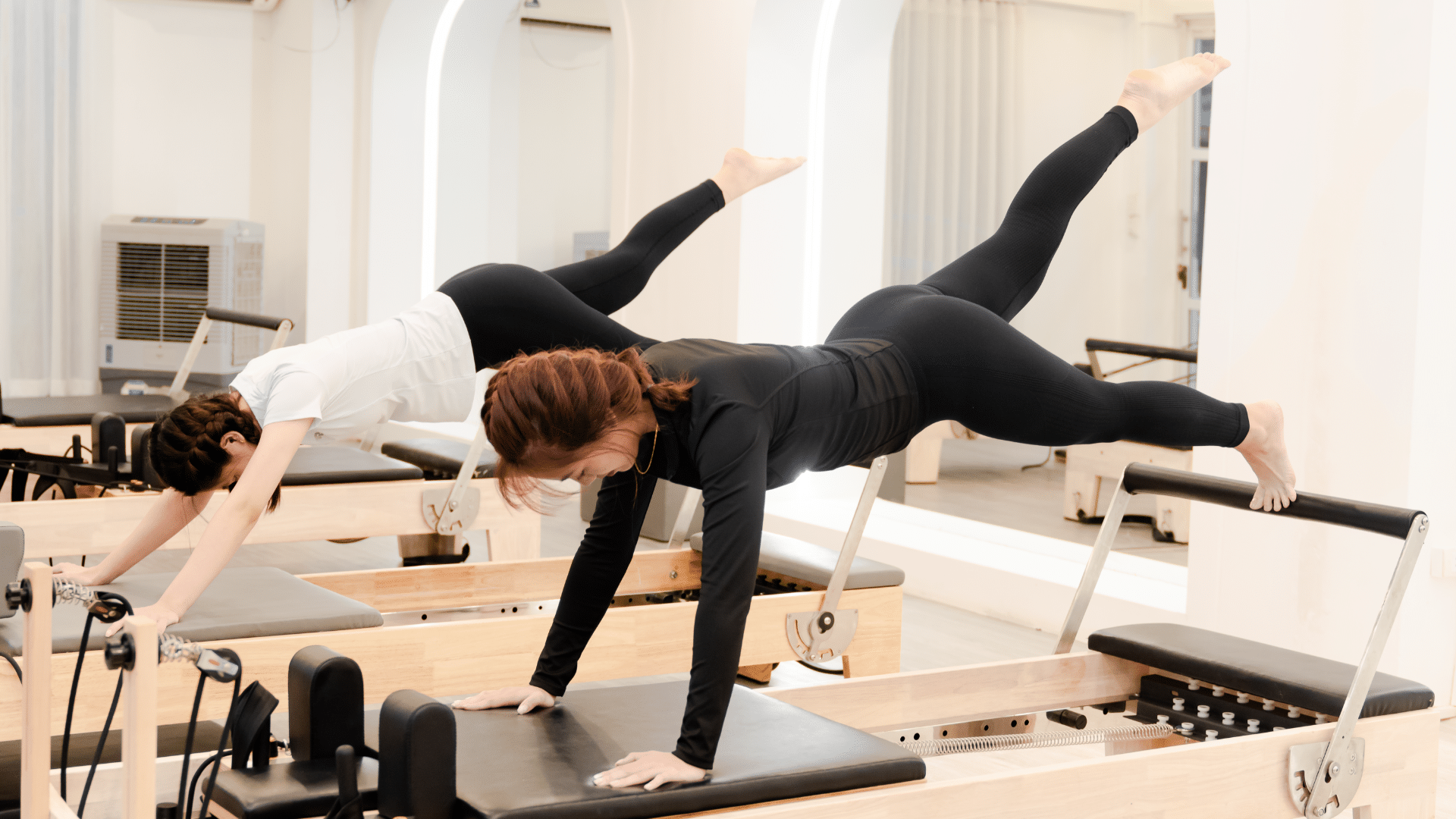
The pilates reformer is one of the most iconic pieces of pilates equipment. Although it may look intimidating at first, the reformer is designed to make movement controlled, precise, and supported.
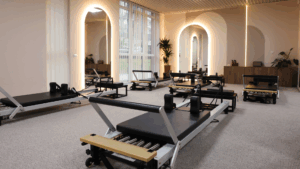
How the reformer works
The reformer uses:
- A gliding platform
- Adjustable springs for resistance
- Straps and foot bars to guide movement
- A frame structure that helps with alignment
Because resistance can be increased or decreased, reformer pilates is suitable for beginners and experienced practitioners alike.
Why some people with scoliosis prefer pilates reformer
Reformer sessions may help individuals feel supported as they work on stability, alignment, and gentle strengthening. The structured design of the equipment allows instructors to fine-tune movements so each exercise becomes more targeted and controlled.
Is pilates different from yoga?
Many people compare pilates vs yoga because both involve mindful movement, breath awareness, and improved body control. While they share similarities, these practices have distinct goals and approaches.
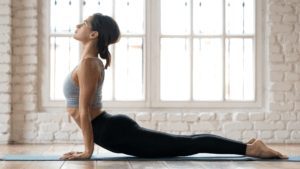
Pilates vs yoga: key distinctions
- Pilates – emphasises core stability, controlled strength, and precise alignment for balanced, functional movement.
- Yoga – focuses on flexibility, breath, and mind-body connection through flowing or static poses.
- Equipment use – Pilates often incorporates tools like the reformer for guided resistance, while yoga is primarily mat-based.
- Movement style – Pilates exercises are structured and repetitive, promoting control and precision; yoga can be more meditative, focusing on stretching and relaxation.
Both pilates and yoga can enhance posture, mobility, and body awareness. The best choice depends on your personal goals, comfort level, and movement preferences.
How pilates for scoliosis is complemented with chiropractic care
While pilates for scoliosis helps improve core strength, posture awareness, and gentle spinal mobility, pairing it with chiropractic care can provide a more holistic approach to supporting your spine and overall movement.
Chiropractic care focuses on assessing spinal alignment, joint mobility, and posture habits. This professional insight can complement your pilates practice by:
✅ Understanding your spine – helping you see how your spine moves and where tension may occur
✅Identifying imbalances – pinpointing areas of restricted movement or uneven load
✅Safe movement guidance – providing advice on supportive and controlled motions
✅Personalised recommendations – enhancing the effectiveness of your pilates routine
✅Long-term spinal comfort – supporting ongoing mobility and wellbeing alongside regular practice
Together, pilates and chiropractic care can form a balanced approach to building strength, maintaining mobility, and improving body awareness, all without making claims to treat, cure, or reverse scoliosis.
Discover how we support people with scoliosis to live pain-free — or watch a patient’s inspiring journey from painful walks to dancing again.
Book your appointment with Chiropractic Singapore
If you are practising pilates for scoliosis or considering starting, our chiropractic team at Chiropractic Singapore can guide you through a personalised assessment and provide professional recommendations to complement your routine.
Book your appointment with Chiropractic Singapore today and take the next step toward a holistic approach to spinal wellbeing.
Frequently asked questions about Pilates
1. Is pilates safe?
Pilates is generally considered a safe, low-impact exercise suitable for people of all ages. For those with scoliosis or other spinal conditions, working with a trained instructor and consulting a healthcare professional before starting any new routine is recommended.
2. Is pilates for beginners suitable if I’m stiff?
Yes — pilates is designed to be adaptable. Movements can be modified to accommodate stiffness, mobility limits, or beginner fitness levels.
3. Does pilates help lose weight?
Pilates is primarily a strengthening and mobility practice. While it can support overall fitness, weight changes vary by individual and depend on many lifestyle factors, not pilates alone.
4. Is pilates strength training?
Pilates can build strength through controlled, resistance-based movements, especially when using equipment like the reformer. However, it is generally considered a low-impact, body-conditioning method rather than traditional strength training.
5. Can pilates improve posture?
Pilates encourages awareness of alignment and may help individuals build strength that supports upright posture. Individual experiences differ.
6. How often should you do pilates for scoliosis?
Frequency depends on comfort, fitness level, and scheduling. Some people start with 1–2 sessions per week and adjust based on how they feel.
7. Should I choose mat pilates or reformer pilates for scoliosis?
Both can be appropriate. Reformer pilates offers more guided support and resistance, while mat pilates focuses on bodyweight control. Many people try both and see what feels more comfortable.
8. What to wear to pilates?
Comfortable, breathable, fitted clothing is recommended so instructors can observe alignment. Grip socks are often useful in reformer pilates classes.