
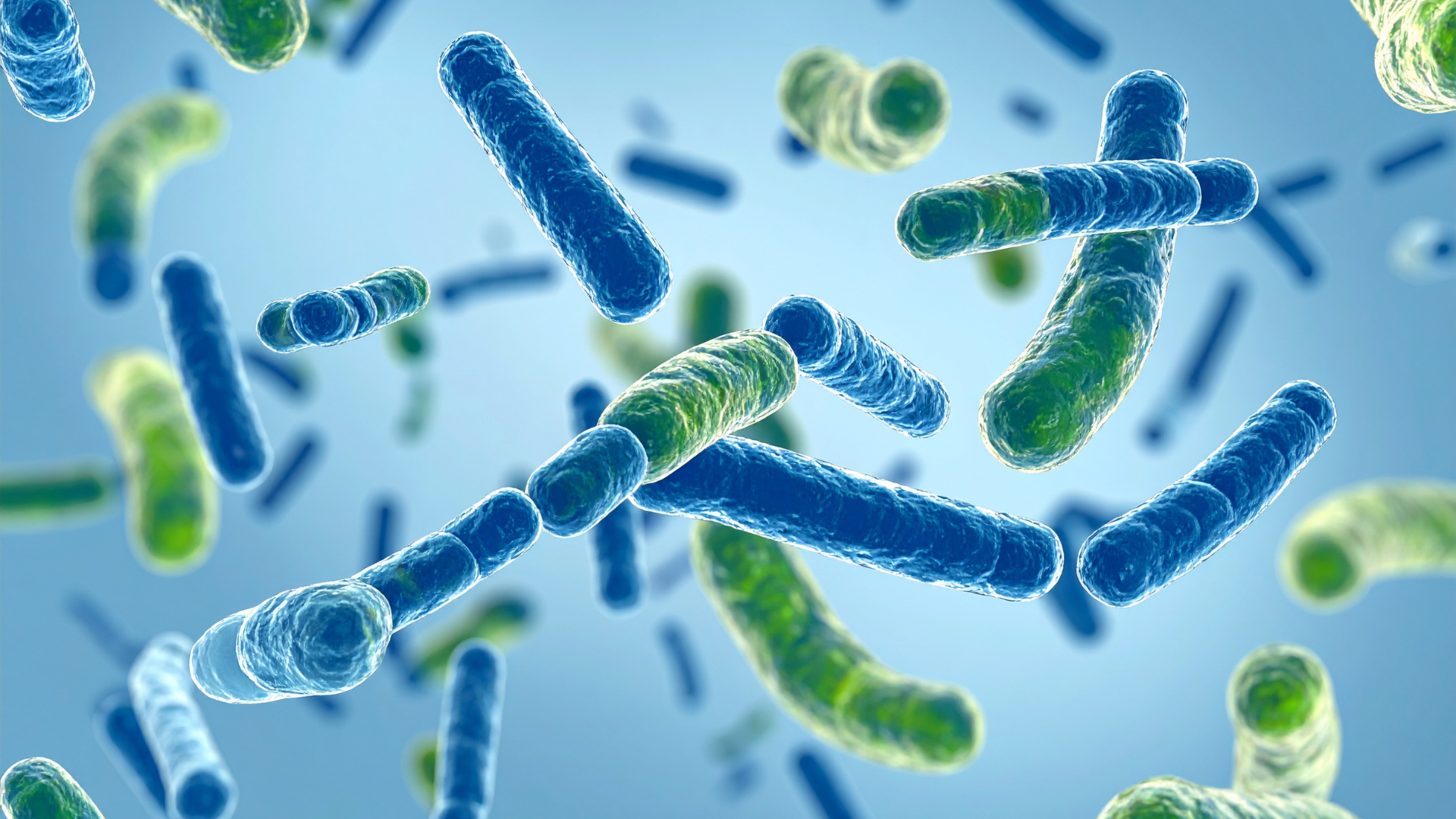
A healthy gut is central to overall wellness, influencing everything from digestion and nutrient absorption to immunity and energy levels. Probiotics or the “good bacteria” that help maintain a balanced gut microbiome, have become an essential tool for supporting digestive health. They can reduce bloating, improve bowel regularity, enhance immunity, and even influence mood and energy through the gut-brain connection. We’ll also explore how chiropractic care complements probiotics by supporting spinal and nervous system health, which in turn optimises gut function and addresses the root causes of digestive issues.
What are probiotics and why they matter for gut health
Probiotics are live microorganisms that help maintain a healthy balance in your gut microbiome. This balance is essential for digestion, nutrient absorption, immune function, and overall wellbeing.
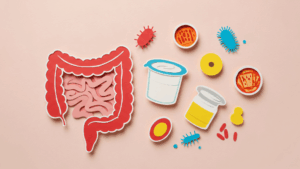
These beneficial bacteria come in various strains, each offering unique support for digestion, immunity, and overall gut health.
Lactobacillus probiotic for digestion support
Lactobacillus helps break down lactose in dairy, making it easier to digest. It also produces lactic acid, which lowers gut pH and creates an environment where beneficial bacteria thrive. Regular intake supports overall digestive comfort and may reduce bloating and discomfort after meals.
Bifidobacterium probiotic for Gut barrier protection
Bifidobacterium strengthens the gut lining and helps prevent harmful bacteria from entering the bloodstream. It reduces inflammation in the digestive tract, supports nutrient absorption, and contributes to a balanced gut microbiome. This strain is particularly useful for maintaining long-term digestive health and immunity.
Saccharomyces boulardii probiotic for Diarrhea relief aid
Saccharomyces boulardii is a yeast-based probiotic that may help reduce the duration and severity of diarrhoea, including antibiotic-associated diarrhoea. It restores balance in the gut microbiome, promotes the growth of beneficial bacteria, and supports overall gut comfort.
Multi-strain probiotic supplements for broad gut support
Multi-strain probiotics combine several bacterial strains to provide comprehensive support for your digestive system and overall wellness. They promote gut flora diversity, support digestion, immunity, and bowel regularity, and can target specific health goals such as constipation relief or gut recovery.
Maintaining a balanced gut microbiome is essential for your body to function optimally, ensuring you get the benefits of probiotics for digestion, immunity, and overall wellbeing.
Prebiotic vs probiotic — what’s the difference?
Understanding the difference between probiotics and prebiotics is essential for supporting a healthy gut. While probiotics introduce beneficial live bacteria into your system, prebiotics act as nourishment for these bacteria, helping them grow, thrive, and maintain balance in your gut microbiome. Taking both together can provide more comprehensive gut support, improving digestion, bowel regularity, and overall microbiome diversity.
Prebiotics vs probiotics at a glance
| Feature | Probiotics | Prebiotics |
|---|---|---|
| What they are | Live beneficial bacteria | Non-digestible fibres that feed good bacteria |
| Primary role | Restore and balance gut microbiome | Promote growth of existing healthy bacteria |
| Common sources | Yoghurt, kefir, kombucha, probiotic supplements | Bananas, oats, onions, garlic, asparagus, fibre supplements |
| How they help | Support digestion, immunity, and gut comfort | Enhance probiotic effectiveness, improve bowel regularity |
| Best taken | Daily through foods or supplements | With meals as part of a fibre-rich diet |
| Ideal for | Those with digestive discomfort, bloating, diarrhoea, or after antibiotics | Anyone wanting long-term gut health and microbiome stability |
Together, prebiotics and probiotics form a powerful combination — often called synbiotics — giving your gut the support it needs to function at its best.
How probiotics support gut health
Supporting your gut with probiotics is the first step to better digestion, stronger immunity, and overall wellbeing.

Benefits of probiotics in digestive system
Probiotics play a key role in keeping your digestive system balanced and comfortable. Regular intake can:
✅ Reduce bloating, gas, and digestive discomfort
✅ Promote smoother and more regular bowel movements
✅ Enhance nutrient absorption for better overall health
By improving your gut environment, probiotics help your body get the most out of the food you eat.
Benefits of probiotics beyond digestion
The advantages of probiotics extend far beyond your digestive system. Consistent use can:
✅ Support a stronger and more responsive immune system
✅ Help maintain overall wellness and energy levels
✅ Positively influence mood and mental clarity through the gut-brain connection
When taken consistently, probiotics not only support gut health but also enhance your overall quality of life, making them an essential part of a holistic wellness routine.
Different types of probiotics and its common sources

Each probiotic strain offers unique benefits, so understanding the different types can help you choose the right one for your gut health goals.
| Type of probiotic | Common source of probiotic | Primary benefit of probiotic |
|---|---|---|
| Lactobacillus probiotics | Yoghurt, kefir, fermented foods | Helps break down lactose for easier digestion, supports healthy gut flora, reduces bloating, and promotes smooth bowel movements. |
| Bifidobacterium probiotics | Fermented foods, supplements | Strengthens the gut barrier, reduces inflammation, supports immune function, and helps maintain long-term digestive balance. |
| Saccharomyces boulardii probiotics | Supplements, probiotic drinks | Yeast-based probiotic that restores gut microbiome balance, reduces the severity and duration of diarrhoea, and improves overall digestive comfort. |
| Multi-strain supplements probiotics | Capsules, powders, fortified foods | Combines multiple strains for broad-spectrum gut support, targeting digestion, immunity, and specific health goals such as constipation relief or gut flora restoration. |
Understanding the different types of probiotics and their sources allows you to make informed choices, helping you support your digestion, immunity, and overall wellbeing more effectively.
Probiotics for specific digestive issues
Probiotics can help address a variety of digestive issues by restoring balance to your gut microbiome. Different strains target specific concerns, from diarrhoea and constipation to bloating and indigestion, supporting overall digestive comfort and wellbeing.

Probiotics for Diarrhea
Certain probiotics, such as Saccharomyces boulardii and Lactobacillus, may help reduce the severity and duration of diarrhoea, including antibiotic-associated diarrhoea and traveller’s diarrhoea. They work by restoring balance to the gut microbiome, suppressing harmful bacteria, and supporting healthy digestive function.
Probiotics for Constipation
Probiotic strains like Bifidobacterium and Lactobacillus can improve bowel regularity, soften stools, and ease discomfort. Their effectiveness is enhanced when combined with a fibre-rich diet, adequate hydration, and lifestyle habits that promote healthy gut motility.
Probiotics for Irritable bowel syndrome (IBS)
Some probiotics may help alleviate symptoms of IBS, including bloating, abdominal pain, and irregular bowel movements. Multi-strain probiotics or targeted strains can help restore gut flora balance, reduce inflammation, and support overall digestive comfort.
Probiotics for Bloating and gas
Certain probiotics can help break down food more efficiently, reducing fermentation that leads to excess gas and bloating. Strains such as Lactobacillus plantarum may be particularly beneficial for managing post-meal discomfort.
Probiotics for Acid reflux and indigestion
While probiotics are not a cure for acid reflux, a balanced gut microbiome can improve digestive function and support stomach comfort. Some strains may help regulate stomach acid and support the breakdown of nutrients, reducing indigestion and discomfort.
By targeting these specific digestive issues, probiotics help restore balance to the gut microbiome, improve nutrient absorption, and enhance overall digestive health.
Choosing the best probiotics in Singapore and where to get them
When selecting probiotics, it’s important to consider several key factors to ensure you get the most benefit for your gut health:
- Strain specificity – Different probiotic strains offer different benefits. For example, Lactobacillus may aid digestion and reduce bloating, while Bifidobacterium can support bowel regularity and gut barrier health. Choosing the right strain helps target your specific digestive concerns.
- CFU count – This refers to the number of live bacteria in each serving. A sufficient CFU count, usually ranging from 1–10 billion per day for general gut support, ensures the probiotics can colonise the gut effectively.
- Format – Probiotics are available in capsules, powders, or drinks. Choose the format that fits your lifestyle, whether you prefer convenient supplements, fermented drinks, or probiotic-rich foods.
In Singapore, there are several trusted options to consider. Popular probiotic supplements include Culturelle, BioGaia, and Blackmores Probiotics, while probiotic drinks like Yakult provide a convenient way to introduce beneficial bacteria into your diet. When in doubt, consult a healthcare professional to select a product tailored to your digestive needs.
When to take probiotics to increase effectiveness
Taking probiotics correctly can maximise their benefits for your digestive health. Consider the following tips:
- With meals – Consuming probiotics alongside food can help more bacteria survive stomach acid, improving their ability to reach the gut and colonise effectively.
- Daily intake – Regular consumption is essential for building and maintaining a stable gut microbiome, allowing beneficial bacteria to establish themselves and support long-term digestive health.
- Supplements vs food – Probiotic supplements often provide targeted strains in higher concentrations, ideal for addressing specific digestive issues. Fermented foods and drinks, on the other hand, offer a natural variety of strains, promoting overall gut diversity.
Consistency is key. Whether through foods, drinks, or supplements, taking probiotics regularly helps maintain gut balance, supports digestion, and enhances immunity over time.
Beyond probiotics: why taking care of your nervous system and spine helps digestion
While taking probiotics is excellent for supporting your gut, it’s important to remember that digestive health isn’t just about the bacteria in your gut. Taking care of your nervous system and spine is equally crucial because it addresses the root causes of digestive issues.
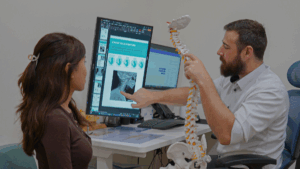
Your digestive system is closely regulated by the nervous system, particularly the nerves that run through your spine. These nerves control gut motility, enzyme secretion, and communication between your gut and brain, commonly known as the gut-brain axis.
When your spine or nervous system is misaligned or under stress, nerve signals to your digestive organs may be disrupted. This can lead to:
- Slower digestion and nutrient absorption
- Bloating, constipation, or irregular bowel movements
- Reduced effectiveness of your gut microbiome, including the probiotics you take
How chiropractic care supports gut health
Maintaining spinal and nerve health ensures these pathways remain clear, allowing your digestive system to function optimally. Chiropractic care can help in the following ways:
- Enhances nerve communication: Ensures your gut and brain stay properly connected, supporting efficient digestion.
- Improves gut motility: Helps regulate bowel movements and nutrient absorption.
- Reduces digestive discomfort: Can alleviate bloating, cramping, or irregular bowel habits linked to nerve stress.
- Supports gut microbiome effectiveness: Allows probiotics and beneficial bacteria to function optimally.
- Boosts overall wellness: Improves immunity, energy levels, and overall digestive health by addressing root causes.
By combining chiropractic care with probiotics, you are supporting both the structural and microbial foundations of gut health, addressing digestion at its source, and promoting long-term wellbeing.
Ready to optimise your gut health and overall wellness? Book a discounted spinal check-up with our chiropractors today and experience the benefits of a healthier nervous system combined with probiotics.
Frequently Asked Questions about Probiotics
1. Do probiotics help with weight loss?
Probiotics alone are unlikely to cause weight loss, but a healthy gut can support metabolism and appetite regulation. Combined with a balanced diet and exercise, they may indirectly aid in maintaining a healthy weight.
2. What is the best time to take probiotics and how much should I take daily?
Most adults typically take 1–10 billion CFU of probiotics per day, depending on the strain and product. The best time to take probiotics is with or after meals, as this helps the beneficial bacteria survive stomach acid. Taking them consistently at the same time each day supports long-term gut balance and microbiome stability.
3. Can I take probiotics with antibiotics?
Yes — take probiotics a few hours after antibiotics and continue afterwards to restore gut flora. Certain strains, like Saccharomyces boulardii, are particularly useful during antibiotic use.
4. What are the signs that probiotics are working, and how long do they take to work?
You may start noticing early improvements within a few days, such as reduced bloating, less gas, and more regular bowel movements. Over the following weeks, additional benefits like better energy, improved mood, and overall gut comfort may appear as your microbiome becomes more balanced. The timeline varies for each person, depending on diet, lifestyle, and individual gut health.
5. Baby probiotics: Are probiotics suitable for children?
Yes, there are age-appropriate probiotics that support digestion, reduce colic, and aid immunity. Always consult a paediatrician before starting any product for your child.
6. Can I get enough probiotics from drinks alone?
Probiotic drinks provide beneficial bacteria, but combining them with foods and supplements ensures broader strain diversity. A diverse microbiome supports digestion and overall gut health.