
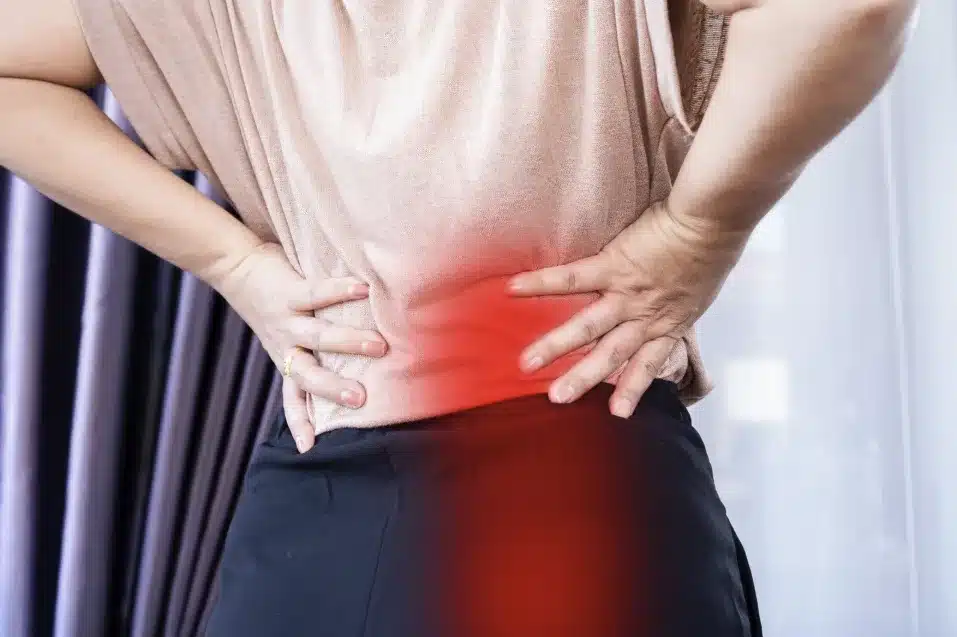
Sciatica is nerve irritation causing radiating leg pain. Recovery involves structural alignment, postural tracking, and muscle balance. While acute flare-ups might resolve within a few weeks, chronic structural strain requires targeted care rather than quick fixes.
Experiencing sharp, shooting pain down your leg can disrupt your entire life. Finding sciatica treatment options in Singapore often depends on identifying exactly what is pressing on your sciatic nerve. Non-surgical options are widely preferred before considering invasive pathways.
Understanding Sciatica Pain: What Triggers It and Why It Hurts
Sciatica is nerve irritation causing radiating leg pain, often triggered by spinal pressure, poor posture, or sudden movements that compress the lumbar nerve roots.
Root Causes and Sciatica Flare-Up Triggers
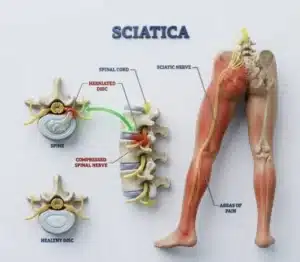
A sudden flare-up might occur after bending to lift a heavy object or twisting awkwardly. Common structural triggers include a herniated disc, spinal subluxations, or bone spurs. These structural imbalances press on the nerve roots, sending radiating pain down the thigh. If these symptoms stem from a disc issue, utilising targeted slipped disc management can help address the root irritation and support recovery.
Impact of Sitting and Night-Time Postures
Sitting places a high mechanical load on the lumbar spine. Lounging on deep chairs or working at poorly set up office desks can worsen the nerve irritation. At night, sleeping on a mattress without proper support can twist the pelvis, making nocturnal discomfort feel more intense.
Clinical Signs of Sciatal Nerve Centralisation and Healing
Recovery looks different for every individual. A encouraging sign is centralisation, where the shooting discomfort moves out of the calf or foot and retreats back up towards the lower back. This change suggests that the pressure on the nerve pathway is reducing.
At-Home Strategies for Pain Relief
Effective at-home sciatica pain relief involves proper spinal alignment during sleep, avoiding forward bends, and practicing gentle core stabilisation exercises.
Optimal Sleeping and Sitting Positions for Nerve Decompression
To maintain a neutral pelvis while resting, try side sleeping with a thick pillow placed between your knees. For back sleepers, a small pillow under the knees keeps the lumbar curve supported. Use a structured lumbar roll when sitting at your desk.
Movements and Activities to Avoid During Flare-Ups
Managing a back pain flare-up is all about protecting your spine while keeping it gently mobile. To prevent further irritation and support your recovery, keep these movement guidelines in mind:
- Avoid bending forward to touch your toes.
- Steer clear of heavy lifting or intense twisting exercises.
- Limit prolonged bed rest, which can stiffen spinal joints.
- Do not sit for more than thirty minutes without a standing break.
- Skip high-impact running or jumping.
Reality of 30-Second Quick Fixes vs. Lasting Structural Decompression
Online videos frequently promise an instant cure through quick stretches. While a brief stretch can relax a tight piriformis muscle temporarily, it is unlikely to change underlying spinal mechanics. True relief relies on gradual structural decompression over time.
How Long Does Sciatica Last?
Recovery timelines depend on whether the nerve irritation is an isolated event or part of a long-standing structural pattern.
Natural Progression of Acute vs. Chronic Sciatica Recovery
An acute episode often improves within four to six weeks with rest and activity modifications. However, if the underlying joint stress is left unaddressed, the condition can become chronic, leading to periodic flare-ups that return every few months.
Role of Low-Impact Walking in Nerve Mobility and Blood Flow
Total bed rest can delay your recovery. Short, gentle walks on flat ground appear to encourage blood circulation to the lower back discs. This movement keeps the nerve traveling smoothly within its channel, provided you stop if pain moves downward.
Red Flags and Stage 4 Symptoms Requiring Emergency Triage
While most back pain episodes resolve with conservative care, certain severe clinical signs point to significant nerve root compression that requires immediate medical intervention. If you experience any of the following symptoms, please seek emergency medical evaluation without delay:
- Loss of control over bowel or bladder function.
- Progressive numbness in the saddle or groin region.
- Sudden muscle weakness, such as an inability to lift the front of your foot.
- Severe, unremitting neurological pain that prevents standing safely.
Sciatica Pain Treatment in Singapore
Navigating local care pathways involves weighing conservative therapies against standard medical or surgical options.
Conservative and Alternative Therapies
Many people search for non-invasive options first when seeking sciatica treatment Singapore. Local pathways include traditional acupuncture for localised symptom control and physical therapy to build up tissue load tolerance. These options focus on encouraging natural recovery without immediate pharmaceutical needs.
Recurrence Prevention vs. Permanent Cure Claims
Be cautious of claims promising a permanent cure. The human spine experiences constant gravitational load and daily wear. Long-term relief focuses on optimizing spinal mechanics, improving posture, and keeping the core strong to prevent future nerve irritation.
Medical Management and Surgical Pathways for Nerve Pinching
When conservative options are insufficient, medical routes include anti-inflammatory medications or epidural steroid injections to lower local swelling. For advanced cases showing progressive motor loss, surgical procedures like a microdiscectomy or laminectomy might be recommended by a specialist.
Managing Biomechanical Stress: The Chiropractic Perspective
Chiropractic care focuses on improving the relationship between the spine and the nervous system to ease structural stress.
Spinal Adjustments for Structural Realignment
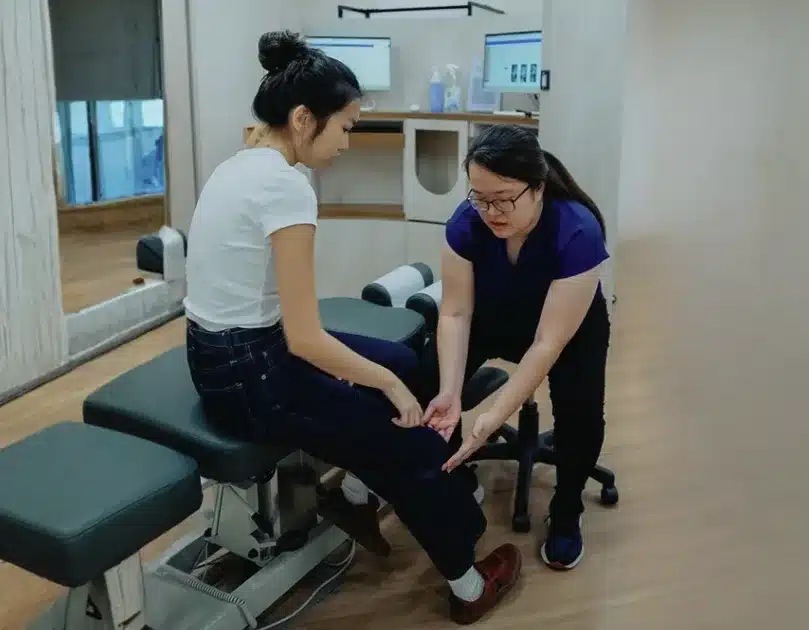
Chiropractors utilise manual or instrument-assisted adjustments aimed at realigning the vertebrae. By correcting localised joint restrictions, this care helps distribute mechanical pressure evenly across the lumbar region, which can ease structural strain on nearby nerve roots.
Spinal Decompression and Digital Posture Scans
Clinics use digital scans to map structural alignments and pinpoint imbalances. Modalities like non-surgical spinal decompression use mechanical traction to gently separate the vertebrae. This process helps create space around the disc, reducing local pressure.
Customised Rehabilitation and Ergonomic Coaching
Sustainable comfort depends on your daily habits. Personalised stretches help support your spinal health long after your session. To understand how your specific posture links to your discomfort, read about how a sciatica symptoms chiropractor can help clarify your needs.
Clinical Comparison Matrix
Understanding how different therapeutic approaches address nerve discomfort can help you determine the most appropriate pathway for your recovery journey. The comparison matrix below outlines the primary mechanisms, typical local modalities, and clinical indications for the most common medical and non-invasive options available in Singapore.
| Approach Type | Primary Clinical Mechanism | Typical Local Modalities | Best Suited For |
|---|---|---|---|
| Conventional Medical Care | Symptom control and anti-inflammatory management | Prescription medications, Injections | Acute, highly inflamed phases |
| Surgical Intervention | Direct mechanical decompression of the nerve root | Microdiscectomy, Laminectomy | Progressive motor weakness or structural emergencies |
| Chiropractic Care | Optimisation of spinal biomechanics and alignment | Spinal adjustments, traction decompression | Non-invasive management of structural strain |
| Physiotherapy & Rehabilitation | Muscle strengthening and pattern correction | Core exercises, stability training | Long-term functional recovery |
Frequently Asked Questions
Q: Why is sciatica so painful at night?
Inflammation can build up when you stay still for hours, and certain sleeping positions mechanically pinch the nerve root.
Q: Is sitting good or bad for sciatica?
Sitting is generally bad because it increases the mechanical weight on your lower back discs, potentially shifting disc material closer to the nerve.
Q: Does walking stop sciatica?
Walking does not stop it instantly, but gentle movement keeps the joints mobile and brings oxygenated blood to the healing tissues.
Take the First Step Towards Better Spinal Health
If you are looking for non-invasive sciatica treatment Singapore choices and want to address your structural alignment before choosing drugs or surgery, checking your spinal health is a practical starting point. Book a consultation.

 Simple, no-pressure, and already trusted by Singaporeans.