

Indigestion, also known as dyspepsia, is a common digestive concern that can affect anyone at any age. It typically presents with symptoms such as bloating, nausea, upper abdominal discomfort, and a feeling of fullness after meals. While occasional indigestion is normal, frequent or recurring episodes may signal that your digestive system is under stress or not functioning optimally.
Supporting gut health naturally involves a combination of mindful eating, dietary adjustments, and lifestyle habits that promote efficient digestion. Simple measures such as eating smaller, balanced meals, avoiding known trigger foods, staying hydrated, and engaging in light physical activity after eating can significantly reduce discomfort.
What is indigestion and how does it affect your body?
Indigestion happens when the digestive process is slower or less efficient than normal, making it harder for the stomach and intestines to break down food. This can occur after eating large meals, rich or fatty foods, eating too quickly, or during periods of stress. When digestion is disrupted, food may remain in the stomach longer, leading to excess acid production and discomfort.
 and how does it affect your body?](https://www.chiropractic-singapore.com.sg/wp-content/uploads/2026/01/illustration-internal-organs-is-womans-body-against-gray-background-2-300x200.jpg)
Poor digestion can affect the body in several ways. Instead of nutrients being absorbed smoothly, the digestive system becomes irritated, triggering a range of uncomfortable symptoms.
The common indigestion symptoms
Recognising symptoms early can help manage indigestion naturally. Key signs include:
- Upper abdominal discomfort or pain caused by delayed stomach emptying
- Feeling full sooner than expected, even after small meals
- Bloating and gas from incomplete food breakdown
- Nausea or mild vomiting due to stomach irritation
- Acid reflux or heartburn when stomach acid flows upward
- Frequent belching from trapped air or excess gas
Although indigestion is often temporary, frequent or persistent symptoms may indicate an underlying digestive issue and should not be ignored.
How long does food take to digest normally?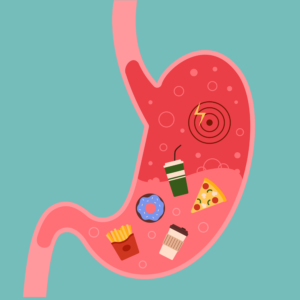
Food digestion begins in the mouth with chewing and saliva, then continues through the stomach and intestines where nutrients are absorbed and waste is formed.
For most people, light meals such as fruits, vegetables, or simple carbohydrates may pass through the digestive system within about 24 hours. In contrast, heavy, fatty, or protein-rich meals—such as fried foods or large portions of meat—can take 48 to 72 hours to fully digest.
Digestion time varies between individuals and is influenced by factors such as meal size, food composition, hydration levels, physical activity, and overall digestive health. Maintaining regular eating habits, staying hydrated, and choosing balanced meals can help support smoother and more comfortable digestion.
What are the reasons for indigestion?
Understanding the reasons for indigestion makes it easier to identify personal triggers and reduce repeat episodes. Indigestion often results from a combination of dietary habits, lifestyle factors, and how the digestive system responds to food.
Can lifestyle and diet trigger indigestion?
Yes. Many cases of indigestion are linked to everyday eating and lifestyle habits, including:
- Overeating or large, heavy meals, which overload the stomach
- Spicy, fatty, or acidic foods that stimulate excess stomach acid
- Carbonated drinks, alcohol, and caffeine, which can irritate the stomach lining
- Eating too quickly or close to bedtime, leaving food insufficiently digested
- Sedentary behaviour after meals, which slows digestive movement
These factors can delay stomach emptying, increase acid production, and raise pressure within the stomach, leading to bloating, discomfort, and acid reflux. Making small, consistent adjustments to diet and daily routines can significantly reduce indigestion symptoms.
How long does indigestion last and when to seek help?
Mild indigestion usually resolves within a few hours with rest, hydration, and natural remedies. Symptoms lasting longer than a day or recurring frequently may indicate an underlying issue. Chronic indigestion lasting more than two weeks should be evaluated by a healthcare professional.
When is indigestion a sign of something serious?
Seek professional attention if you experience:
- Unexplained weight loss
- Persistent vomiting
- Difficulty swallowing
- Severe abdominal pain
- Black or bloody stools
These could indicate ulcers, gallbladder issues, or other gastrointestinal conditions.
How to improve gut health for long-term digestive relief
Maintaining a healthy gut is key to long-term relief from acid reflux and digestive discomfort. By supporting gut function through balanced nutrition, proper hydration, stress management, and spinal alignment, you can enhance digestion, reduce acid buildup, and complement the relief provided by antacid tablets naturally.
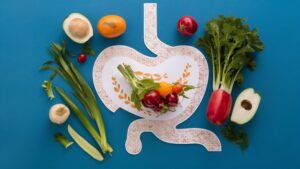
Foods and habits that support gut function and reduce indigestion
A healthy gut microbiome is key to long-term digestive health. Include:
- Prebiotic foods: onions, garlic, bananas
- Probiotic foods: yoghurt, kefir, kimchi
- High-fibre foods: vegetables, fruits, whole grains
Avoid highly processed foods, excessive sugar, and artificial additives. These habits promote healthy bacteria, reduce inflammation, and improve nutrient absorption.
Simple diet and lifestyle adjustments for indigestion
Practical, natural strategies can help reduce indigestion:
- Eat smaller, more frequent meals
- Chew food thoroughly and eat slowly
- Drink water throughout the day, but avoid large amounts during meals
- Identify and avoid personal food triggers
- Take gentle walks after meals to stimulate digestion
Exercises and posture tips for indigestion
Maintaining regular physical activity and good posture can significantly support natural digestion and reduce acid reflux symptoms.

Some effective strategies include:
- Gentle stretching or yoga after meals: Simple stretches targeting the torso can relieve tension, improve circulation, and support digestive motility.
- Walking 15–20 minutes after eating: A light walk stimulates digestion, helps regulate blood sugar, and reduces bloating or discomfort.
- Deep breathing exercises: Practising slow, mindful breathing can reduce stress and stimulate the parasympathetic (“rest and digest”) nervous system, aiding in smoother digestion.
Additionally, maintaining an upright posture during and after meals prevents stomach compression, encourages proper movement of food through the digestive tract, and can reduce the likelihood of acid reflux.
Chiropractic care and spinal health for indigestion
Chiropractic care supports spinal alignment and nervous system function, both of which play a role in how the body communicates internally—especially between the brain and the digestive system.
This communication pathway is often referred to as the gut–brain axis. It describes the two-way interaction between the central nervous system and the gastrointestinal tract, helping regulate digestion, gut sensitivity, and overall digestive comfort. When spinal joints—particularly in the thoracic and lumbar regions—are restricted or misaligned, nerve signalling along this pathway may be affected.

By addressing spinal joint function and mobility, chiropractic care may help optimise nervous system communication, allowing the body to better regulate digestive processes naturally. While chiropractic care does not treat indigestion directly, it aims to support the body’s ability to function and adapt more effectively.
Benefits of chiropractic care may include:
- Enhanced gut motility: Proper nerve signalling can help the digestive system move food more efficiently, reducing bloating and discomfort.
- Reduced abdominal discomfort: By improving spinal alignment, pressure on nerves is relieved, which can ease symptoms like indigestion or mild reflux.
- Promotion of parasympathetic (“rest and digest”) activity: A well-aligned spine supports the body’s natural ability to relax and digest effectively.
While chiropractic care does not replace medical treatment for serious gastrointestinal conditions, many patients experience improved digestive comfort when combining spinal care with antacid tablets, natural remedies, and lifestyle adjustments.
Take control of your digestive health today. Book a consultation with Chiropractic Singapore to support your gut, spine, and overall well-being naturally.
Frequently asked questions about indigestion and gut health
1. What is the difference between heartburn and indigestion?
Heartburn is a burning sensation in the chest or throat caused by acid reflux. Indigestion is a broader term that includes symptoms such as bloating, fullness, nausea, and upper abdominal discomfort. While they often occur together, they are not the same condition.
2. Can indigestion cause back pain or other physical symptoms?
Yes. Indigestion can sometimes cause referred discomfort, including pain or tightness in the upper back, shoulders, or chest. This happens because the digestive system shares nerve pathways with other areas of the body.
3. Are there specific foods to avoid if indigestion is frequent?
Common triggers include spicy foods, fried or fatty meals, acidic foods, chocolate, and caffeine. Keeping a food diary can help identify personal triggers, as tolerance varies from person to person.
4. How long does indigestion usually last?
Mild indigestion often resolves within a few hours. However, symptoms may last longer if meals are heavy or if acid reflux is present. Persistent or worsening symptoms should be assessed by a healthcare professional.
5. Can bad posture and daily habits affect indigestion?
Yes. Slouching after meals, sitting for long periods, and rushed or irregular eating can put extra pressure on your stomach and slow digestion. Maintaining an upright posture after eating and incorporating gentle movement can help ease discomfort and support healthier digestion.