
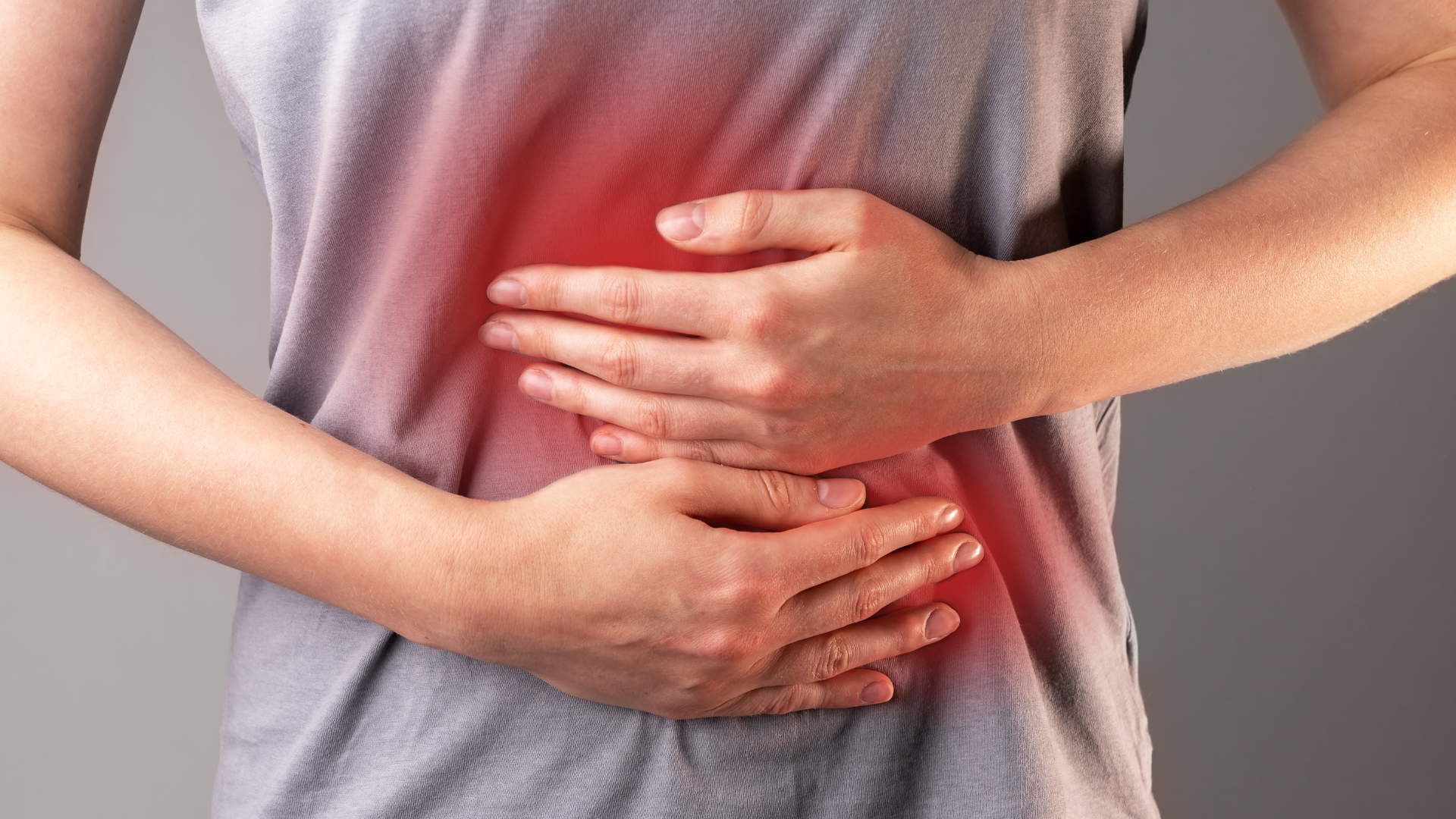
We understand that digestive discomfort can seriously affect your daily life, so we want to provide clear and comprehensive information on antral gastritis — a common but often overlooked condition affecting the lower part of the stomach.
In this guide, we’ll explain what antral gastritis is, help you identify its symptoms, explore common causes, provide practical advice on diet and treatment, and show how holistic wellness support can fit into your journey.
What Is Antral Gastritis?
Antral gastritis is a type of gastritis where inflammation occurs in the antrum — the lower portion of your stomach near the pyloric valve that connects to your small intestine. Gastritis broadly refers to inflammation of the stomach lining, which can cause discomfort, indigestion, and other digestive issues.

This inflammation can interfere with normal stomach function, leading to symptoms that affect your wellbeing. The condition is common — general searches for gastritis average over 5,400 monthly, reflecting how many people experience this issue.
Recognising antral gastritis specifically helps tailor your approach to management and prevention.
Recognising Common Gastritis Symptoms
It’s important to know what signs to watch out for. Symptoms of gastritis may come on gradually or be quite mild, but they often affect your comfort after meals or throughout the day.
Here’s a helpful overview:
| Gastritis Symptom | Description | Notes |
|---|---|---|
| Burning or gnawing stomach pain | Often in the upper abdomen, sometimes worsening when hungry | Most common symptom |
| Bloating | Feeling full or swollen after eating | Can affect appetite |
| Nausea | Queasy feeling, sometimes leading to vomiting | Varies between individuals |
| Loss of appetite | Reduced desire to eat | Can result from discomfort |
| Indigestion | General stomach upset after meals | Frequent in gastritis |
| Belching | Frequent burping | Can accompany other symptoms |
| Dark stools (rare) | May indicate internal bleeding | Seek urgent care if noticed |
If you experience these symptoms often or they worsen, it is wise to consult a healthcare professional for proper diagnosis and advice.
What Causes Gastritis? Exploring the Root Factors
Understanding gastritis causes is key to preventing and managing the condition. Gastritis arises when the stomach lining is irritated or inflamed by various factors, including:
- Helicobacter pylori infection: This bacterium is a major cause of gastritis worldwide, damaging the protective lining of the stomach.
- Frequent use of NSAIDs: Medicines like ibuprofen can irritate or damage the stomach lining if used often or without food.
- Alcohol consumption: Excessive or regular drinking inflames the stomach lining.
- Smoking: Tobacco use delays healing and exacerbates gastritis symptoms.
- Stress: While not a direct cause, stress can increase stomach acid and worsen symptoms.
- Poor diet: Consuming irritating or highly acidic foods regularly.
- Autoimmune conditions: Rarely, the body’s immune system attacks the stomach lining itself.
Knowing which causes apply to you can help guide treatment and lifestyle adjustments.
Gastritis Foods to Avoid: Eating Smart for Your Stomach
Your diet plays a crucial role in managing antral gastritis. Certain foods may irritate your stomach lining or increase acid production, making symptoms worse.
Here is a clear list of common foods and drinks to avoid, along with better alternatives to support your digestive health:
| Foods to Avoid | Reason for Avoidance | Better Alternatives |
|---|---|---|
| Spicy foods | Irritate inflamed lining | Mild herbs such as basil, parsley |
| Citrus fruits (oranges, lemons) | High acidity can worsen symptoms | Bananas, melons |
| Tomatoes | Acidic and may trigger discomfort | Cooked vegetables like pumpkin |
| Fried and fatty foods | Slow digestion and increase irritation | Steamed or grilled lean proteins |
| Coffee and caffeinated drinks | Stimulate acid production | Herbal teas, decaffeinated coffee |
| Alcohol | Irritates and inflames the stomach lining | Water, coconut water |
| Carbonated beverages | Cause bloating and discomfort | Still or infused water |
Choosing foods that are gentle on your stomach can help ease symptoms and support healing over time.
Safe and Effective Gastritis Treatment Approaches
Treatment for gastritis, including antral gastritis, typically focuses on reducing inflammation, relieving symptoms, and addressing underlying causes.
Most people begin with lifestyle modifications such as:
- Avoiding irritating foods and drinks
- Eating smaller, more frequent meals instead of large ones
- Reducing alcohol and quitting smoking
- Managing stress through relaxation, exercise, or mindfulness
Medical treatment depends on the cause:
- If caused by Helicobacter pylori infection, antibiotics may be prescribed
- Acid-reducing medications can help soothe the lining and relieve pain
- If medications like NSAIDs cause symptoms, alternatives may be recommended
At Chiropractic Singapore, while we don’t provide direct medical treatment for gastritis, we focus on holistic wellbeing. Chiropractic care can help reduce physical stress on the body, improve posture, and support the nervous system, which may contribute to better digestion and overall comfort.
The Role of Gastritis Medication: What You Should Know
Your doctor may recommend specific medications tailored to effectively manage your gastritis symptoms or address the underlying causes:
Antacids
Antacids work by neutralising excess stomach acid, providing quick relief from burning and discomfort. They are often used for mild symptoms or as a temporary solution.
Proton Pump Inhibitors (PPIs)
PPIs reduce acid production in the stomach over a longer period, allowing the stomach lining time to heal. They are commonly prescribed for moderate to severe gastritis and are typically taken for several weeks.
H2 Blockers
H2 blockers are another class of medications that lower acid levels in the stomach. They work by blocking histamine receptors involved in acid secretion and can be an alternative to PPIs in some cases.

Antibiotics
If your gastritis is caused by an Helicobacter pylori infection, your doctor may prescribe antibiotics to eradicate the bacteria. This treatment is essential for resolving infection-related inflammation.
Protective Agents
Protective agents form a coating over the stomach lining, shielding it from acid and irritants. These medications help to reduce discomfort and promote healing.
It’s important to remember that these medications should only be used under the guidance of a healthcare professional. Incorrect or prolonged use without medical supervision can cause side effects or hide symptoms that require further investigation.
It is essential to use these medications under medical supervision. Incorrect or prolonged use without guidance can cause unwanted effects or mask symptoms needing further investigation.
How Chiropractic Care Supports Your Digestive Health and Holistic Wellbeing
While chiropractic care doesn’t directly treat antral gastritis, it supports your digestive health and overall wellness by:
- Enhancing Nervous System Function:Spinal misalignments can disrupt nerve signals controlling digestion. Chiropractic adjustments restore alignment and improve nervous system communication, aiding stomach acid regulation and motility.
- Improving Posture to Reduce Organ Pressure:Poor posture compresses abdominal organs and limits blood flow. Posture correction and ergonomic advice help relieve pressure, promoting better digestion and easing gastritis symptoms.
- Reducing Stress and Activating the Parasympathetic Response:Stress worsens gastritis by increasing stomach acid. Chiropractic care helps balance the nervous system, encouraging the “rest and digest” state to support natural healing.
- Providing Holistic Lifestyle Support:Beyond adjustments, we offer personalised guidance on nutrition, exercise, and stress management to build resilience and support long-term digestive health.
- Promoting Mobility and Physical Vitality: Improved spinal and core mobility from chiropractic care enhances intestinal function and overall energy levels, contributing to better digestion.
By addressing spinal health, posture, stress relief, and lifestyle together, chiropractic care helps you maintain lasting digestive wellbeing and holistic health.
Taking Charge of Your Antral Gastritis
Antral gastritis is a common condition that can cause uncomfortable digestive symptoms. By understanding its symptoms, causes, and dietary triggers, you’re better equipped to manage your health.
If symptoms persist or worsen, seeking professional medical advice is important for accurate diagnosis and treatment. Meanwhile, mindful eating, avoiding irritants, stress management, and supportive chiropractic care can help you feel better and maintain overall wellness.
If you’re experiencing digestive discomfort or want to explore how chiropractic care can support your overall wellbeing, book an appointment with Chiropractic Singapore today. Our experienced chiropractors are here to guide you on a holistic path to better health — helping you feel balanced, comfortable, and in control of your digestive health.
Frequently Asked Questions (FAQs) About Gastritis
1. Can lifestyle changes really improve gastritis symptoms?
Yes. Avoiding irritant foods, quitting smoking, reducing alcohol, and managing stress often significantly improve symptoms and support healing.
2. Is gastritis contagious?
Gastritis itself isn’t contagious, but the Helicobacter pylori bacteria that causes some gastritis can be spread through close contact or contaminated food and water.
3. How is gastritis diagnosed?
Diagnosis usually involves a review of symptoms, medical history, and may include blood tests, breath tests, stool tests, or an endoscopy to view the stomach lining.
4. Can gastritis lead to ulcers or stomach cancer?
Untreated chronic gastritis, especially if caused by H. pylori infection, may increase the risk of stomach ulcers or, rarely, stomach cancer. Early diagnosis and treatment are important.
5. Are there natural remedies for gastritis?
Some find relief with natural approaches like aloe vera juice, ginger, or probiotics, but these should complement—not replace—medical treatment. Always consult your doctor first.
6. When should I see a doctor about my gastritis symptoms?
If you have severe, persistent stomach pain, vomiting blood, black stools, unexplained weight loss, or difficulty swallowing, seek medical attention promptly.