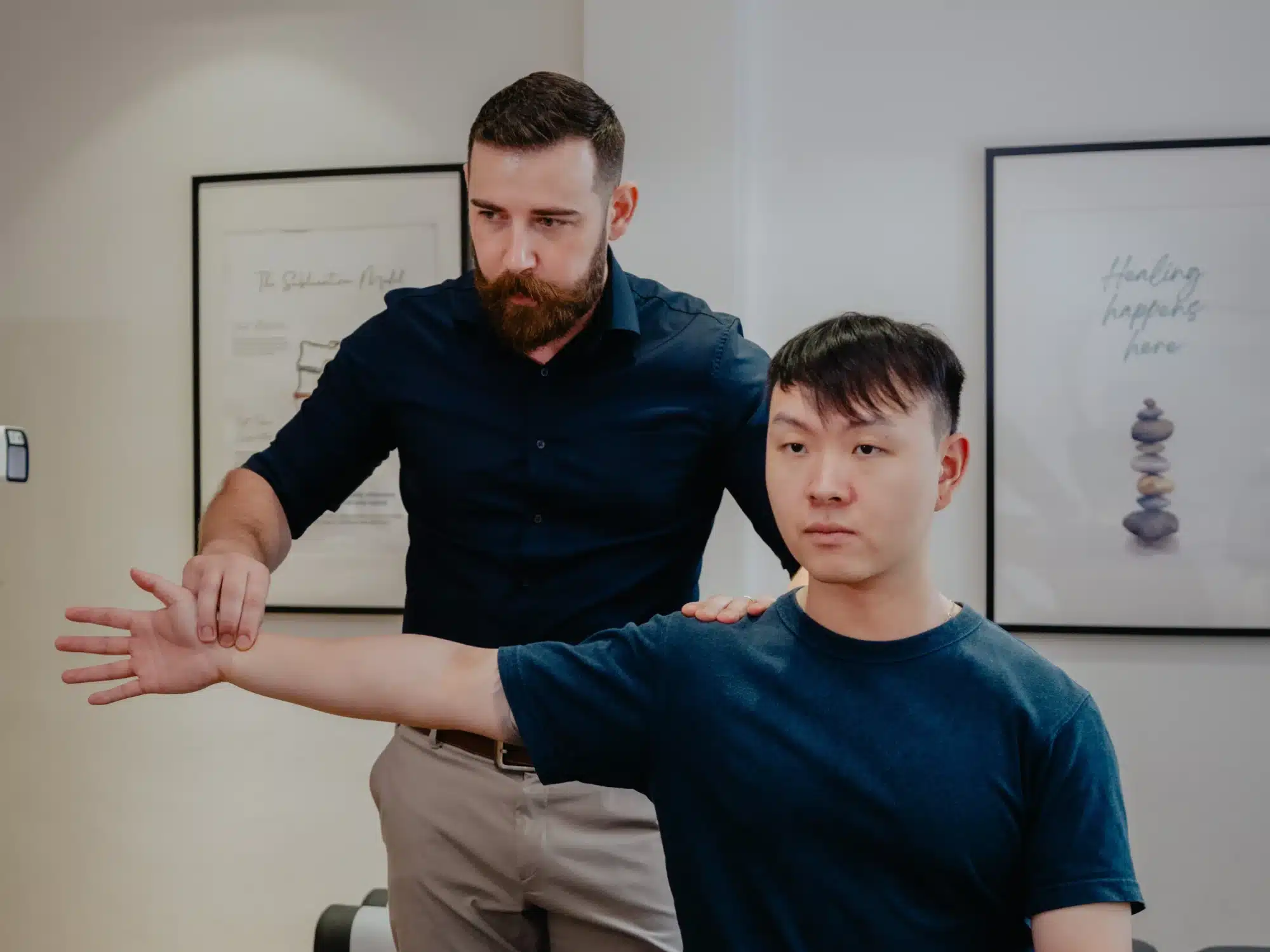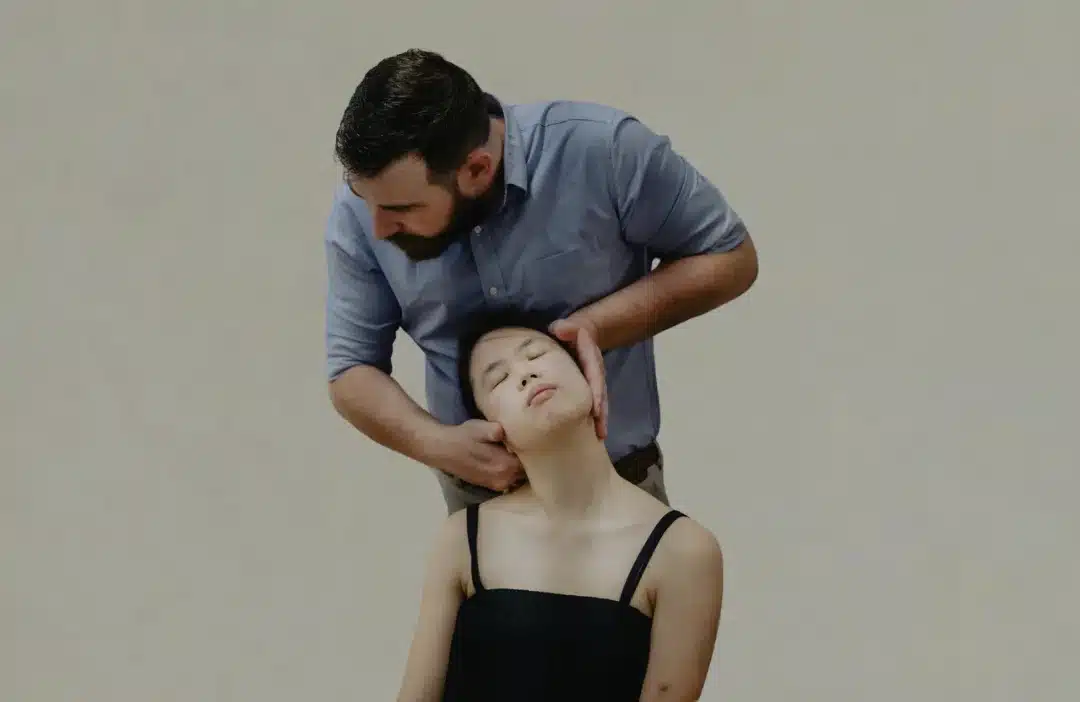

If you have ever woken up with a neck that won’t turn or a lower back that feels like it’s screaming, you’ve likely searched for help. In that search, you probably wondered: are chiropractors doctors? It is a common question in Singapore, where the healthcare landscape is a mix of traditional medicine and allied health. While chiropractors are highly trained healthcare professionals who hold a Doctor of Chiropractic degree, they are distinct from medical doctors (MDs). Understanding these differences is essential for selecting the best path forward for your spinal health.
What is a chiropractor and how do they help?
In Singapore, chiropractors act as primary contact practitioners focusing on the relationship between the spine and the nervous system. This section explores how their philosophy of natural, non-invasive care helps people regain mobility and manage pain without reaching for the medicine cabinet immediately.
Learn more about chiropractic care here.

What does a chiropractor do for spinal health?
A chiropractor focuses on the mechanical integrity of your spine, which acts as the switchboard for your body. When joints in the spine fail to move correctly, a condition often known as a subluxation, it can interfere with the way signals travel through your nerves.
Rather than focusing on the sound of the adjustment, these precise and controlled forces are applied to specific joints to restore functional motion, which helps to:
- Reduce pressure on irritated nerves.
- Improve the range of motion in stiff joints.
- Relax muscles that are chronically tight from overcompensating for poor alignment.
Are chiropractors doctors in Singapore?
In the academic sense, yes. Most chiropractors in Singapore have earned a Doctor of Chiropractic (DC) degree from accredited international universities. This is a postgraduate professional degree, similar to how a dentist is a Doctor of Dental Surgery.

However, it is important to note:
- They are not Medical Doctors (MDs): Chiropractors do not attend traditional medical school and do not prescribe pharmaceutical drugs or perform surgery.
- Title Usage: In Singapore, the Ministry of Health (MOH) allows chiropractors to use the prefix Dr, provided they clearly state their qualification (e.g., Doctor of Chiropractic) to avoid misleading the public into thinking they are medical practitioners registered under the Medical Registration Act.
Is a chiropractor a medical doctor?
No, a chiropractor is not a medical doctor. While both paths require years of rigorous university study, the focus of that study differs significantly.
Medical doctors are trained in allopathic medicine, by treating diseases through medications, surgery, and other invasive procedures. Chiropractors are trained in conservative care—treating the body through non-invasive, drug-free manual therapies. If you are looking for a natural approach to pain relief that avoids the side effects of painkillers, a chiropractor is often the expert you need.
What are the qualifications and training for chiropractors?
Becoming a chiropractor isn’t a weekend course; it involves years of full-time university study. This section breaks down the academic path, the rigour of the curriculum, and the diagnostic capabilities that these practitioners bring to the table in a clinical environment.
What degree do chiropractors need before practicing in Singapore?
Most chiropractors practicing in Singapore have completed a four to five-year full-time degree program. Before they even get to the Doctor of Chiropractic portion, they usually need a strong foundation in basic sciences during their undergraduate years.
The curriculum includes:
- Anatomy and Physiology: Deep study of the human body.
- Neurology: Understanding the complex workings of the brain and nerves.
- Biomechanics: Learning how the body moves and where it fails.
- Radiology: Being able to read X-rays and MRI scans to spot underlying issues.
Are chiropractors qualified to diagnose pain?
Yes, they are. A major part of their training is differential diagnosis. This means when you walk in with back pain, they don’t just assume it’s a stiff muscle. They are trained to perform orthopaedic and neurological tests to figure out if the pain is coming from a disc, a joint, a nerve, or even a more serious underlying medical condition that requires a referral to a hospital.
How does chiropractic care compare to other treatments?
Choosing the right therapist can be confusing when you are in pain. This compares chiropractic care with physiotherapy and general medicine, highlighting the unique focus of each to help you decide which path might be more effective for your specific condition.<
What is the difference between a doctor and a chiropractor?
A GP’s primary tools are prescriptions and referrals. If you have back pain, a GP might give you painkillers or muscle relaxants to manage the symptoms.
A chiropractor’s primary tool is the manual adjustment. They want to address the mechanical cause of the pain. One focuses on chemistry (medication), while the other focuses on physics (alignment and motion).
What is the difference between a physiotherapist and a chiropractor?
Chiropractors primarily focus on the spine, joint alignment, and the nervous system, using manual adjustments to improve skeletal mobility and relieve nerve interference. Physiotherapists, on the other hand, focus on restoring functional movement and strength by treating soft tissues like muscles and ligaments through rehabilitation, targeted exercise, and massage.
Often, the two professions work beautifully together. A chiropractor aligns the frame and a physiotherapist strengthens the muscles around it.
Learn more about the differences and synergies between physiotherapy and chiropractic care.
What does this mean for your wellness journey?

Choosing a chiropractor means choosing a specific philosophy of care. Here is what it means for you as a patient:
- A Holistic Approach: We don’t just crack backs. We look at your posture, lifestyle, and nervous system health.
- Non-Invasive Solutions: We provide an alternative for those who want to avoid surgery or are wary of long-term medication use.
- Primary Care for the Spine: You do not need a referral from a medical doctor to see us. We are trained to diagnose spinal issues and will refer you to a medical specialist if we find a problem that falls outside our scope of practice.
Frequently asked questions
1. Are chiropractors regulated in Singapore?
Currently, chiropractic is a self-regulated profession in Singapore. Reputable practitioners belong to professional bodies like the The Chiropractic Association (Singapore) or the Alliance of Chiropractic, which set professional standards, ethical codes, and guidelines for members.
At Chiropractic Singapore, our head chiropractor, Dr. Ryan, is a verified member of the Alliance of Chiropractic, ensuring that all chiropractors in our clinics adhere to a strict code of ethics & practices.
2. Why are chiropractors called doctors if they don’t give medicine?
The Doctor title refers to their level of academic achievement (Doctorate). Just as a PhD in Physics is a “Doctor,” a chiropractor has reached the highest level of professional training in their specific field of spinal health.
3. Is chiropractic care safe?
Yes, chiropractic care is widely recognised as one of the safest drug-free, non-invasive therapies available for neuromusculoskeletal complaints. While some patients feel minor soreness after an adjustment (similar to the feeling after a workout), serious complications are extremely rare.