Published on: 14 October 2026
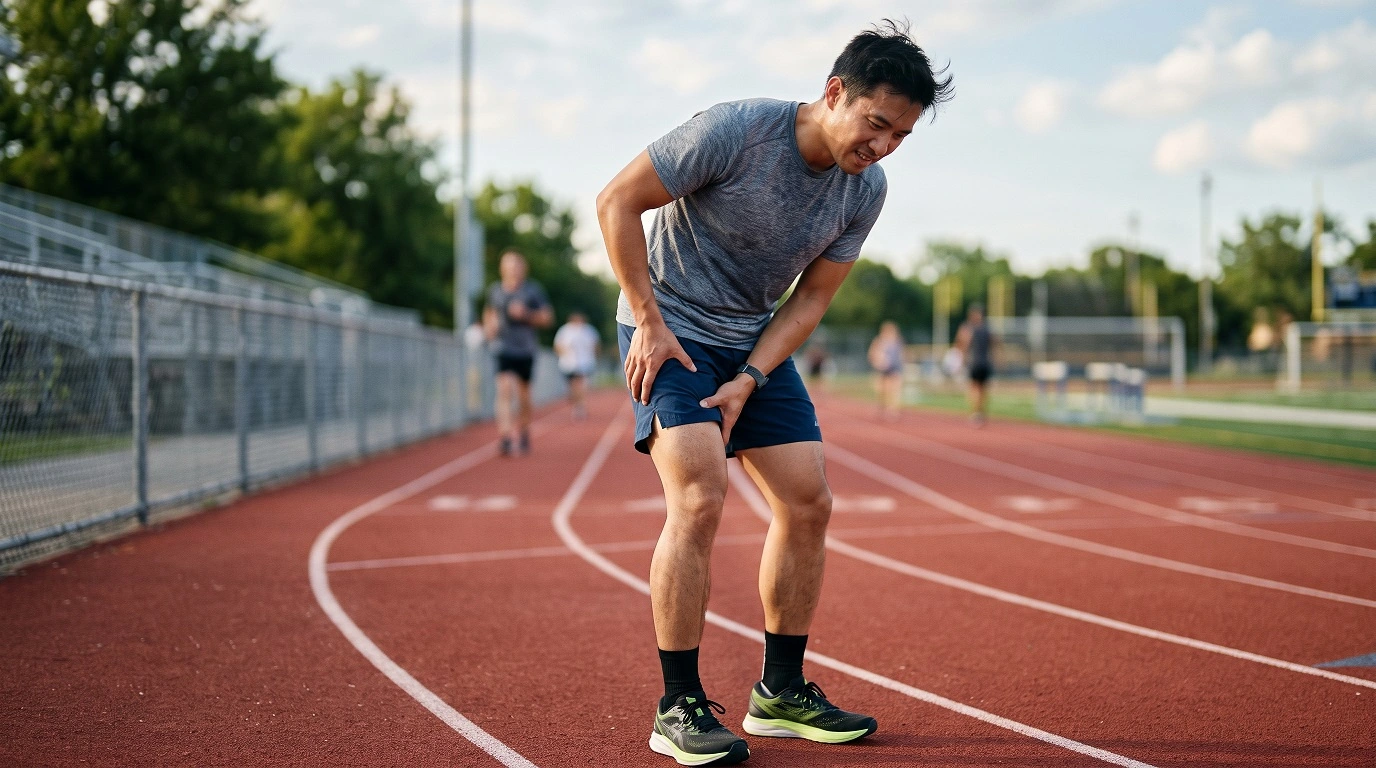
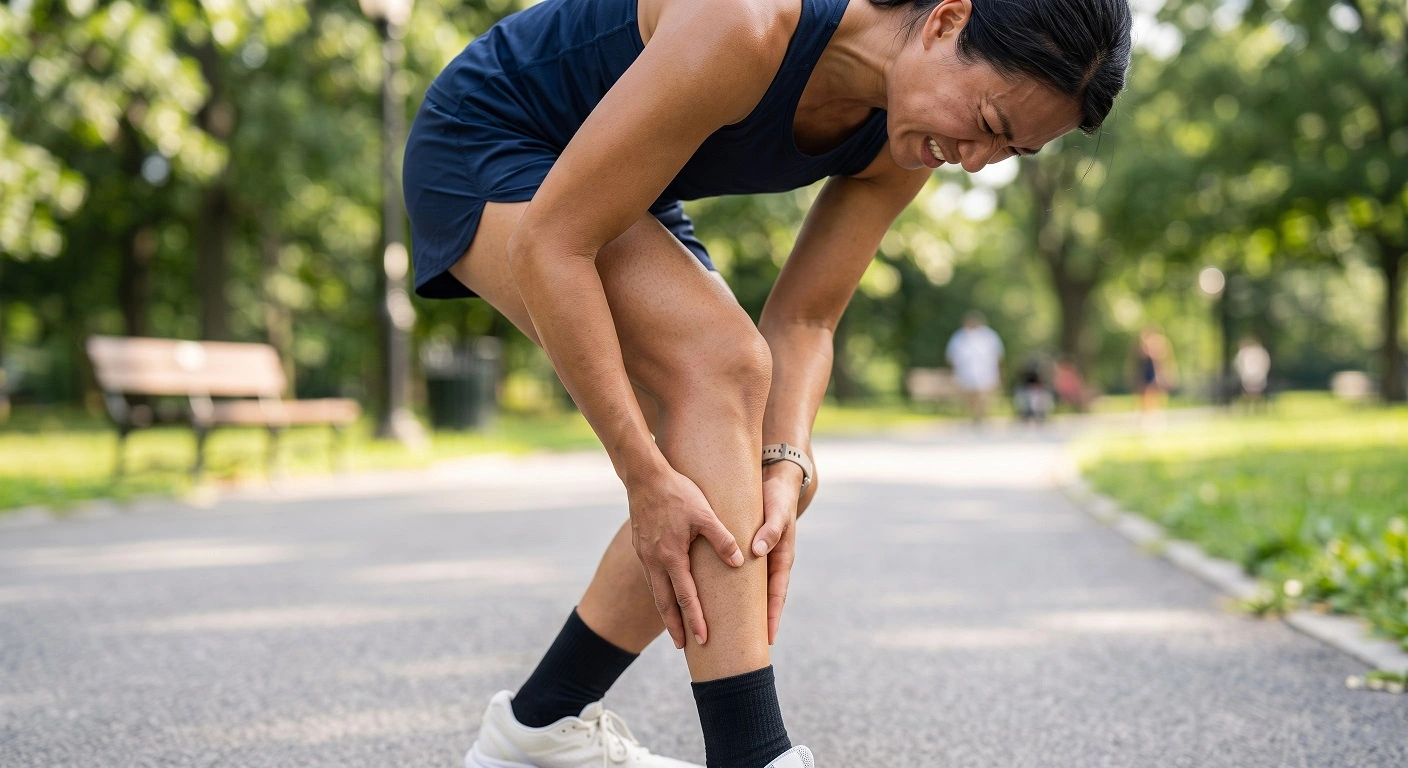
That ache along your shinbone is your body flagging repeated stress it hasn’t had time to heal from, and shin splint recovery starts with recognising that rather than pushing through it. Medial tibial stress syndrome, the clinical name for shin splints, develops when running, jumping, or repetitive impact inflames the muscles, tendons, and the tissue covering your tibia faster than they can repair.
Most cases respond well to rest and correcting what caused the overload in the first place, whether that’s footwear, training load, or how your weight moves through your legs when you walk or run.
Key Takeaways
- Most shin splints resolve in three to six weeks with proper rest, though severe cases can take months.
- Pushing through the pain is the single biggest reason recovery stretches from weeks into months.
- Pain that persists at rest, or that you can pinpoint with one finger, needs medical assessment rather than home care. Rest alone stops the pain, but correcting the biomechanics that caused it stops it from coming back.
What Causes Shin Splints?
Shin splints develop when repetitive impact overloads your lower leg faster than the tissue can recover. Several factors usually stack up together rather than acting alone:
- Flat feet or overpronation, which collapse your arches and create rotational stress on the tibia
- A sudden jump in training volume, more than a 10% weekly increase in distance or intensity
- Worn-out footwear, typically running shoes past 500 to 800km
- Hard or uneven surfaces, particularly concrete and sloped roads
- Downhill running, which forces the anterior tibialis to absorb heavy braking loads
Why Am I Getting Shin Splints In Only One Leg?
One-sided shin splints usually point to an asymmetry rather than a training error. Running consistently on a cambered road loads your downhill leg harder, as do leg-length differences, pelvic misalignment, or single-sided muscle weakness. Specifically, the tibialis anterior and peroneus longus muscles work together to support your foot’s medial arch. If these muscles are weak or imbalanced on one side, that foot loses its suspension system and collapses inward when it hits the ground. This structural imbalance forces that specific leg to overpronate, causing it to absorb a disproportionate amount of impact shock and reach its stress threshold first. A posture and gait assessment is the practical way to find which imbalance is responsible.
What Gets Mistaken for Shin Splints?

Two conditions are commonly mistaken for shin splints, and both are more serious. The distinction matters because they need different treatment:
- Stress fractures: pinpoint pain you can cover with one fingertip, often persisting at rest or overnight
- Chronic exertional compartment syndrome: Dangerous pressure buildup within the enclosed muscle compartments of the leg, causing nerve compression, extreme tightness, and numbness.
- Tendonitis: pain that follows the tendon line rather than sitting broadly along the shinbone
True shin splints produce a diffuse ache spread over several inches of the inner shin, not a single point.
When Should You See a Doctor First?
See a doctor before starting any self-treatment if you have pain at rest or at night, visible swelling, pain you can pinpoint with one finger, or any numbness or tingling. Review Mayo Clinic’s guidelines on shin splint symptoms if you are unsure whether imaging is warranted.
How Long Do Shin Splints Take to Heal?
Recovery time depends almost entirely on severity and how quickly you stop the aggravating activity:
| Severity | What it feels like | Recovery time |
|---|---|---|
| Mild | Aches only after activity | 2 to 4 weeks |
| Moderate | Hurts before, during, and after exercise | 3 to 6 weeks |
| Severe/chronic | Painful at rest or while walking | Several months |
Rest from running and jumping for two to four weeks is the baseline for mild to moderate cases. Swimming, stationary cycling, and pool running maintain fitness without loading the tibia. Every session attempted before the tissue has healed resets the clock, which is why most months-long cases started as two-week ones.
Should You Push Through Shin Splints?
No. Training through shin splint pain is the main pathway from periosteal inflammation to a tibial stress fracture, which requires six to twelve weeks of strict rest instead of two to four.
Masking the pain to keep training is the same problem in a different form. A patch or painkiller removes the warning signal without changing the load causing the damage, which is worth understanding when weighing chiropractic care against pain relief patches.
Can I Still Walk?
Light, completely pain-free walking is fine and helps maintain circulation. Stop immediately if you feel any pulling, throbbing, or aching along your shinbone, and elevate the leg.
Does Massage Help Shin Splints?
Massage helps, but timing and placement both matter more than technique:
- First 5 to 7 days: avoid massaging the shin entirely while inflammation is acute. Rest and ice only.
- After acute pain settles: work the calf and soleus muscles, never the tibia itself. Direct pressure on the bone worsens periosteal inflammation.
- Professional myofascial release reduces the pulling forces the calf muscles exert on the tibia more effectively than self-massage.
- What massage cannot fix: it cannot fix underlying joint stiffness or faulty foot mechanics. True recovery requires addressing both the soft tissues and the joints together.
How Chiropractic Care Supports Shin Splint Recovery in Singapore
Chiropractic care targets the mechanics behind the overload rather than the inflamed tissue itself. Aligning the pelvis, hips, knees, and ankles distributes weight evenly across both legs instead of concentrating impact on one shin.
A full recovery plan combines four things: managed rest, a biomechanical and gait assessment, joint mobilisation or orthotics where indicated, and progressive strengthening before you return to running.
Do Shin Splints Ever Fully Heal?
Yes, provided the underlying mechanical cause is resolved. Shin splints have a high recurrence rate specifically because most people rest until the pain stops, then return to the exact training pattern and footwear that caused it. In fact, a clinical trial on PubMed found that switching to unsupportive or minimalist footwear significantly spikes shin and calf pain. Addressing overpronation, gait asymmetry, or a training spike is what makes the resolution permanent.
If shin pain has been holding you back, or it keeps returning every time you resume training, a proper biomechanical assessment will tell you why. Book a physical assessment today, and our team will map out a recovery plan built around your mechanics, not a generic protocol.