
Published on: 14 October 2026
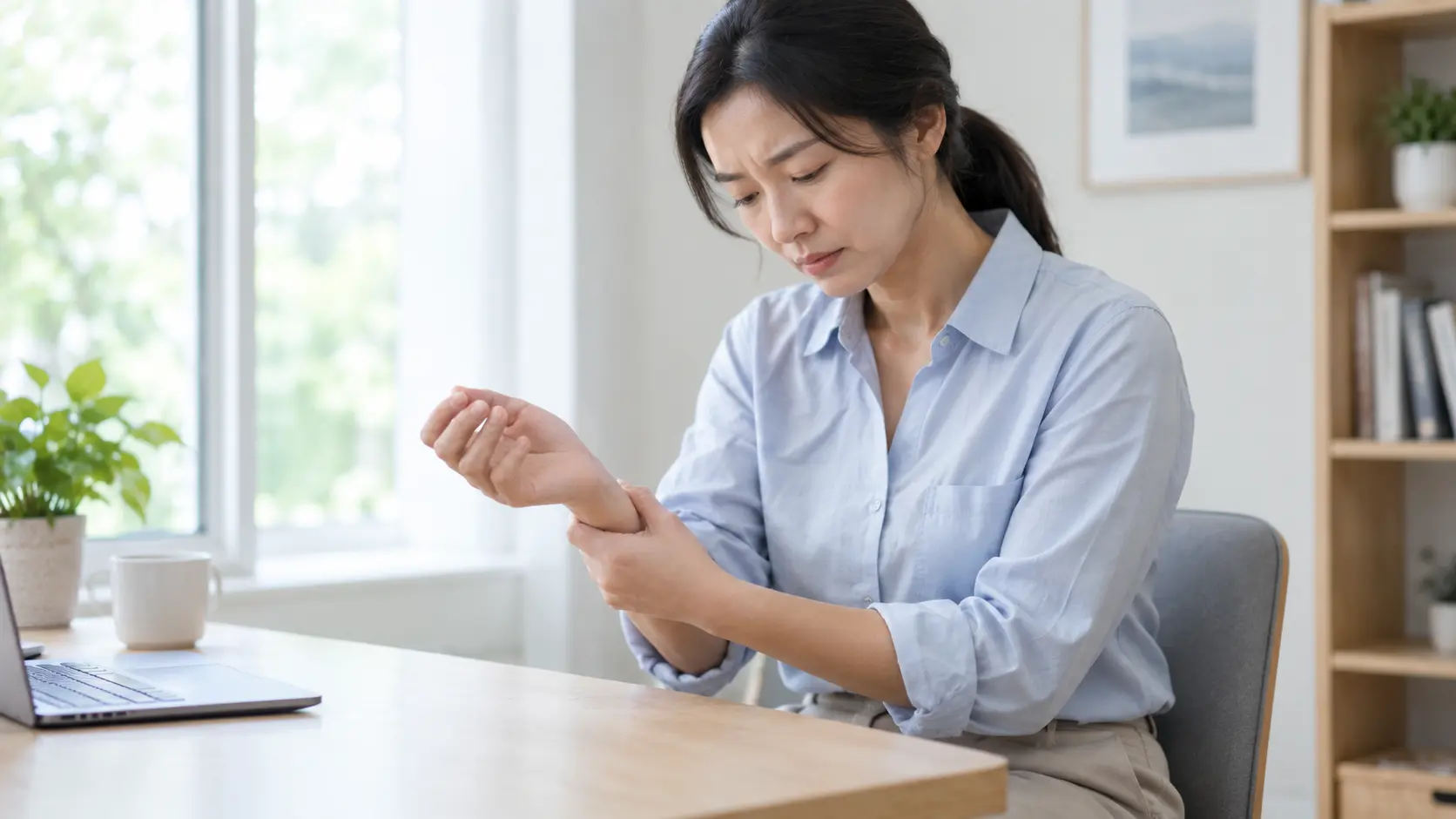
A hip flexor muscle strain occurs when the vital muscles connecting your pelvis and lower back to your thigh are stretched beyond their limits or torn. This common injury often triggers sharp, sudden pain at the front of the hip, making walking, running, or even standing up incredibly uncomfortable.
Whether you are an active runner or spend long hours sitting at a desk in Singapore, these essential muscles can easily become tight, overworked, and susceptible to injury. Understanding the root cause of your discomfort is the crucial first step toward effective, long-lasting pain relief.
By correctly identifying your symptoms and exploring targeted conservative treatments like chiropractic care, you can heal the muscle tissue faster and avoid chronic hip mobility issues in the future.
Recognising the Signs of a Hip Flexor Injury
A common sign of a hip flexor strain is sharp pain at the front of your hip or groin, especially when lifting your knee toward your chest; however, it is important to have these symptoms evaluated by a professional to rule out other joint issues. This specific discomfort may range from a mild, nagging ache to a severe, debilitating pull that stops you in your tracks during a workout.
Patients frequently feel distinct tenderness in the upper thigh area and may notice mild swelling or bruising near the hip crease. Uncomfortable muscle spasms are also incredibly common, particularly when attempting to stretch the affected leg backward or when accelerating into a sprint.
It is crucial to differentiate localised hip flexor pain from other structural issues, such as spinal misalignment, pelvic dysfunction, or sciatica. Many patients mistake this front-hip tightness for lumbar spine issues, which is why seeing a lower back pain chiropractor can help pinpoint the exact origin of your pain.
Common Signs of a Hip Flexor Strain:
- Sharp, sudden pain: Felt immediately in the front of the hip or groin area during movement.
- Muscle cramping: Unpredictable spasms or clenching sensations in your upper thigh.
- Functional weakness: A noticeable inability to lift your leg, kick, or climb stairs without pain.
- Restricted mobility: Stiffness that makes standing up straight after sitting very difficult.
Identifying What Causes Hip Flexor Pain in Daily Life
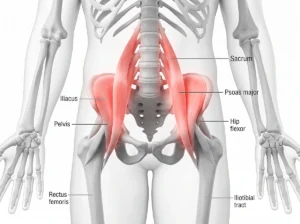
Repetitive sprinting, explosive kicking motions, and prolonged sitting are the primary daily causes that aggravate and strain your hip flexor muscles. The complex iliopsoas muscle anatomy involves muscles that connect your lower spine directly to your pelvis and femur, making them highly vulnerable during explosive lower-body movements.
Exercises that demand high knee lifts, such as sprinting, martial arts, or intensive indoor cycling, severely aggravate these muscles if performed without proper warm-ups. Additionally, sitting at an office desk for eight hours a day keeps these muscles in a continuously shortened, contracted position, leaving them weak and prone to tearing upon sudden movement.
When dealing with a hip flexor strain, you must absolutely avoid pushing through the pain to finish a workout. Avoid explosive movements, deep lunges, and heavy leg presses, as these actions will only widen the micro-tears in the muscle fibers and delay your overall recovery.
Daily Habits to Avoid with a Strain:
- Prolonged sitting: Do not sit for more than an hour without standing up to fully extend your hips.
- High-impact cardio: Pause running, jumping, or plyometric activities until the inflammation subsides entirely.
- Aggressive stretching: Avoid forcing your hips into deep, painful stretches in an attempt to “loosen” the injury.
Managing Pain and Supporting Active Recovery
You can relieve a hip flexor strain by applying ice during the initial 48 hours, resting the muscle, and gradually introducing light, pain-free movement. Following trusted muscle strain management guidelines ensures you do not inadvertently worsen the muscular tear during the early stages of healing.
Many patients wonder if they should aggressively stretch a hurting hip flexor. The answer is strictly no during the acute pain phase, as stretching a torn, inflamed muscle fiber pulls it further apart, increases bleeding, and significantly delays the healing process.
You can still walk with a mild hip flexor strain, provided the pain remains highly manageable and your natural gait is not heavily altered. However, if walking causes you to limp, you are placing excess compensatory stress on your lower back and pelvis, meaning you should rest the leg entirely.
Phased Recovery Steps for Hip Flexor Strains:
| Recovery Phase | Recommended Action | Actions to Avoid |
|---|---|---|
| Days 1-3 (Acute) | Apply ice for 15-20 minutes every few hours; prioritise deep rest. | Heat therapy, massage, and aggressive stretching. |
| Days 4-7 (Sub-acute) | Gentle, pain-free walking on completely flat surfaces. | Stairs, inclines, heavy lifting, and deep lunges. |
| Week 2+ (Rehab) | Isometric exercises and gentle pelvic tilts to rebuild strength. | High-speed running, kicking, or sudden directional changes. |
Exploring Chiropractic Care for Faster Healing
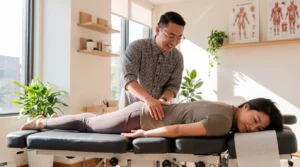
An effective way to support the healing of a strained hip flexor is through a combination of targeted rest, progressive rehabilitation, and therapies like chiropractic care to manage pain and improve joint mobility. When you have functional imbalances or restricted mobility in your hips and pelvis, your body may compensate, potentially placing uneven tension on the hip flexor muscles.
Chiropractic care fundamentally addresses this root mechanical issue rather than just masking the symptoms. By realigning the lumbar spine and pelvis, your chiropractor removes the structural stress on the injured muscle, allowing the inflamed tissues to relax and heal naturally.
How long strained hip flexors take to heal depends heavily on the severity of the initial tear. A mild grade 1 strain may recover in 1 to 3 weeks with proper care, while a severe grade 3 tear could take up to 8 weeks or more to fully rehabilitate.
How Chiropractic Support Accelerates Recovery:
- Pelvic Realignment: Balances the hips to prevent uneven muscle pulling and reduce daily joint strain.
- Joint Mobilisation: Restores your natural range of motion safely without over-stressing the healing tissues.
- Neuromuscular Support: Relieves joint stiffness and reduces localised muscle tension, which can help improve your overall movement patterns.
- Custom Rehabilitation: Provides safe, gradual exercise recommendations tailored specifically to your exact recovery phase.
Preventing Future Hip Flexor Issues in Singapore

You can prevent future hip flexor injuries by maintaining proper posture, taking frequent movement breaks, and incorporating gentle walking to keep the muscles thoroughly pliable. For busy office workers in Singapore, prioritising daily ergonomics and consistent movement is critical to long-term joint health.
Walking at a moderate, relaxed pace will naturally help loosen tight hip flexors by gently engaging and stretching the muscle through its normal range of motion. It provides healthy, nutrient-rich blood flow to the pelvic region without the harsh, repetitive impact associated with running.
However, your core stability and joint mobility play a significant role in how effectively you walk and move throughout the day. Consulting a bad posture chiropractor can help correct the deep structural imbalances that lead to chronic muscle tightness and recurrent lower-body injuries.
Top Prevention Strategies:
- Ergonomic Workstations: Adjust your office chair so your hips rest slightly higher than your knees.
- Frequent Standing: Set an alarm to stand up and walk around the office every 45 minutes.
- Dynamic Warm-ups: Always perform leg swings and light cardiovascular work before engaging in intense sports.
Book an Appointment with Chiropractic Singapore Today
Taking proactive steps to address your hip pain ensures you can return to your active lifestyle safely and without chronic, lingering discomfort. Do not let a nagging muscle strain dictate your daily activities or lead to ongoing movement compensations.
Our experienced chiropractic team is ready to assess your biomechanics, locate the root cause of your pain, and create a customised recovery plan.
Book your Spinal Check-Up at Chiropractic Singapore to start your journey toward optimal health and pain-free movement today.