

Published on: 14 October 2026
Finding the right cervical spondylosis treatment options in Singapore is essential if you are tired of waking up with a stiff neck, persistent headaches, or tingling down your arms. This condition is essentially osteoarthritis of the neck, meaning the spinal discs and joints in your cervical spine are wearing down over time.
Instead of relying purely on temporary painkillers, getting to the root cause of the joint degeneration is crucial. Through targeted chiropractic care, you can safely relieve nerve compression, restore healthy spinal movement, and prevent this age-related wear from controlling your daily life.
Key Takeaways
- It is More Than Just Aging: While natural wear and tear plays a role, modern habits like “tech neck” and forward head posture are rapidly accelerating cervical spondylosis (neck osteoarthritis) in younger adults.
- Do Not Ignore Early Symptoms: What starts as simple neck stiffness can progress into severe nerve compression, leading to radiating arm pain, hand numbness, and a loss of grip strength.
- Target the Root Cause: Instead of masking symptoms with painkillers, targeted chiropractic care corrects spinal biomechanics, relieves nerve pressure, and safely restores neck mobility.
- Daily Habits Matter: Managing cervical spondylosis requires active lifestyle changes, including modifying heavy gym exercises, optimizing your workstation ergonomics, and sleeping with proper cervical support.
Understanding the Severity of Neurological and Structural Wear
Neurological and structural wear in the neck ranges from mild joint stiffness to severe nerve compression that limits your arm function. Identifying the stage of your spinal degeneration helps dictate the most effective chiropractic interventions.
How Serious Is Cervical Spondylosis if Left Untreated?
Leaving cervical spondylosis untreated can lead to progressive nerve damage, chronic daily pain, and a significant loss of neck mobility. As the discs dehydrate and shrink, bone spurs begin to form to stabilize the spine, which can severely pinch the surrounding nerves.
According to the Mayo Clinic, more than 85% of people older than age 60 are affected by cervical spondylosis, making it a highly common structural issue rather than a rare disease. Because it is so widespread, many ignore the early warning signs, which only allows the structural damage to advance unnecessarily.
Does Spondylosis Get Worse Over Time?
Yes, cervical spondylosis is a progressive degenerative condition that slowly worsens as the discs and joints in your neck continue to wear down. Without intervention to correct the spinal mechanics, the friction in your cervical joints will steadily increase year after year.
Unlike an acute injury that requires immediate slipped disc treatment, cervical spondylosis is a gradual, age-related wear and tear of the spinal joints. However, targeted chiropractic care can help manage symptoms and improve joint mobility, reducing the functional impact of this wear and tear on your daily life.
What Are the Worst Symptoms of Cervical Spondylosis Nerve Compression?
The most severe symptoms of cervical spondylosis nerve compression include sharp, radiating pain down the arms, numbness in the fingers, and noticeable muscle weakness. These symptoms occur when the space for the nerve roots becomes dangerously narrow.
If you experience advanced nerve compression, you might notice:
- Loss of grip strength: Frequently dropping items or struggling to open jars.
- Pins and needles: Constant tingling sensations that travel past the elbow into the hands.
- Loss of balance: In severe cases, pressure on the spinal cord can affect how you walk.
Root Causes and Modern Lifestyle Triggers
The root causes and modern lifestyle triggers of neck degeneration involve a mix of genetic aging and chronic biomechanical stress from daily habits. While you cannot stop aging, you can easily control the daily physical stressors placed on your cervical spine.
What is the Root Cause of Cervical Spondylosis in Younger Adults?
While genetics and natural aging play a significant role, a major risk factor for early-onset neck pain and accelerated mechanical stress in younger adults is chronic poor posture, often referred to as “tech neck.” While this condition historically affected seniors, modern screen time forces the cervical joints to age prematurely.
When you constantly stare down at digital devices, your neck muscles become overworked, and the protective discs begin to compress. Over time, this abnormal spinal curve triggers early-onset osteoarthritis and the premature formation of bone spurs.
How Does Forward Head Posture Accelerate Disc Degeneration?
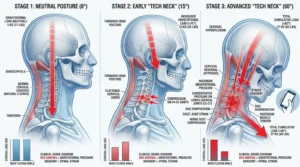
Forward head posture accelerates disc degeneration by shifting the heavy weight of your skull forward, multiplying the gravitational stress on your lower neck joints. For every inch your head drifts forward, an extra 10 pounds of pressure is added to your cervical spine.
If you spend hours hunched over a desk, consulting a bad posture chiropractor can help realign your cervical curve before degeneration accelerates. Correcting this posture immediately takes the crushing weight off your delicate spinal discs.
What Triggers Cervical Spondylosis Pain Episodes?
Sudden pain episodes are typically triggered by prolonged static positions, sudden awkward neck movements, or sleeping with improper spinal support. Your degenerated joints are highly sensitive to inflammation and sudden biomechanical shifts.
Common triggers for a sudden flare-up include:
- Binge-watching or gaming: Sitting for hours without stretching the neck muscles.
- Poor sleep ergonomics: Using pillows that are too high or too flat, forcing the neck out of alignment.
- Emotional stress: Causing you to unconsciously shrug and tense your upper shoulder muscles, compressing the neck.
Finding the Ideal Treatment for Cervical Spondylosis
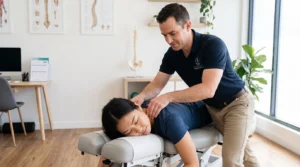
The ideal treatment for cervical spondylosis focuses on removing nerve interference and restoring proper joint motion through non-invasive therapies. Chiropractic care provides a highly effective alternative to risky surgeries and heavy pain medications.
What is the Effective Way to Relieve Cervical Spondylosis Tension?
A highly effective approach to managing acute cervical spondylosis tension involves targeted chiropractic therapies and soft tissue work, which can help improve joint mobility and reduce nerve irritation. By gently improving the mobility of the cervical vertebrae, a chiropractor can help alleviate the mechanical tension contributing to your pain.
Once the joints are moving freely again, the surrounding muscle spasms will naturally begin to relax. This hands-on approach tackles the mechanical source of the tension rather than simply masking the symptoms.
How Do You Fix Cervical Spondylosis Biomechanics?
You fix the biomechanics of cervical spondylosis by realigning the cervical spine, restoring the natural neck curve, and strengthening the surrounding supporting muscles. This requires a comprehensive approach that looks at your entire spinal column, not just the painful area.
A tailored chiropractic treatment plan will typically include:
- Specific cervical adjustments: To improve joint mobility and reduce nerve irritation.
- Postural correction exercises: To retrain the muscles that hold your head upright.
- Ergonomic lifestyle changes: To ensure your daily habits support a healthy spinal curve.
Can Cervical Spondylosis Go Away With Chiropractic Adjustments?
While the structural wear of cervical spondylosis cannot be completely reversed, chiropractic care can significantly reduce pain and help optimise your spinal mechanics, supporting your overall neck health. You cannot magically erase bone spurs, but you can restore normal function so the condition no longer bothers you.
By keeping the spinal joints properly aligned and moving smoothly, chiropractic care prevents the discs from wearing down further. Many patients experience a full return to their active lifestyles and remain pain-free with regular maintenance care.
Knowing Exactly What to Avoid if You Have Cervical Spondylosis
Knowing what to avoid with cervical spondylosis involves eliminating activities that force your neck into extreme flexion, extension, or heavy compression. Protecting your neck from further injury is just as important as receiving clinical treatments.
What Not to Do With Cervical Spondylosis at the Gym?
Rather than strictly avoiding all heavy lifting, which can lead to further muscle weakness, it is often advisable to modify movements like overhead presses or barbell back squats if they exacerbate your symptoms.
A trained practitioner can guide you through physical therapy and modified exercises to safely strengthen your supporting muscles without aggravating your neck. These heavy loads can compress the already thinned discs in your neck, triggering severe nerve pain.
Instead of heavy spinal loading, focus on these safer alternatives:
- Seated or supported exercises: Use machines that support your back and neck.
- Resistance bands: Great for building upper body strength without spinal compression.
- Core stabilisation: A strong core naturally improves your overall posture and takes the strain off your neck.
What Should I Avoid if I Have Cervical Spondylosis at Work?
At work, you should completely avoid looking down at a laptop screen for extended periods and holding your phone between your ear and shoulder. These asymmetrical and forward-leaning postures place immense, uneven strain on the worn joints in your cervical spine.
Always raise your computer monitor to eye level so your head rests neutrally over your shoulders. Additionally, switch to a hands-free headset or earphones to prevent awkward neck craning during long calls.
What is the Best Sleeping Position for Cervical Spondylosis?
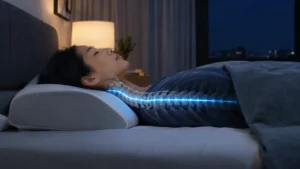
The best sleeping position for cervical spondylosis is on your back with a supportive orthopaedic pillow that maintains the natural curve of your neck. Sleeping on your stomach is the absolute worst position because it forces your neck into a sharp, twisted angle for hours.
If you prefer sleeping on your side, ensure your pillow is thick enough to keep your nose perfectly aligned with your sternum. Proper nighttime spinal alignment allows your discs to rehydrate and heal while you rest.
Taking the Next Step: Professional Chiropractic Care in Singapore
Professional chiropractic care addresses the mechanical breakdowns in your spine, allowing your body to heal naturally without invasive procedures. Taking proactive steps today can save you from decades of chronic pain and limited mobility.
When Should You See a Chiropractor for Neck Degeneration?
You should see a chiropractor for neck degeneration as soon as you experience chronic neck stiffness, frequent headaches, or any abnormal tingling sensations in your arms and hands. Waiting until the pain becomes unbearable only gives the structural degeneration more time to worsen.
Schedule Your Spinal Assessment Today
Taking early action is the most effective way to prevent permanent nerve damage and restore your quality of life. An in-depth chiropractic examination will pinpoint exactly where your cervical spine is failing and provide a clear roadmap for recovery.
Don’t let nerve compression dictate your life, book your spinal assessment with a trusted chiropractor in Singapore today. Our team is ready to help you rebuild your spinal health and return to living pain-free.