
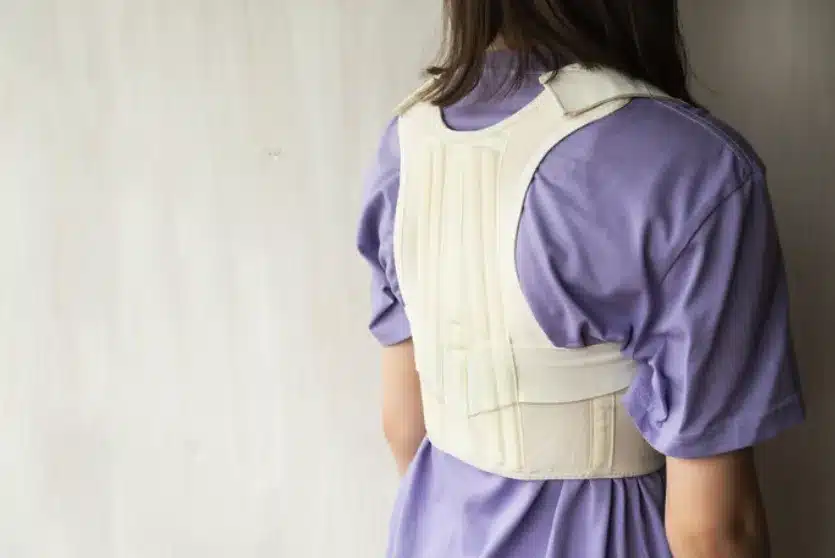
While a posture corrector offers helpful tactile feedback and short-term relief from slouching at work or during long commutes, it cannot permanently fix underlying spinal restrictions or build long-term muscle endurance. For lasting structural correction, devices must be paired with active rehabilitation, ergonomics adjustments, or a professional assessment.
Whether you spend long hours hunched over a laptop at a co-working space in Orchard or commute daily on the MRT with your neck craned over your phone, poor posture is likely affecting your body in ways you have not yet noticed. In Singapore’s fast-paced work culture, spinal health often takes a back seat.
Why Poor Posture Has Become a Serious Health Concern in Singapore
Modern sedentary lifestyles contribute significantly to musculoskeletal concerns in Singapore. Long hours of sitting, repetitive screen time, and sub-optimal posture frequently contribute to the physical strain and discomfort commonly seen in everyday clinical practice. Over time, habitual forward slumping can alter the natural alignment of the spine. This may lead to neck and shoulder discomfort, reduced mobility, and chronic tension that can impact daily productivity and overall well-being.
What a Posture Corrector Actually Does (and What It Cannot)
A posture corrector is a wearable device, typically a brace, strap, or vest, designed to physically reposition your shoulders, upper back, or lumbar spine into better alignment. It works by providing external feedback to your body, reminding muscles to hold a particular position.
Here is What a Posture Corrector Genuinely Helps With:
- Creates tactile awareness: Acts as a physical alarm when you begin to slouch.
- Provides temporary relief: Alleviates acute strain on overstretched back muscles.
- Encourages chest expansion: Helps open the chest for better breathing while seated.
- Serves as a habit-builder: Trains your brain to recognise what proper alignment feels like.
Here is What It Cannot Do On Its Own:
- Permanently fix spinal alignment: It cannot correct underlying joint restrictions.
- Strengthen core muscles: Passive support does not build the muscular endurance needed for posture.
- Cure chronic pain: It acts as a band-aid rather than addressing the structural root cause.
- Reverse deep tissue adaptations: It cannot instantly lengthen muscles that have shortened over years of sitting.
Think of a posture corrector the same way you would think of a cast on a sprained wrist. It stabilises and supports, but the healing and strengthening must come from active rehabilitation alongside it. Wearing one for more than 2 to 3 hours at a stretch without breaks can actually cause muscles to become dependent on the support, weakening over time.
Types of Posture Correctors Available in Singapore
The Singapore market offers a wide range of posture correctors, from budget options on Shopee and Lazada to clinical-grade devices sold through physiotherapy clinics and chiropractic centres. Understanding the differences will help you avoid wasting money on a product that does not suit your needs.
| Type | Best For | Price Range (SGD) | Wearability |
|---|---|---|---|
| Upper back brace (figure-8 strap) | Rounded shoulders, mid-back pain | $15 to $50 | Under clothing, discreet |
| Full back support vest | Lower and upper back combined | $60 to $150 | Bulkier, better for home use |
| Posture corrector shirt | Mild correction, all-day wear | $80 to $200 | Worn as a base layer |
| Smart posture device | Tech-savvy users, office workers | $80 to $250 | Clips to collar or upper back |
| Lumbar support belt | Lower back pain, driving | $30 to $100 | Wraps around the waist |
Figure-8 Straps

These simple, elasticated harnesses loop around the shoulders to gently pull them back. They are highly affordable and discreet enough to wear under work clothes. However, they rely heavily on passive support and are best used only for short intervals to avoid muscle dependency.
Smart Posture Devices
Rather than physically holding you in place, these small sensors clip to your upper back or collar. They vibrate gently whenever you slouch past a certain angle, training your brain to actively engage your muscles. They are excellent for long-term habit building without causing muscle weakness.
Posture Corrector Shirts
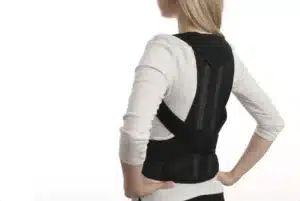
These compression-style garments use built-in elastic panels to guide the shoulders and upper back into position. They are ideal for Singapore’s warm and humid climate because they are worn as everyday clothing rather than as an additional base layer, though they do come at a higher price point.
How to Use a Posture Corrector Correctly
Buying a posture corrector is only half the equation. Many residents in Singapore purchase one, wear it incorrectly, and then report that it “did not work.” Following these steps will help you get the most benefit from any device you choose.
- Start with short intervals: Wear the corrector for just 20 to 30 minutes a day initially to let your body adapt.
- Use it during high-risk activities: Put it on when you are most likely to slouch, such as working at your laptop or scrolling on your phone.
- Ensure a snug, but not painful, fit: The device should gently resist your slouch, not forcefully pull your joints or cut off circulation.
- Gradually increase wear time: Slowly build up to a maximum of 2 to 3 hours a day, but never wear it all day long.
- Actively engage your muscles: Do not simply lean into the support; use the corrector as a cue to flex and hold your own posture.
- Take regular movement breaks: Take the brace off and stretch every 45 minutes to keep your joints mobile and muscles active.
- Pair with strengthening exercises: Always combine the use of a corrector with targeted core and back workouts to build natural support.
When to See a Professional Instead of Relying on a Device
A posture corrector is not appropriate for every situation, and some bad postural problems require professional assessment before any device is worn. If you are experiencing any of the following, consult a chiropractor, physiotherapist, or orthopaedic specialist in Singapore before purchasing a corrector:
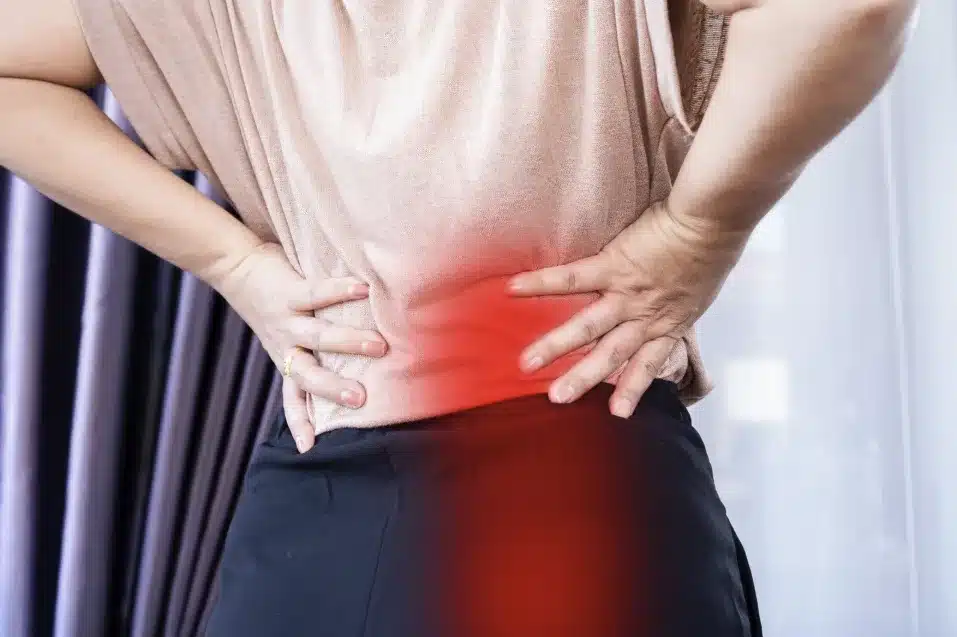
- Persistent neck or back pain lasting more than two to three weeks
- Numbness, tingling, or weakness in the arms or legs
- Pain that radiates from the neck into the shoulders or from the lower back into the legs
- A visible asymmetry in your shoulders or hips that has developed over time
- Previous spinal injuries, surgeries, or diagnosed conditions such as scoliosis or disc herniation
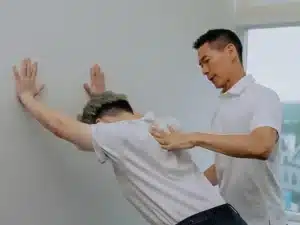
In these cases, wearing the wrong type of posture corrector can aggravate an underlying problem rather than help it. A registered chiropractor or physiotherapist in Singapore can conduct a thorough postural assessment, identify the root cause of your symptoms, and recommend whether a device is appropriate as part of any treatment plan.
Building Habits That Reduce Dependence on a Posture Corrector (Actionable 4-Week Plan)
To get your body back into balance, following a simple weekly plan usually gives you the most reliable results and prevents you from becoming dependent on a physical brace:
Week 1: Assessment and Ergonomics: Audit your daily workspace setup. Adjust your monitor to eye level and ensure your feet sit flat on the floor. If you choose to use a physical posture corrector, limit its use to one or two hours daily.
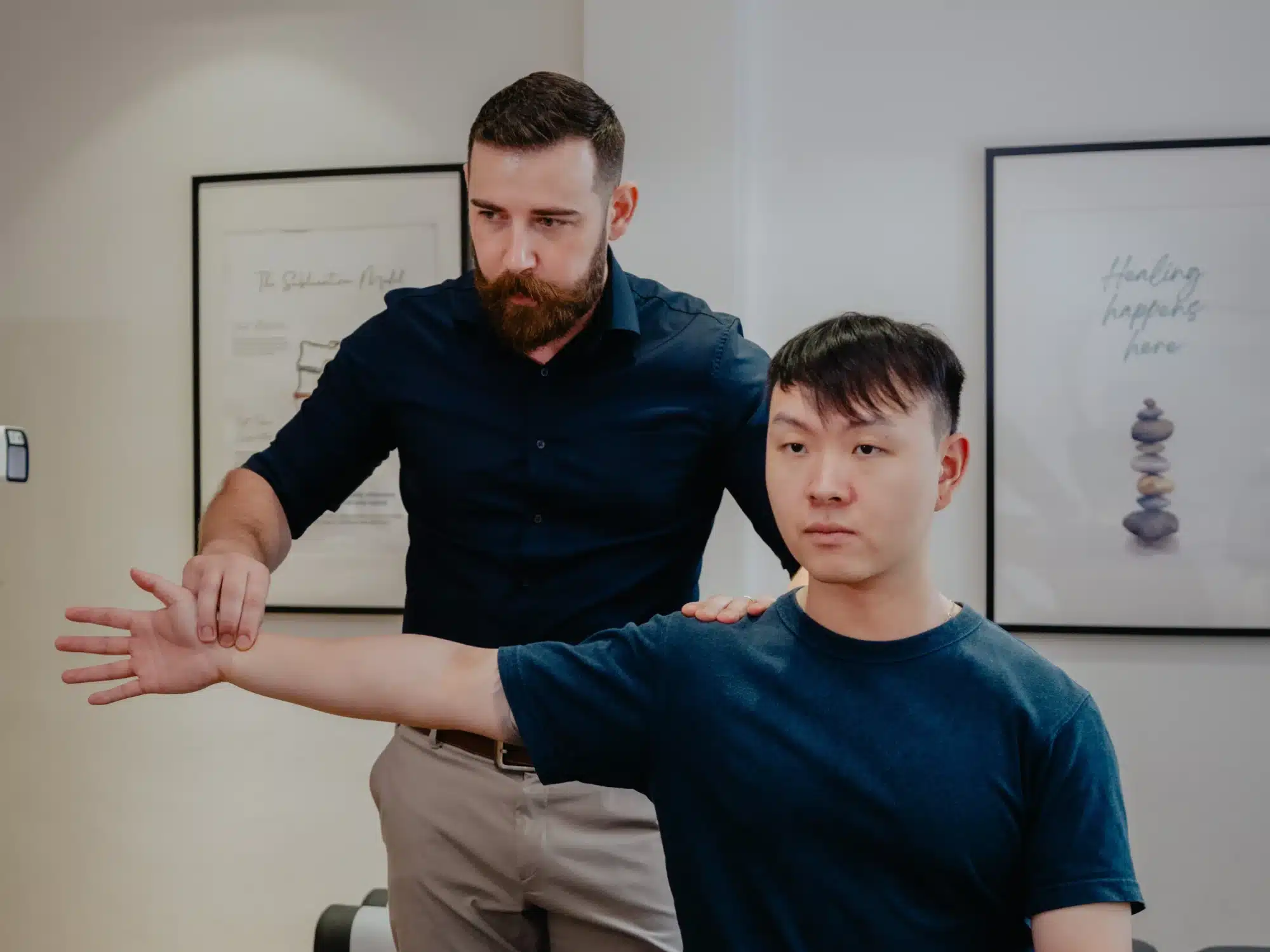
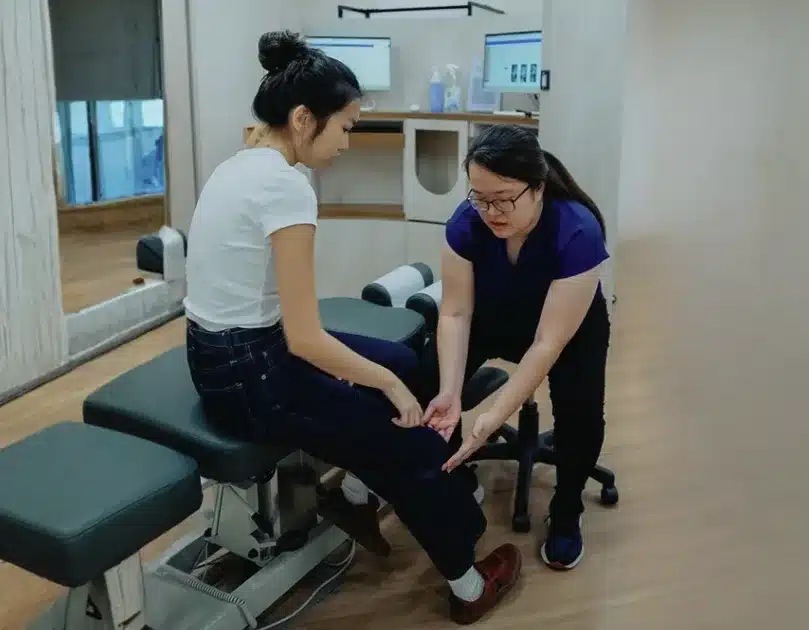
Week 2: Introduce Professional Assessment: Visit a practitioner to identify specific joint restrictions. A professional look can pinpoint exactly where your spine requires support, ensuring you target the root cause.
Week 3: Active Strengthening: Begin a daily ten-minute routine of targeted posture correction methods, such as wall angels and basic planks, to develop your body’s natural muscular support.
Week 4: The Integrated Habit: Maintain your home exercises while scheduling periodic sessions for professional care to ensure your joints remain mobile as your muscles grow stronger.
Key Takeaways
- A posture corrector in Singapore works best as a short-term support tool, combined with active exercise and ergonomic adjustments, rather than as a standalone solution.
- There are five main types to consider: figure-8 straps, support vests, posture shirts, smart devices, and lumbar belts, each suited to different needs and budgets.
- Start with 20 to 30 minutes of wear daily and increase gradually, never relying on the device for full workdays at a stretch.
- If you have pain lasting more than two to three weeks, numbness, or radiating symptoms, see a professional before buying any device.
- Long-term postural improvement requires strengthening weak muscles, improving ergonomics, and taking regular movement breaks, all of which must accompany any corrector you use.
- Singapore-specific factors such as heat, humidity, and MRT commuting posture make breathable materials and awareness-based devices particularly worth considering.
FAQ
Q: How long does it take to see results from using a posture corrector in Singapore?
Most users notice reduced muscle tension within two to four weeks of consistent, short daily use combined with active exercises.
Q: Can I wear a posture corrector all day while working in an office?
No, wearing a posture corrector all day is not recommended and can cause muscle dependency and skin irritation.
Q: Which posture corrector is best for working from home in Singapore?
For home use, a smart vibration-based device or a full back support vest tends to offer the best combination of comfort and postural training.
Q: How can I find the best posture corrector in Singapore?
The most reliable method involves identifying the root of your structural issues through a professional evaluation and active strengthening exercises. Elastic braces act as short-term learning tools, but clinical guidance ensures you select the correct aid for your specific imbalance.
Q: Can poor posture be corrected at any age?
Yes, spinal alignment can be improved at almost any stage of life. Although younger individuals often see changes faster because their joints are inherently more pliable, older adults frequently achieve excellent improvements in mobility and comfort with targeted care and lifestyle adjustments.
Take Control of Your Spinal Health
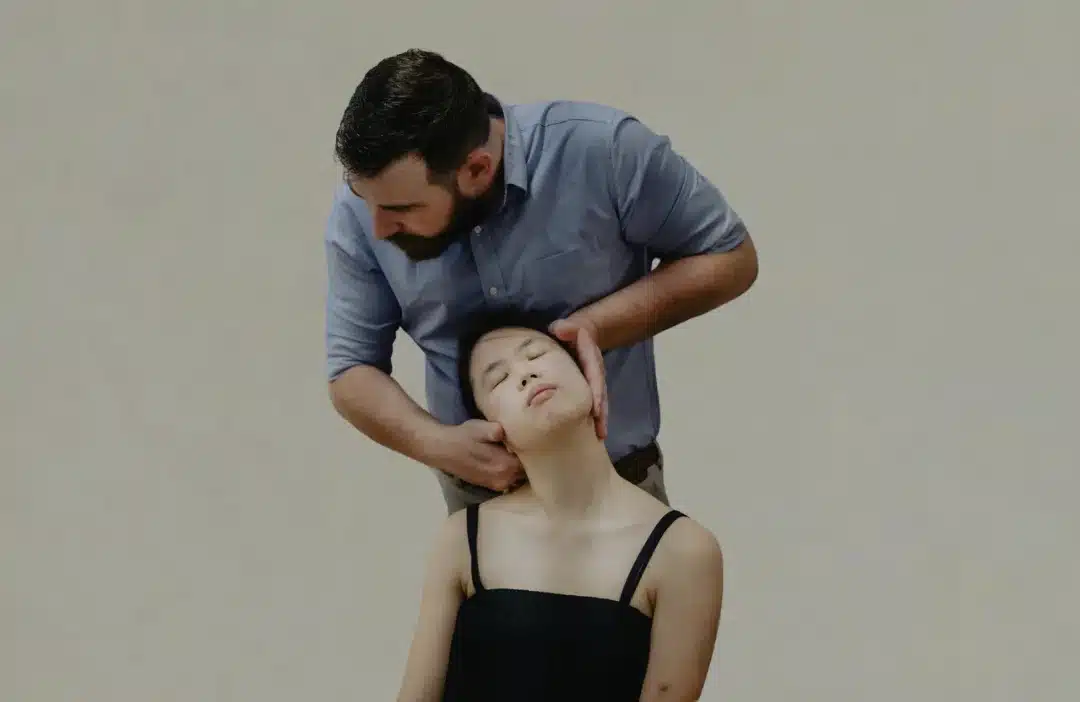
Real, lasting change requires moving away from temporary retail fixes toward a solid structural foundation. A physical brace might serve as a great daily reminder, but addressing the structural imbalances pulling you into a slouch takes dedicated, professional care. If you want to learn more about tailored solutions for your body, visit our Booking Page to arrange a professional assessment and start building a healthier, more balanced alignment strategy today.


 Simple, no-pressure, and already trusted by Singaporeans.