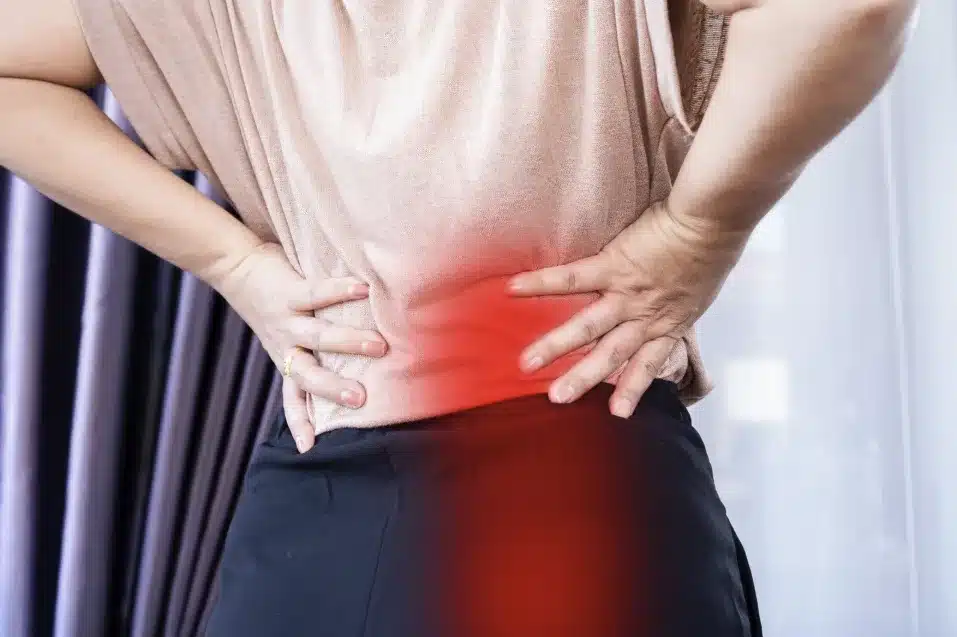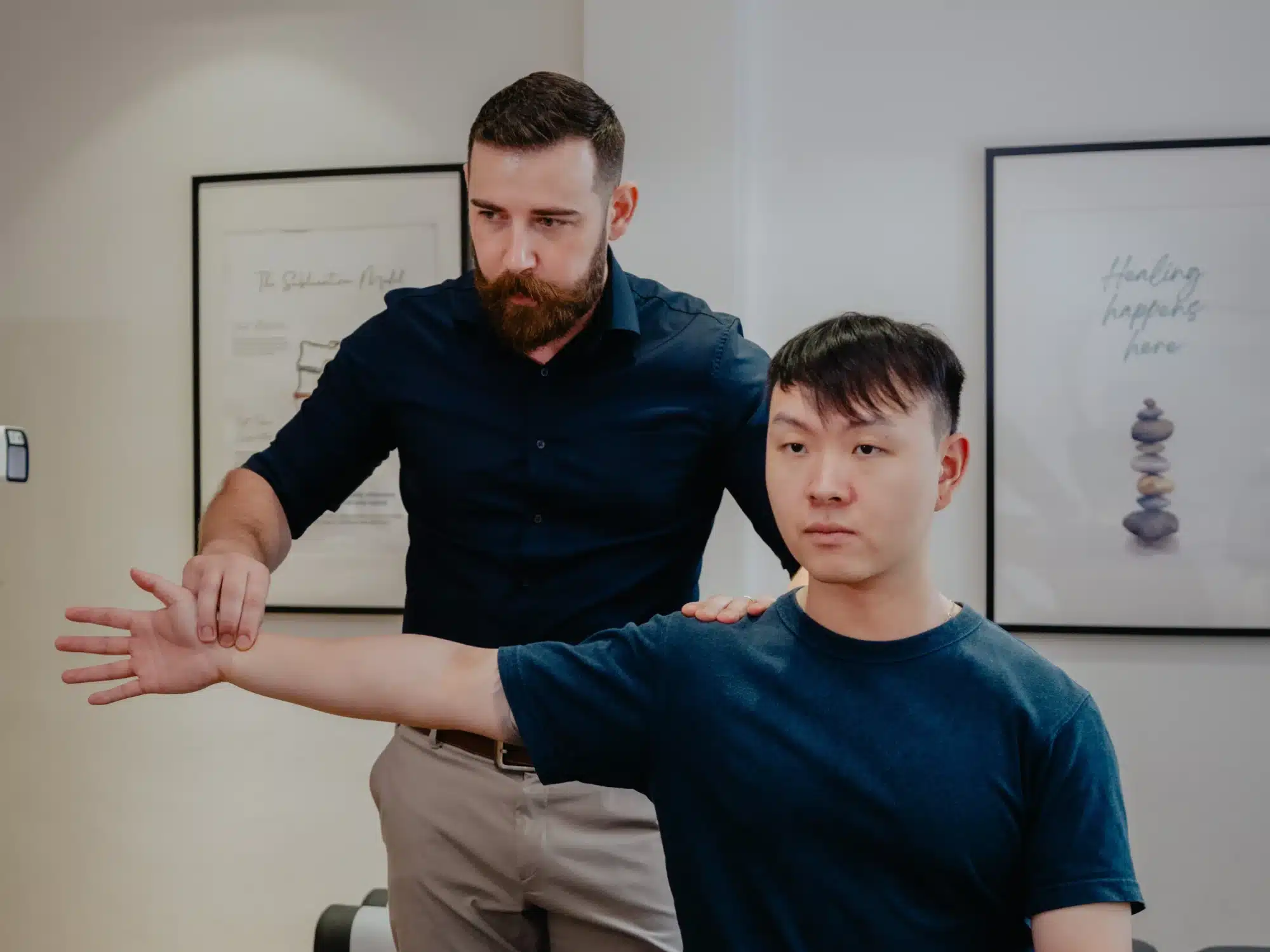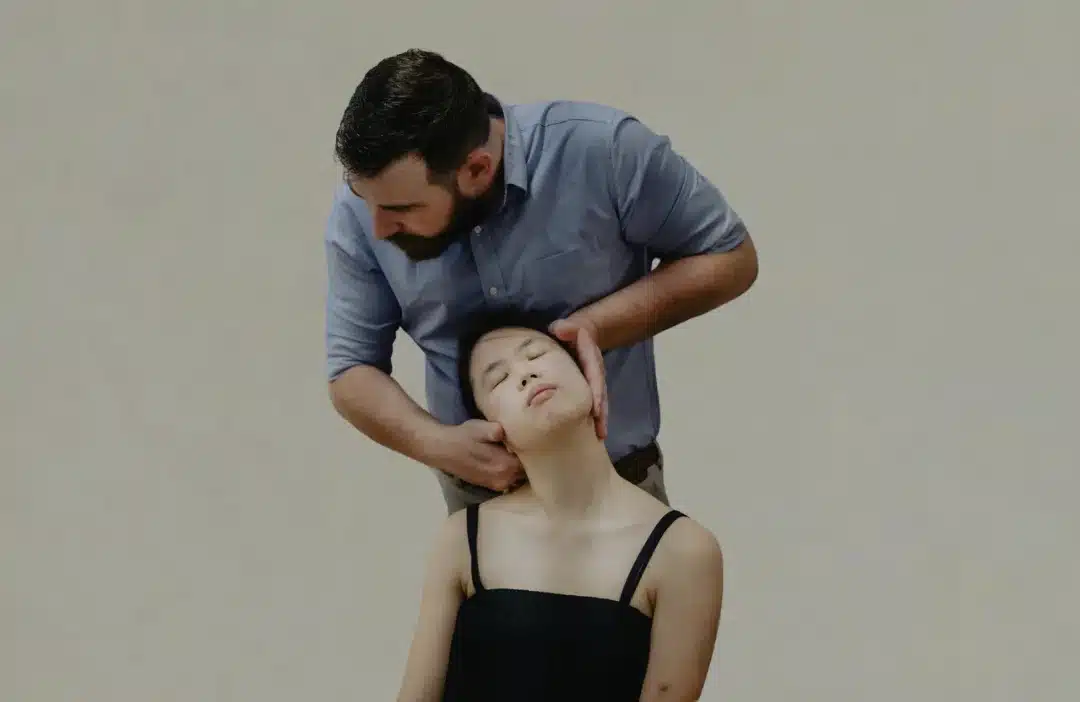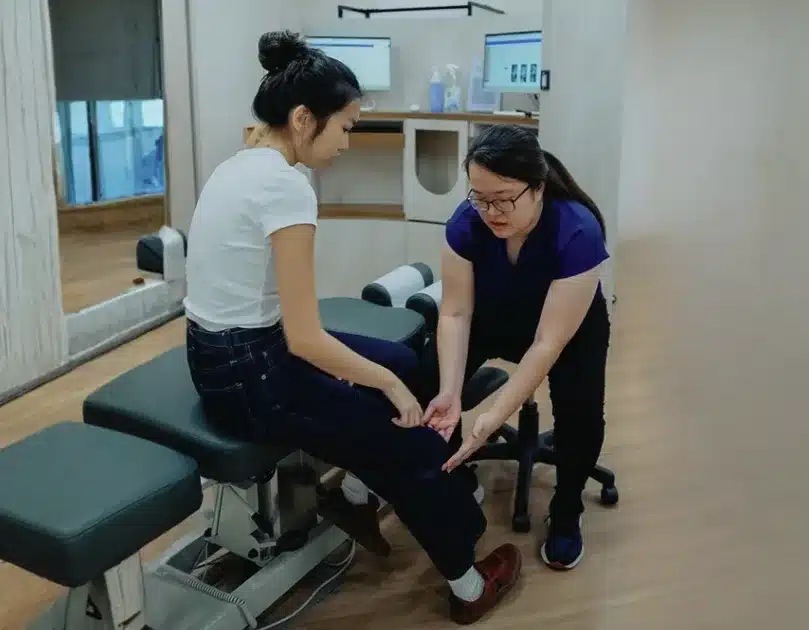
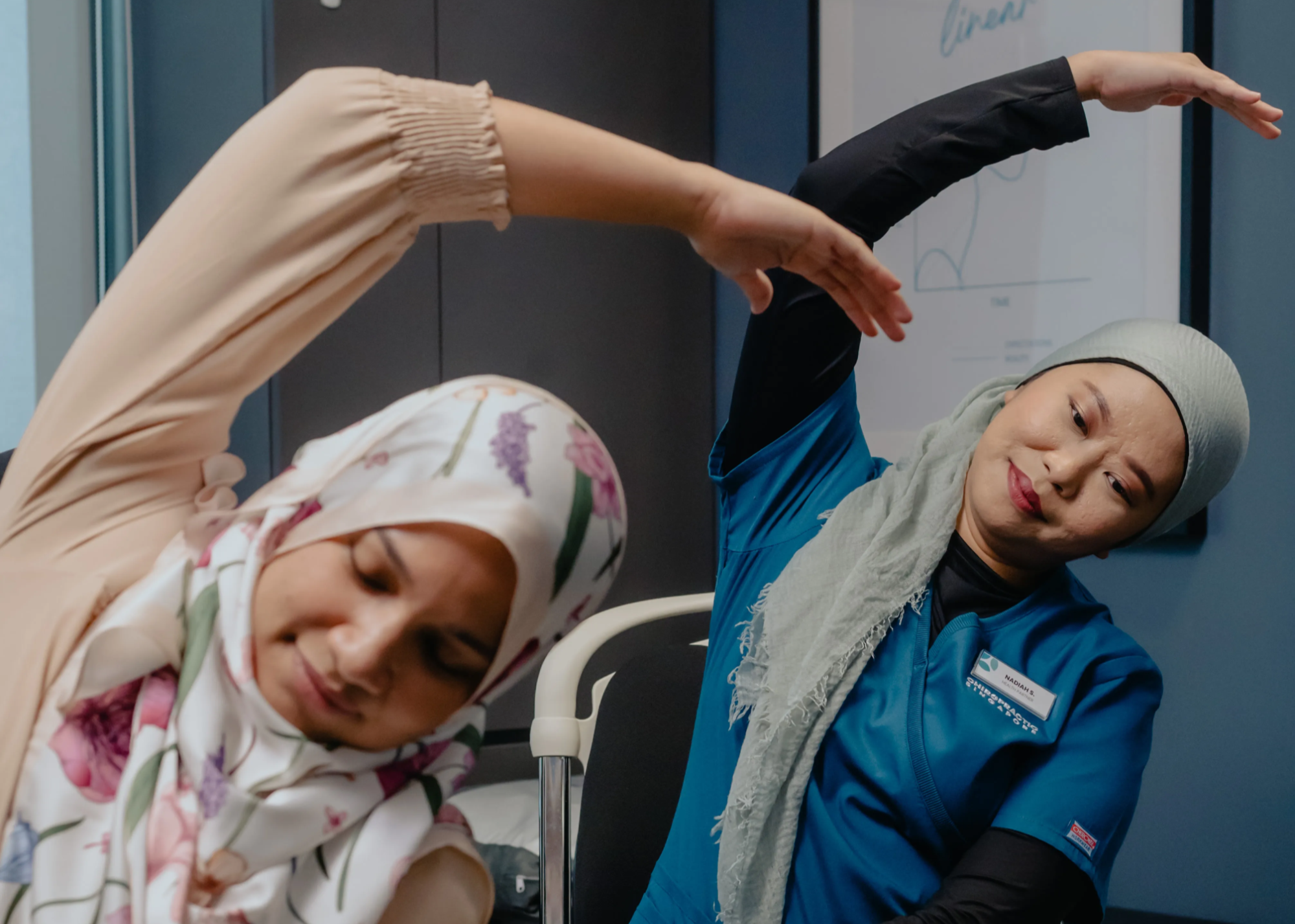
Long hours at a desk often lead to stiff shoulders and a tight lower back. If you’re also training hard at the gym, your hamstrings are probably feeling the strain as well. In the search for relief, many are turning to a popular trend: assisted stretching in Singapore.
Before booking a session at a stretch clinic, it’s important to understand how the treatment works and what it can’t fix. You also need to know if your muscle tightness is actually a warning sign of a deeper structural issue.
What is Stretch Therapy?
Stretch therapy is a targeted approach where a specialist helps your body reach a deeper stretch than you can achieve alone. Unlike a standard post-workout stretch, this practice uses specialised tables and straps to move your body. It aims to boost your flexibility while providing quick relief from muscle stiffness.
Types of Stretch Therapy Available

There are several variations of stretching services available today, each focusing on slightly different techniques:
- Assisted Stretch Therapy: This technique involves a practitioner moving your limbs through various ranges of motion. By applying gentle pressure, they help your muscles relax and lengthen.
- Fascial Stretch Therapy (FST): This technique focuses on the fascia, which is the connective tissue surrounding your muscles and joints. It goes deeper than just stretching the muscle belly itself.
- Stretch Massage / Massage and Stretch: Some practitioners combine traditional massage with active stretching. This helps warm up your tissues before they are safely elongated.
Does Stretch Therapy Actually Work?
Yes, for temporary relief and flexibility gains, stretch therapy can be highly effective. “Having a professional guide your body through a deep stretch feels great. It can also provide an immediate sense of relief from muscle tightness. It is an excellent way to down-regulate the nervous system and give your muscles a much-needed break from daily compression.
Stretching sessions provide great temporary relief, but many people find their tightness coming back after a few days. The reason is simple: stretching targets the symptoms instead of the actual cause.
When Stretch Therapy Isn’t Enough
If you find yourself constantly needing to stretch the same tight muscles over and over again, it is time to look deeper.
Tight muscles often indicate spinal misalignment. Muscles attach to your skeleton. When your spine or pelvis is out of alignment, your body reacts by tightening certain muscles. These muscles act as ‘splints’ to stabilise your frame and prevent further injury.
In this scenario, aggressively stretching those tight muscles is actually counterproductive. You are stretching away the very tension your body is using to protect an unstable spine. Until you fix the underlying structural misalignment, the tension will always come back.
Why Exercise Prescription + Chiropractic Care is Better Long-Term
This is where Chiropractic Singapore steps in. Rather than just temporarily lengthening tight muscles, we focus on treating the root cause of your discomfort.
Through precise chiropractic adjustments, we correct the structural misalignments in your spine and joints. When your body is back in alignment, your muscles can stop overcompensating. As a result, the chronic tightness you’ve been feeling will naturally dissipate.
We then pair this with customised Corrective Exercise Prescription. By strengthening weak muscles and correcting how you move, we help your body hold its alignment. The result is long-term mobility and a life without chronic pain.
Stretch Therapy vs. Corrective Exercise Prescription
While both modalities aim to improve how your body moves, their approaches are fundamentally different:
- The Approach: Stretch therapy is passive (someone does it to you). Corrective Exercise Prescription at Chiropractic Singapore is active (we teach your body how to support itself).
- The Goal: Stretching aims to elongate tight tissues for short-term relief. By combining chiropractic care with corrective exercise, we stabilise your joints and balance your nervous system. This addresses the actual mechanical cause of your stiffness.
- The Result: Stretching requires ongoing maintenance to manage symptoms. CSG’s comprehensive approach empowers you with long-term structural health and independence.
If you are tired of temporary fixes and want to truly resolve your chronic stiffness, it is time to look beyond the muscle and focus on the structure beneath it.