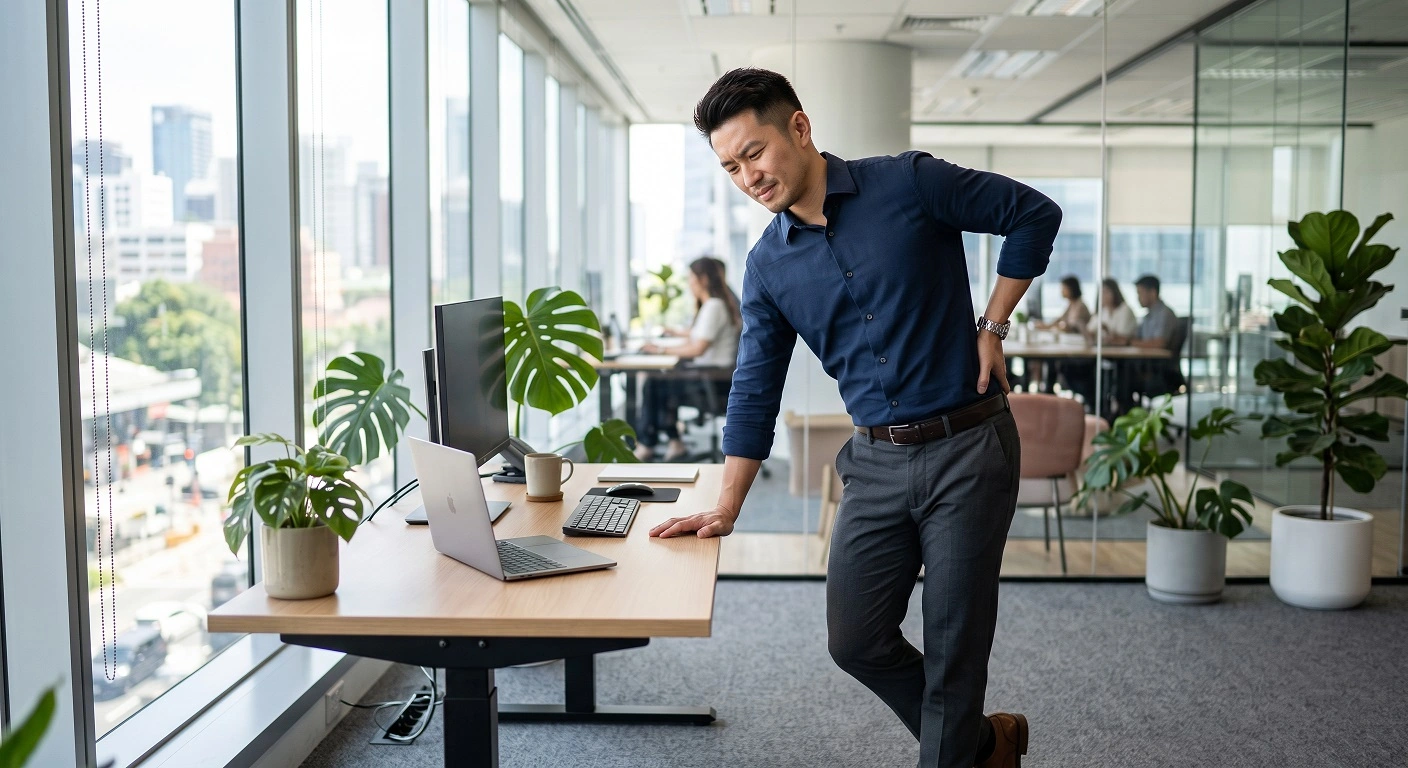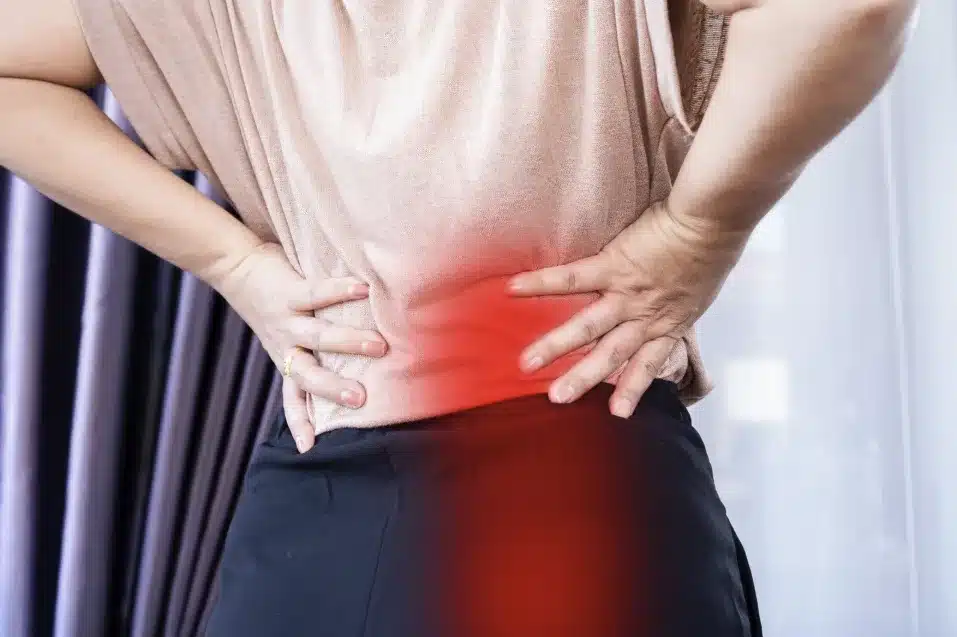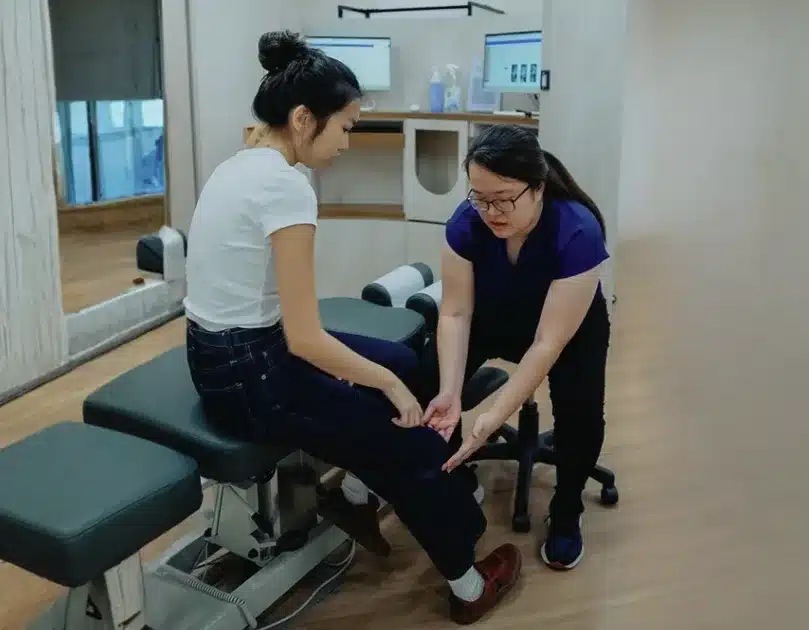
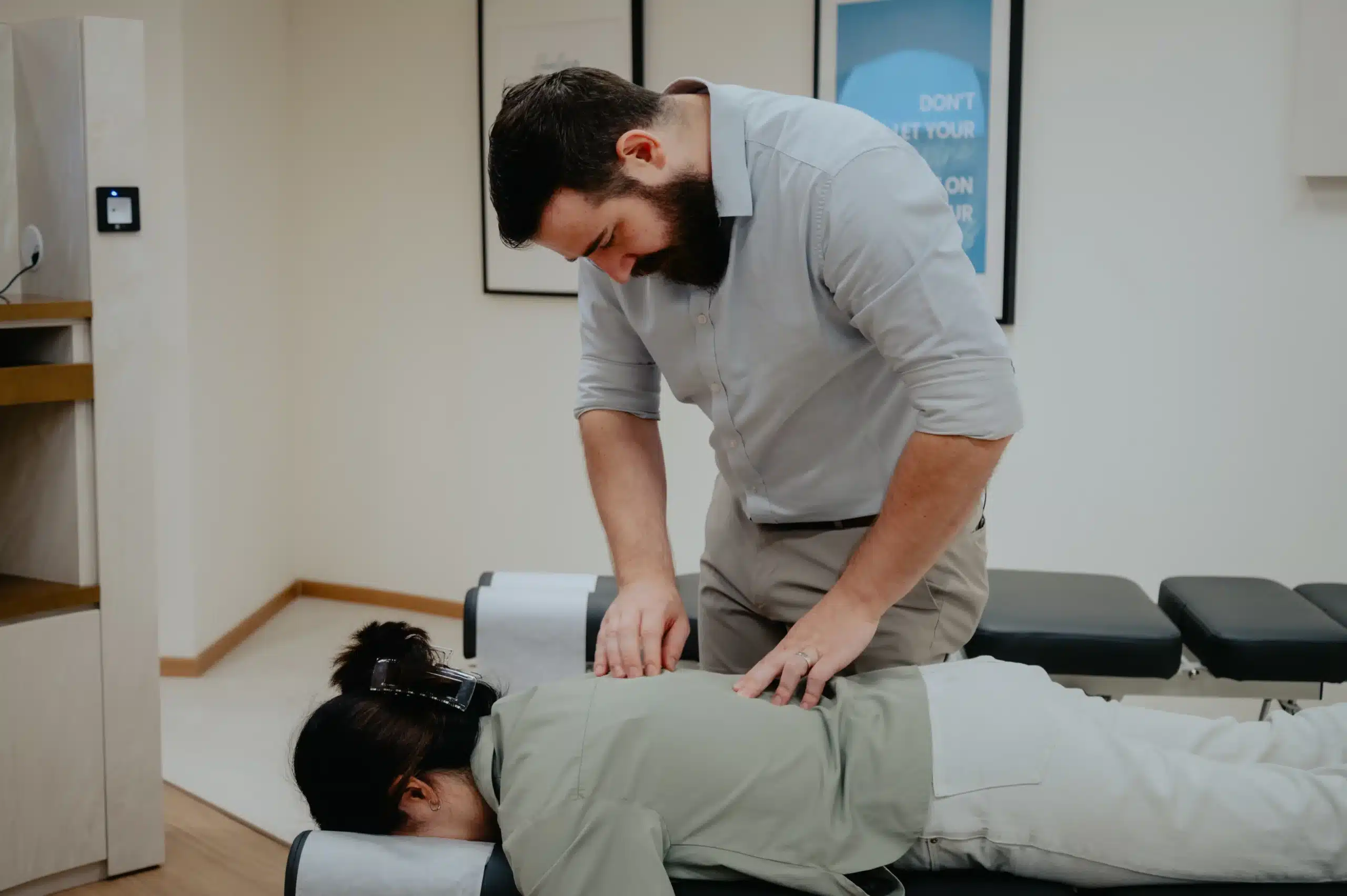
Persistent back pain often disrupts work and daily activities in Singapore. For many, finding an effective back pain treatment involves moving beyond temporary relief like ointments or medication. Non-surgical spinal decompression is a drug-free alternative designed to address the mechanical causes of spinal discomfort.
What is Spinal Decompression?
Spinal decompression is a traction-based therapy designed to gently stretch the spine and relieve pressure on compressed discs and nerves.
There are two main types:
- Non-surgical (mechanical) spinal decompression: Performed on a motorised table, this gently pulls and releases the spine in a controlled rhythm.
- Surgical spinal decompression: A more invasive option for severe structural problems, involving procedures like laminectomy or discectomy.
Chiropractic care offers the non-surgical option. This therapy works by creating negative intradiscal pressure. This may allow bulging or herniated disc material to retract gradually, and encourages nutrient-rich fluids to return to the disc. Over a course of sessions, this process is thought to support the disc’s natural capacity to recover.
Who Can Benefit from Spinal Decompression?
This approach is specifically used as a slipped disc treatment and for managing other mechanical spine issues. It is often recommended for patients who have not responded to basic rest. Common conditions include:
- Herniated or bulging discs
- Degenerative disc disease
- Sciatica (leg pain)
- A pinched nerve in the neck or lower back
- Worn spinal joints (facet syndrome)
Expected Results from Spinal Decompression
Patients can usually expect a gradual reduction in pain and improved mobility, though results depend on the severity of the spinal condition. A typical treatment involves 15 to 20 sessions over four to six weeks, though this varies depending on the condition and individual response. Some patients notice a shift within the first few sessions; others take longer.
Spinal decompression is likely to produce better outcomes when combined with complementary care, stretching, corrective exercises, and lifestyle adjustments all appear to support longer-term results.
Comparison Table: Spinal Decompression vs. Other Treatments
This is a comparison of spinal decompression with common approaches such as medication, general physical therapy and surgery, looking at potential benefits, risks and recovery times.
| Spinal Decompression | Medication | Physiotherapy | Surgery | |
|---|---|---|---|---|
| Invasiveness | Non-invasive | Non-invasive | Non-invasive | Highly invasive |
| Approach | Targets root cause | Manages symptoms | Supportive | Structural correction |
| Recovery time | Minimal | None | Minimal | Weeks to months |
| Side effects | Generally well tolerated | Possible dependency, GI issues | Low | Possible infection and complications |
| Best suited for | Disc-related conditions | General pain relief | Muscle-related issues | Structural failure |
Frequently Asked Questions about Spinal Decompression Therapy
Is spinal decompression safe?
Non-surgical decompression is considered safe for many patients. A clinical assessment is required first to ensure you do not have contraindications like fractures or advanced osteoporosis.
Is spinal decompression therapy painful?
The treatment should not be painful. Most people feel a stretching sensation in the spine. Practitioners can adjust the settings immediately if you feel any discomfort.
Who should avoid this treatment?
It is not suitable for pregnant women or individuals with spinal instability, severe nerve damage, or metal implants in the spine. Always disclose your full medical history during your consultation.
Can it help with a pinched nerve?
Yes. By increasing the space between the vertebrae, the therapy aims to reduce the pressure causing pinched nerve symptoms such as numbness or tingling.
Is it covered by insurance in Singapore?
Coverage varies between plans and providers. Patients are usually advised to check with their insurer directly regarding chiropractic and spinal decompression benefits.
Take the First Step Toward Better Health
If you are seeking a slipped disc treatment or a non-invasive way to manage chronic discomfort, an assessment is the first step. The chiropractors at Chiropractic Singapore can assess your spine, discuss your goals and walk you through the available options.