Your spine is critical for your health for two important reasons:
- Your spine is the structural strength and stability for your body
- Your spine protects your nervous system
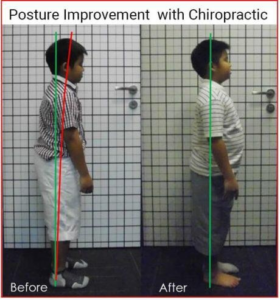
Your child’s posture is one of the most important indicators of their health, because their posture is a reflection of the health and alignment of your spine.
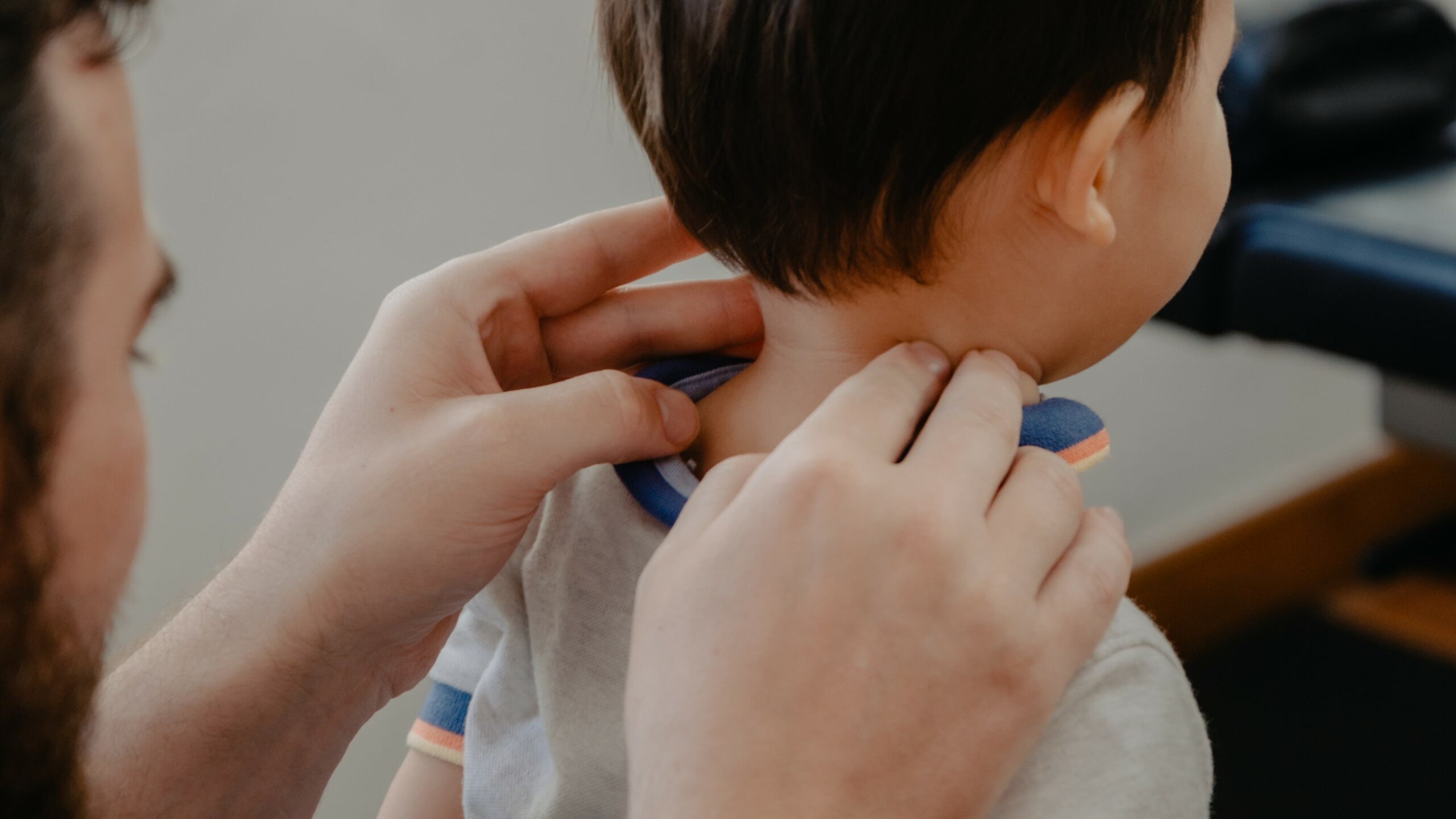
Chiropractic helps your child’s spine and body develop with proper alignment and posture. It also helps children cope with unforeseen bumps and falls of childhood, while keeping them flexible and strong as they grow.
The Bad Posture Checklist – Warning signs to look out for in your child’s posture
Instructions:
- Have your child stand normally in front of a blank wall.
- Have your child close his or her eyes.
- Have your child nod their head up and down.
- Have your child stop at their neutral position (still with their eyes closed).
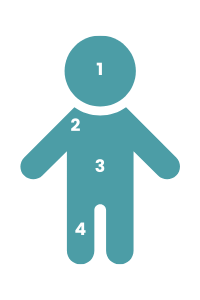
THINGS TO SEE:
(when checking from the FRONT)
- Head tilting to one side
- One shoulder is higher than the other
- Body slanting to one side
- Feet or knees are rotated
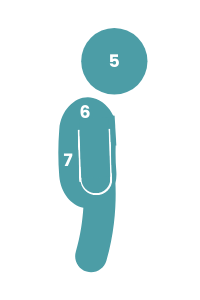
THINGS TO SEE:
(when checking from the SIDE)
1. Ears not aligned with shoulders
2. Shoulders rounded forwards
3. Excessive low back curve
Possible causes of bad posture:
- Poor work station ergonomics
- Bad posture habits for example, slouching when reading
- Carrying heavy backpacks
- Sports injuries
- Birth traumas
- Consistently looking down on mobile devices for a long period of time
- Mental stress
- Wrong posture when carrying heavy loads can lead to injuries
Damaging effects of bad posture:
Misalignment in the head and neck area can cause:
- Headaches
- Neck pain
- Vision or hearing problems
- Sinus or allergies
- Fatigue
- Trouble concentrating
- Irritability
Uneven shoulder or rounded shoulders can cause:
- Upper and mid back pain
- Asthma
- Digestive problems
Pronation/ Supination of foot can cause:
- Plantar fasciitis
- Knee pain
- Tendonitis
- Excessive uneven shoe wear
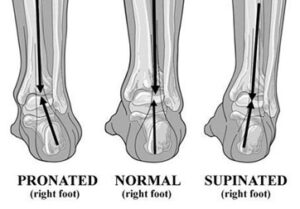
Examples of pronation (left), normal gait (middle), and under-pronation or supination (right)
If you would like to read more on bad posture and how chiropractic can help, click here.
When children feel pain or discomfort, they may not voice it out or know what is causing the pain. If you see any of the warning signs above in your child, it is very likely they have a spine problem. Spinal problems in children can lead to major health challenges as they grow and develop. Early detection and addressing of spine problems will help your child to grow to their full potential.