

At Chiropractic Singapore, we understand that pain management is not a one-size-fits-all journey. Whether you’re dealing with everyday aches, recovering from an injury, or navigating persistent discomfort, we believe that finding the right kind of care makes all the difference.
Pain — whether acute or long-term — can affect your work, movement, mood, and even relationships. That’s why we take a supportive, structured, and personalised approach to help your body move better, feel better, and function at its best.
We’re not a pain management clinic in the traditional medical sense. We don’t prescribe medication or provide invasive treatments. Instead, we focus on helping you address the underlying physical factors — like poor posture, joint restrictions, and muscular imbalances — that may be contributing to your discomfort.
If you’re exploring holistic options for managing pain, we invite you to learn how chiropractic care can complement your path to better mobility and a better quality of life.
Bone Pain Management — Is “Bone Pain” Actually in the Bones?
The term bone pain management can be misleading. Often, what feels like “bone pain” may actually be referred discomfort from surrounding joints, ligaments, muscles, or nerve tension.
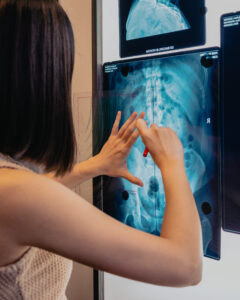
At Chiropractic Singapore, we focus on identifying movement issues and postural imbalances that could be placing unnecessary strain on your skeletal system. By gently supporting your spinal alignment and joint mobility, chiropractic care can help reduce the physical stress contributing to that
“deep ache” you may be feeling.
We use safe, low-force techniques and work closely with each individual to understand where their discomfort is coming from — and how to support their body’s ability to move and adapt more effectively.
Common concerns we see include:
- Discomfort around the shoulder blades or upper back
- Hip and pelvic stiffness
- Pressure or soreness in the knees and ankles
- Mid-to-lower back aches that worsen with prolonged sitting
Management of Chronic Low Back Pain — A Growing Concern in Singapore
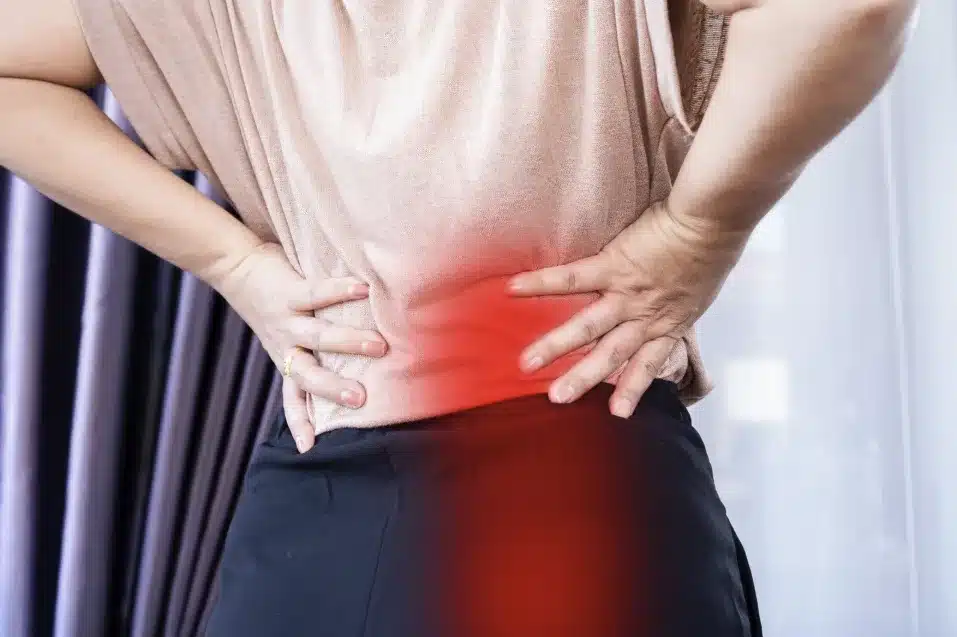
Chronic low back pain is one of the most common reasons people visit us. If you’ve been living with low back discomfort for weeks, months, or even years, you’re not alone — and we understand how draining that experience can be.
Our approach to the management of chronic low back pain is not just about quick relief. It’s about helping you understand what’s contributing to the discomfort and guiding your body toward better movement and stability.
What we often find:
- Poor postural habits from prolonged desk work or mobile use
- Limited joint mobility in the spine or pelvis
- Weakness or compensation patterns in supporting muscles
Through chiropractic adjustments, movement strategies, and posture-focused education, we help you build a more stable foundation — so your body can handle daily demands with less strain.
Pain Management in Fracture Recovery — Where Chiropractic Care Fits In
When it comes to pain management in fracture recovery, chiropractic care may not be the first step — but it can play a supportive role once the initial healing phase has passed.

We do not work directly on fractured areas, and we never begin care without a full understanding of your
medical history or imaging. However, many individuals find value in chiropractic care once they are cleared for gentle movement and support.
Here’s how we may help:
- Supporting compensating areas of the body during recovery
- Improving mobility after immobilisation (e.g. after wearing a cast or sling)
- Supporting better posture to reduce new areas of strain
- Helping the body restore balance and movement after uneven load-bearing
- Supporting the body’s natural alignment to reduce the risk of re-injury
If you’re unsure whether chiropractic care is suitable after a fracture, we encourage you to speak with your primary care provider — and we’re happy to discuss your case once you’ve been cleared for non-invasive care.
We’re Not Just Any Pain Management Clinic
You might be searching for a pain management clinic that offers a variety of medical services — and those definitely have their place. But at Chiropractic Singapore, we offer something a little different.
We take a proactive, rather than reactive, approach to pain — one that empowers you to move better and

feel more supported in your daily life.
What we don’t do:
- We don’t rely on medications to mask discomfort
- We don’t use injections or invasive procedures
- We don’t deliver passive, one-size-fits-all programmes
What we focus on instead:
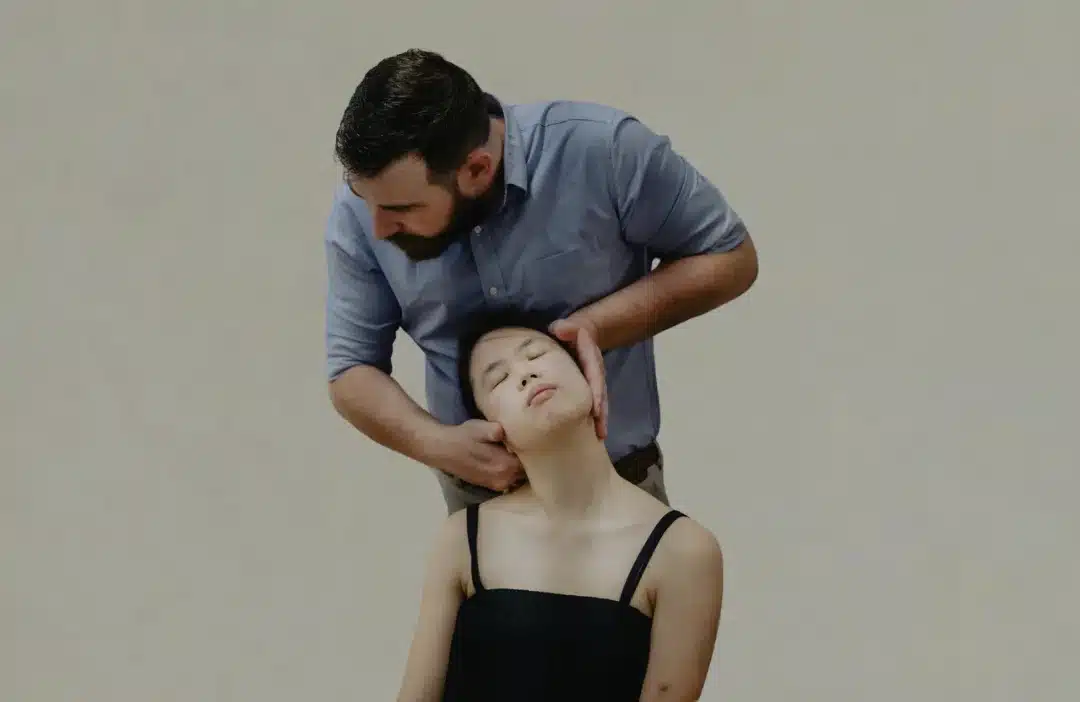
- Gentle, non-invasive chiropractic adjustments that support joint function and mobility
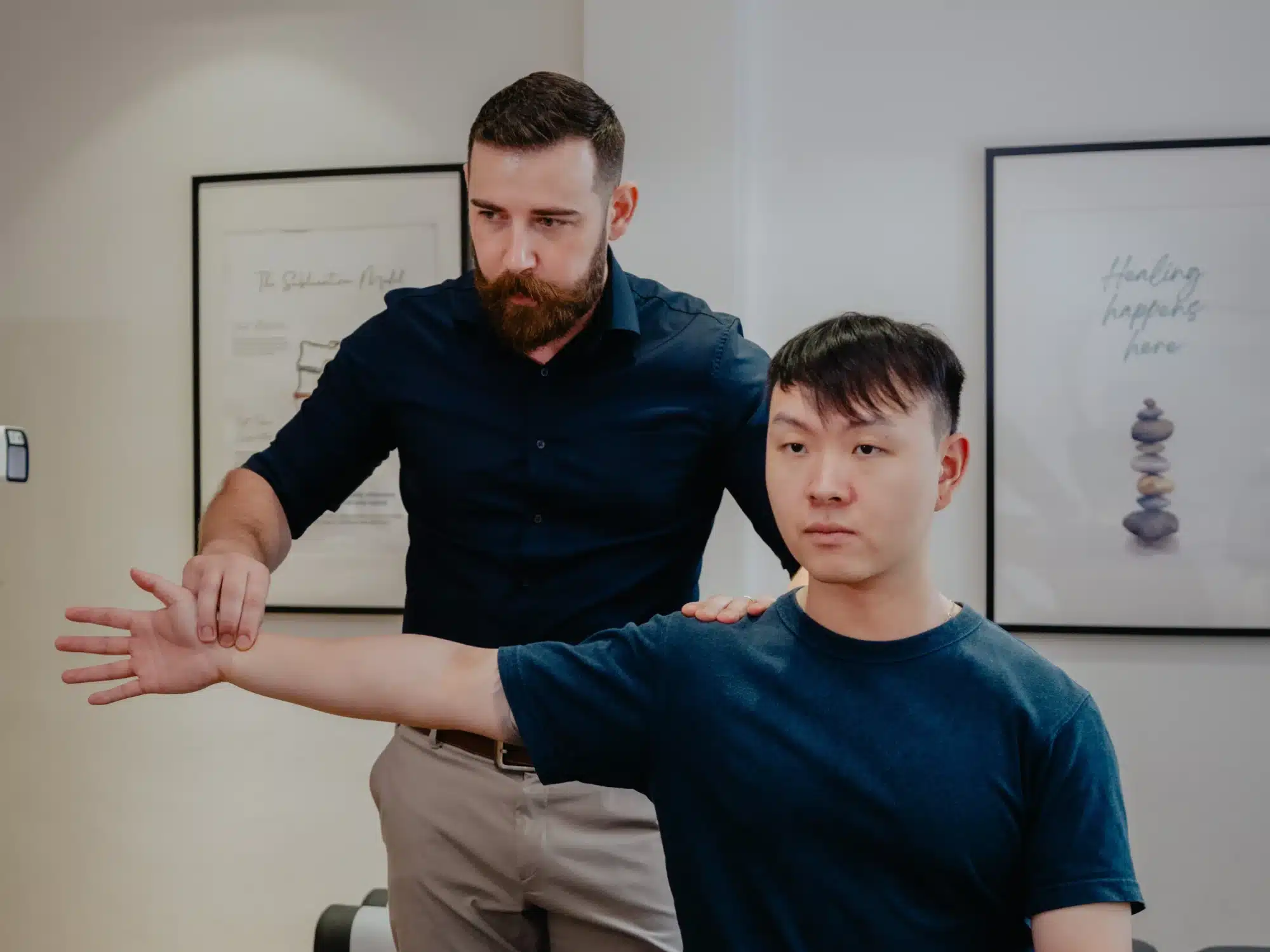
- Detailed postural assessments to identify movement imbalances or strain patterns
- Personalised exercise & movement guidance tailored to your lifestyle and daily routines
At the core of what we do is helping your nervous system work at its best — because that’s where pain often starts. Instead of just masking symptoms, we look deeper to address the root causes. By supporting both your nervous and musculoskeletal systems, we help your body move better, feel stronger, and manage pain more naturally.
Our Approach to Pain Management: What to Expect
When you visit Chiropractic Singapore, you can expect care that is:
- Respectful — We listen to your concerns and tailor our approach to you.
- Safe — We use gentle, pregnancy-safe and senior-friendly techniques.
- Structured — We assess posture, joint movement, and functional patterns.
- Collaborative — We work alongside your goals, and refer you when needed.
We do not diagnose or treat conditions, and we don’t make promises we can’t keep. But we can offer a clear path forward, grounded in what your body needs to move better and feel more supported.
Common Reasons People Seek Chiropractic Support for Pain Management
At Chiropractic Singapore, we see people from all walks of life who are looking for non-invasive ways to manage discomfort and move better. These are just a few of the common concerns that bring individuals to explore chiropractic care as part of their pain management journey:
| Concern | How Chiropractic Care May Help |
|---|---|
| Ongoing low back discomfort | Improves spinal mobility and supports better posture to reduce strain |
| Neck tension from desk work | Relieves joint restrictions and encourages balanced head and neck alignment |
| Shoulder tightness | Enhances mobility in the upper back and shoulders, supporting freer movement |
| Stiff hips or pelvic imbalance | Helps improve pelvic alignment and reduce compensation in surrounding joints |
| Postural fatigue or slouching | Reinforces upright posture through spinal support and awareness |
| Discomfort after injury recovery | Provides gentle guidance to help surrounding areas rebalance after healing |
These concerns often stem from poor posture, limited movement, or muscular compensation — not always from one dramatic event. Chiropractic care offers structured, gentle support to help your body move more freely, reduce tension, and better adapt to everyday demands.
Ready to Take the Next Step Towards Better Pain Management?
If you’re ready to explore a gentle, movement-based approach to pain management, we’re here to help. Whether you’re dealing with long-term discomfort or just want to feel more supported in your day-to-day life, our team is ready to walk alongside you. Book your appointment with Chiropractic Singapore today and let us help you feel better, move better, and live better.
Frequently Asked Questions
1. Is chiropractic care safe for pain management?
Chiropractic care is generally safe when delivered by a trained and registered chiropractor. We always begin with a thorough assessment and tailor your care based on your comfort level and goals.
2. Can I see a chiropractor while also visiting a medical pain management clinic?
Yes — many of our clients use chiropractic care alongside other medical or allied health services. We’re happy to coordinate and work with your existing healthcare providers.
3. Will I be adjusted on the first visit?
Not always. We start with a comprehensive consultation and assessment. If care is appropriate, your chiropractor will explain the next steps clearly before any adjustments are made.
4. What kind of pain is not suitable for chiropractic care?
If your pain is related to infections, fractures, cancer, or severe neurological conditions, chiropractic care may not be suitable. We will refer you to one of our trusted healthcare partners if needed.
5. Do I need a referral to book a session?
No referral is needed. You can book directly with us. If you have recent imaging (X-rays, MRI), feel free to bring it along — it helps us better understand your case.


 Simple, no-pressure, and already trusted by Singaporeans.