

Why is it important to have a well aligned spine?
So your spine is one of the most important structures in your body. Your spine helps to hold you upright, it supports the rest of your body. Your spine also allows you to move, bend and twist. Each of the vertebrae move together to allow you to have a full range of motion. So when one vertebrae moves out of its normal alignment and becomes stuck or fixated in that position, it’s going to prevent you from having a normal range of motion. This can ultimately affect your posture.
So by having a spine that’s in its proper alignment, what this means is that you’re going to be able to have normal range of motion, flexibility, good posture, and your spine can function at its optimum.
How does a misaligned spine cause headaches, numbness and other pains?
The other thing that your spine does is that it helps to protect your nervous system.
Your nervous system is made up of these 3 things:
- Your brain
- Your spinal cord which travels down the centre of the vertebrae
- The nerves exit between the bones
What types of pain can a chiropractor help with?
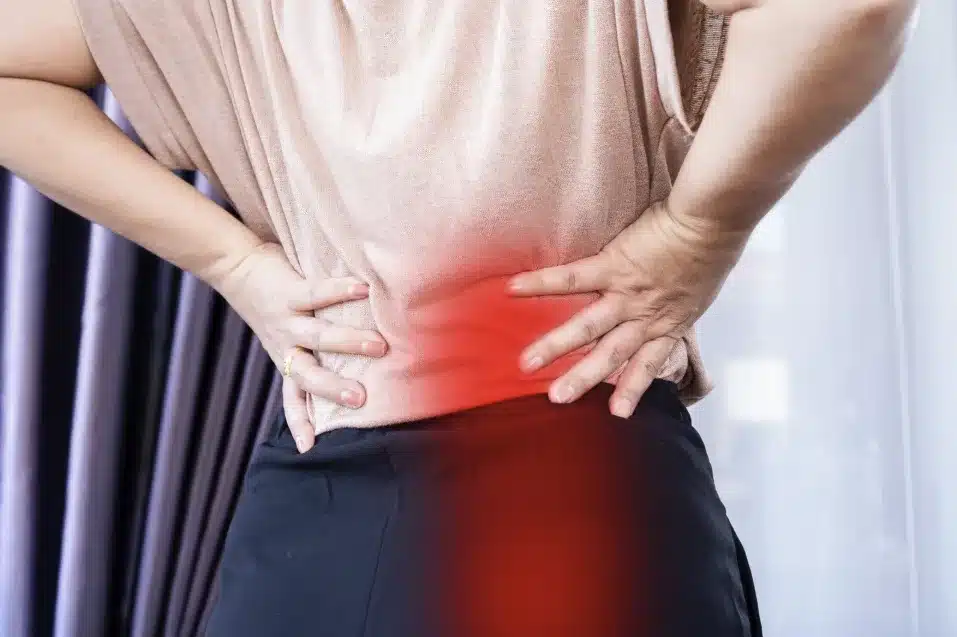
There are many different types of pain you could have. Pain radiating down the leg or sciatica are very clear signs of irritation to the nerves and that is one of the main things that chiropractors can help with chiropractic approach.
Not limited to mechanical kinds of pain like a stiff neck or sore lower back, chiropractors can also help with pain radiating down your arm of leg.
With that said, chiropractic is more than just a solution for pain, chiropractors help people feel better and function better. What chiropractors focus on is to prevent pain from ever coming in the beginning. It is much easier to prevent a problem rather than to seek a solution.
What actually happens during a chiropractic adjustment?
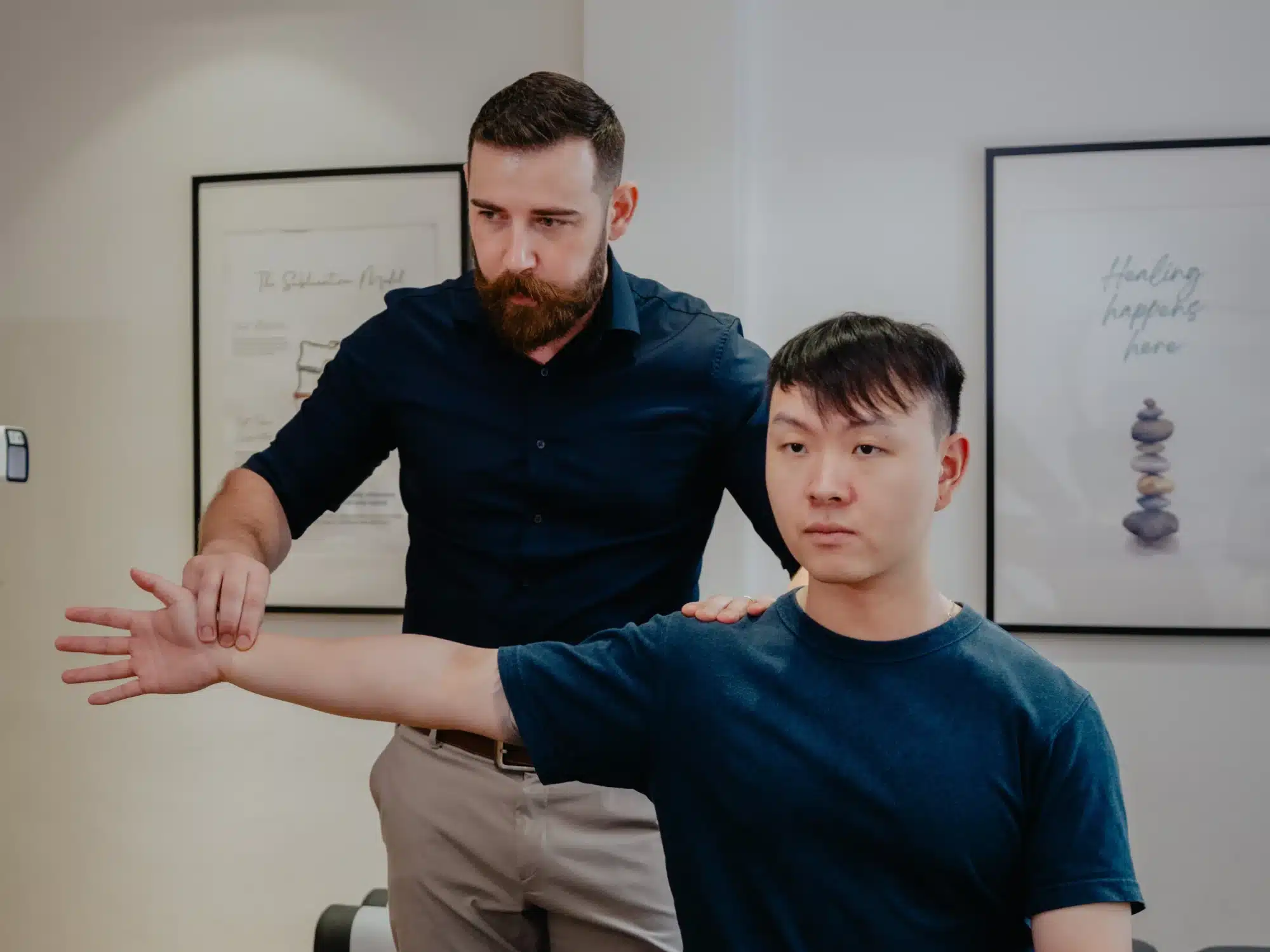
When a spine is misaligned, it restricts movement. So what a chiropractor does is to feel how things are moving, for example in the pelvis region, a chiropractor can feel that the left side is not moving as much as the right side. In a case as such, they will also compare the tailbone to see if the movement to the left is restricted as well.
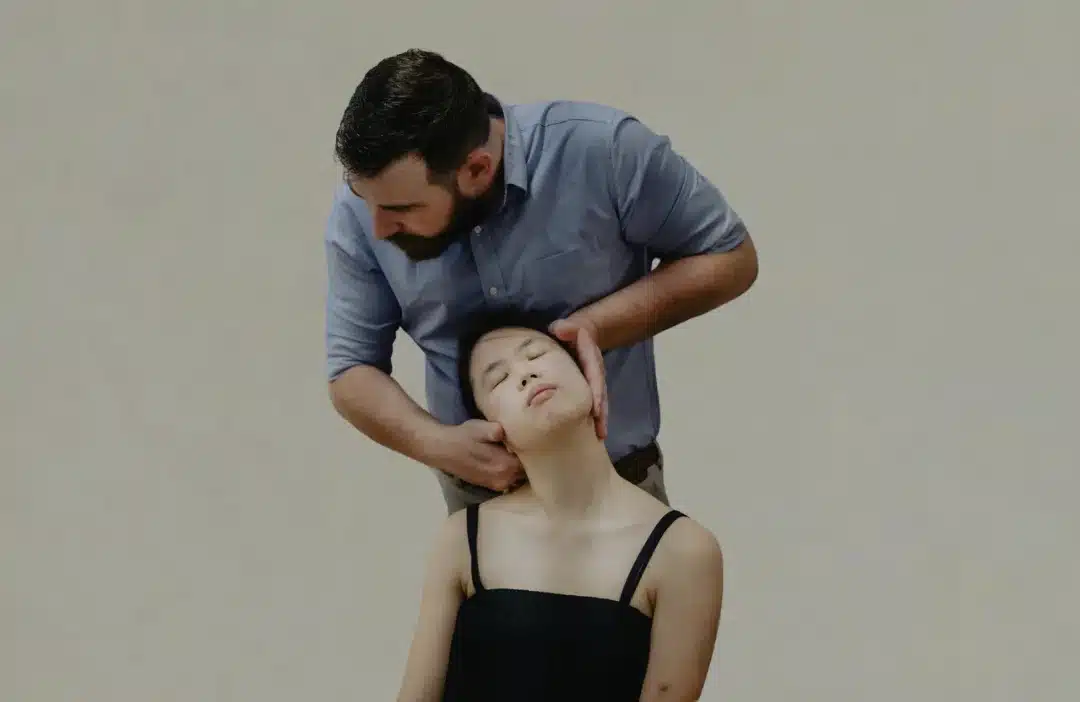
During the adjustment, chiropractors adjust the spine back into its proper alignment with the aid of a chiropractic table.
An effective chiropractic adjustment allows the body to move without restriction and restore your natural range of motion.
So what’s really causing those loud cracks during an adjustment?
Chiropractors do not crack bones. That said, it is normal to hear a “popping” or “cracking” sound during an adjustment.
The popping sound is due to a change in pressure, as a joint moves in a specific way. There are small pockets of air or bubbles that surround the joint. During a chiropractic adjustment, the tissues are stretched out, “popping” the air pocket, which then creates the cracking sound.
It is the very same principle as when you open a carbonated drink and hear the fizziness, that is the carbon dioxide being released from the liquid. Similarly, that “popping” or “cracking” sound during an adjustment is simply gas leaving the joint capsule.
Do loud cracks equate to great adjustments?
It is a common misconception that the “cracking”, “clicking”, or “popping” sound you might hear during an adjustment is the best indication of whether the adjustment was a “good adjustment” or not. That is simply not true.
The sound that you may or may not hear really depends on the person and the chiropractic technique that is used. There are many different kinds of chiropractic techniques. The same can be said for different types of adjustment positions. You may hear a lot of “cracking” sounds on one adjustment, and on a different adjustment, you may not hear as much sound. So benchmarking a good adjustment based on the loudness of the “cracking” sound is not the best indication of an effective adjustment.
Is it bad to crack myself?
Typically if you’re just doing normal movements or stretches, that shouldn’t be a concern at all. However, many people can have this bad habit where they try to twist their spine very quickly to create that crack.
When you do have stress or misalignment on your spine, for example in the neck, the specific joint that’s rigid won’t move very well and some of the other areas around that joint will move more to compensate. So whenever you do that type of quick cracking, the misaligned joint doesn’t actually move more, instead the ones around have to compensate and start to become hyperflexible. This can lead to potential issues in the future.
When to choose chiropractic over other methods?
Chiropractic vs Physiotherapy
Physiotherapy focuses on treatment to restore and maintain most of your mobility, function, and well-being. You are heavily involved in your own recovery as specific exercises are taught to be done at home to aid muscle recovery.
The key difference is that physiotherapy largely focuses on the area affected, and treatment is specific to that area, rather than a holistic approach to your health. Chiropractic focuses on addressing subluxation which affects your nervous system and causes pain.
Chiropractic vs Traditional Chinese Medicine (TCM)
TCM is a branch of traditional medicine that is said to be based on more than thousands of years of Chinese medical practice. The approaches include acupuncture, herbal medicine, and tui na (推拿) among others.
One of the approaches known as tie da (铁打), or “bone setting” does appear to look similar to chiropractic adjustments. However, while the biomechanical adjustment may look similar when performed, the fundamental belief system and care approach are very different from chiropractic as the focus is not on the nervous system.
Chiropractic vs Massage Therapy
Massage therapy is focused on manipulation of soft tissues in the body which comprise the muscle, connective tissue, tendons, ligaments, and skin. Varying degrees of pressure and movement is utilized to relieve muscle tension.
The key difference is that massage therapy is focused on relieving stress in the soft tissues, rather than understanding if a spinal misalignment is causing recurring muscle stress along your neck and back.
Chiropractic vs Medication
Painkillers help to manage the symptoms of joint pain and swelling, and in cases of acute pain provide immediate, symptomatic relief.
While painkillers effectively provide relief, they do not resolve the root cause of the problem. In fact, long term use of opiods may lead to dependence on these medications, and worse, addiction. Research has shown that there are long term physical effects of painkiller dependence, such as lowered immunity, gastrointestinal problems, impaired mental function, among others.
Chiropractic care is a drug-free approach which relieves pain through manual chiropractic adjustments complemented with exercises to increase joint mobility.
Chiropractic vs Pain-relief patches
Pain-relief patches are transdermal analgesic (or painkillers) used to provide temporary relief of minor aches and pain.
For muscle aches caused by activity (e.g. sports, marathons) or improper lifting of heavy objects, these patches serve as a cost-effective approach to finding relief. However, these provide only a temporary relief that is not the long-term solution for recurring pain.
Chiropractic goes beyond providing temporary relief to understanding your condition and working on correcting spinal misalignments.
Chiropractic vs Exercise
Exercises such as Yoga and Pilates are great as they incorporate stretches and exercises to strengthen your back and core muscles, which consequently help you hold a better posture. These exercises also increase joint mobility and range of motion.
However, these exercises are unable to address and adjust spinal misalignments. Think about how brushing your teeth regularly is good dental hygiene, but is unable to straighten your teeth.
We complement chiropractic adjustments with exercises to help strengthen muscles and ligaments that support the spine to better hold the adjustments.
Do I really need a spinal check-up?
There are many different types of pain you could have. Pain radiating down the leg or sciatica are very clear signs of irritation to the nerves and that is one of the main things that chiropractors can help with chiropractic approach.
Not limited to mechanical kinds of pain like a stiff neck or sore lower back, chiropractors can also treat pain radiating down your arm of leg.
With that said, chiropractic is more than just a solution for pain, chiropractors help people feel better and function better. What chiropractors focus on is to prevent pain from ever coming in the beginning. It is much easier to prevent a problem rather than to seek a solution.



 Simple, no-pressure, and already trusted by Singaporeans.