
Wrist pain among desk workers often stems from localised repetitive strain or referred nerve compression originating in the upper body. Chiropractic care provides a non-invasive solution that addresses the root cause through targeted joint adjustments, soft tissue therapy, and advanced modalities like shockwave or laser therapy to reduce inflammation and restore natural, pain-free mobility.
Do you find yourself shaking out your hands after a long hour at your computer? Wrist pain can turn simple daily tasks into a frustrating chore. If you are wondering what treatments are effective for wrist pain, chiropractic care offers a practical starting point. These non-invasive methods focus on gently reducing joint stiffness and easing nerve irritation in the wrist. By addressing the root of the discomfort, the goal is to help you regain comfortable, natural movement so you can get back to your day without constant distraction.
Understanding Hand and Wrist Pain in Singapore Desk Workers
Many office workers spend hours clicking and typing without realising the physical strain it places on their bodies. Over time, these daily habits can lead to repetitive strain injuries and localised discomfort in the hands and wrists.
Common Causes of Wrist Pain
This continuous daily strain often manifests as specific, localised conditions:
- Carpal Tunnel Syndrome: Occurs when swelling in the wrist tendons compresses the median nerve, leading to weak wrists, tingling sensations, or sharp discomfort.
- Repetitive Strain Injuries (RSI) & Sprains: Triggered by poor workstation ergonomics and typing at awkward angles, which stretches or irritates the supporting ligaments.
When Are Your Symptoms Worse? (e.g., Nighttime Carpal Tunnel)
Many people notice their discomfort peaks during the night. If you wonder what time of day is carpal tunnel tends to be the worst, it is frequently during sleep because fluid naturally redistributes in the body when lying down, increasing pressure in the carpal tunnel.
How Neck and Shoulder Tension Cause Hand Pain
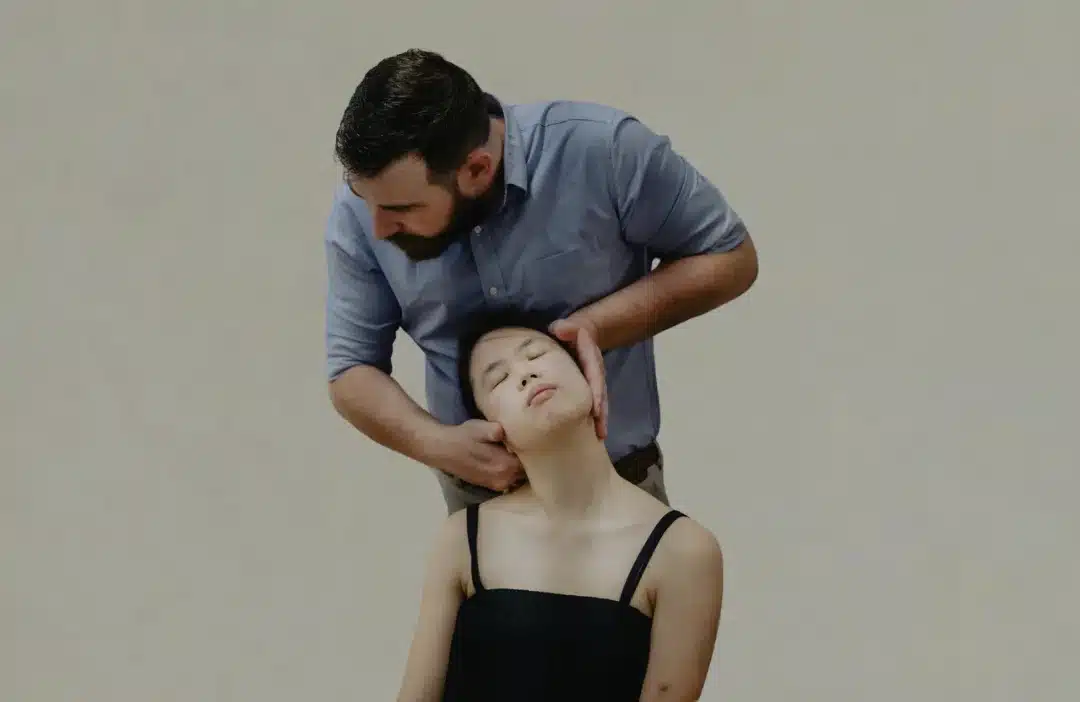
The musculoskeletal system is highly interconnected. Chronic slouching strains the cervical spine (neck), compressing nerve roots that travel through the shoulder down to the fingers. This means upper body tension can directly trigger hand pain via referred nerve pathways. A chiropractic assessment can help evaluate your spinal alignment to identify and manage the structural stressors contributing to your symptoms.
Why You Should See a Chiropractor for Wrist Pain
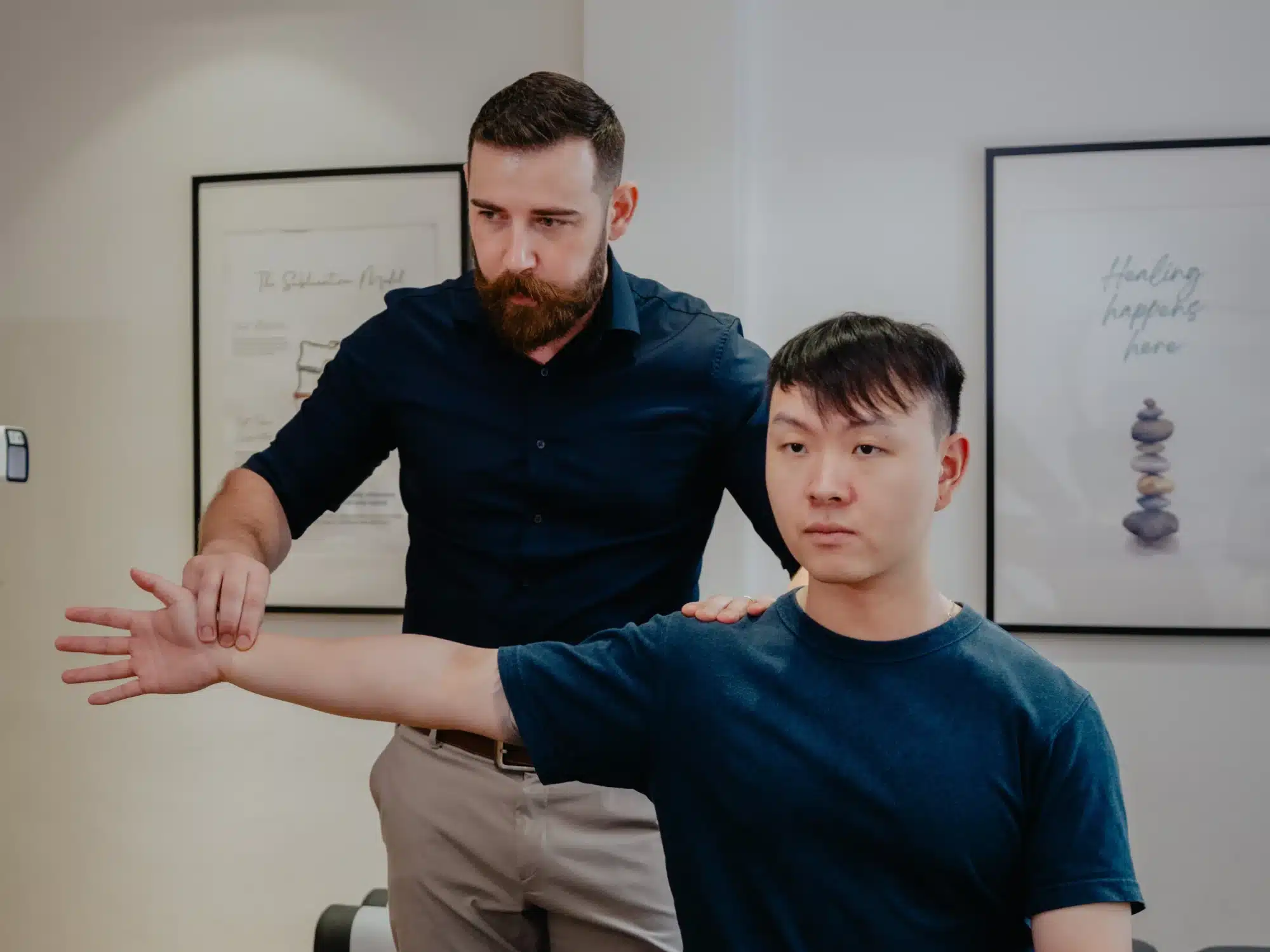
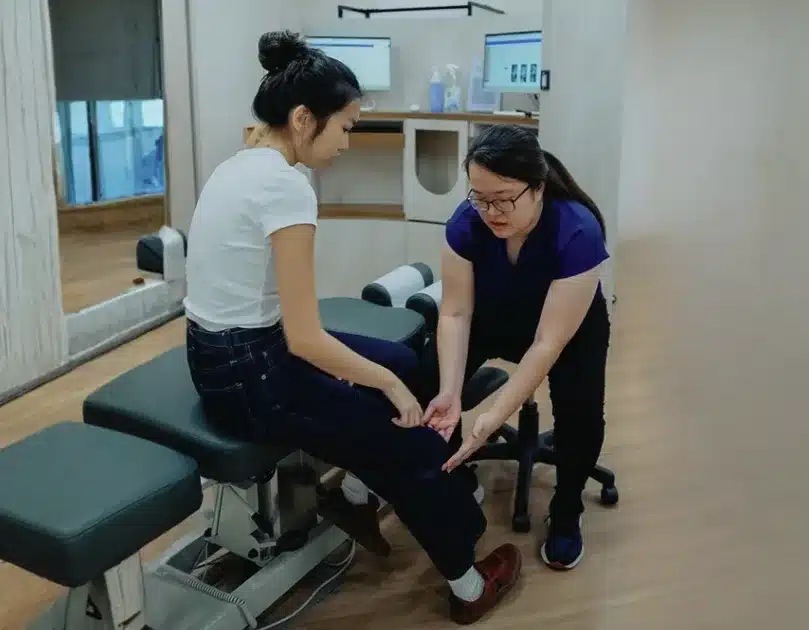
A chiropractor evaluates the mechanical alignment of your entire arm. Because the nerves in your hand originate in your neck, wrist pain is often linked to joint restrictions further up. Utilising targeted chiropractic care restores proper mobility and relieves pressure on compressed nerves, supporting natural healing and preventing long-term, recurrent strain.
Chiropractic Treatments for Wrist Pain Relief
Managing wrist pain effectively usually means looking at the bigger picture instead of just masking the discomfort. Rather than only treating where it hurts, chiropractic care focuses on a mix of hands-on joint adjustments and targeted therapies. These non-invasive methods work together to improve how your joints move, ease muscle tension, and calm down localised inflammation at the root.

Joint Adjustments for Wrist and Spine Alignment
A carpal tunnel chiropractor looks beyond just the local pain. They can perform a tailored chiropractic adjustment on the tiny carpal bones, elbow, or even a chiropractor spine adjustment if a nerve is pinched further up. This helps restore natural movement patterns.
Soft Tissue Therapy & Nerve Decompression
Muscles in the forearm often become tight and filled with scar tissue from repetitive desk work. Providers use targeted soft tissue therapy, such as myofascial release and Active Release Techniques, to stretch these structures and improve blood circulation.
Advanced Modalities: Shockwave, Laser, and Ultrasound Therapy
For chronic conditions like tendonitis, non-invasive modalities can support the healing process:
- Shockwave therapy: Sends sound waves into tissues to stimulate healing.
- Laser therapy: Uses low level light to promote cellular repair.
- Ultrasound: Emits sound waves to ease deep tissue swelling.
Kinesio Taping, Bracing, and Corrective Exercises
Supportive care keeps the wrist stable during daily tasks. Practitioners may apply kinesio tape to encourage better grip strength or prescribe nerve flossing exercises to help the median nerve glide smoothly through tight spaces. Incorporating targeted movement into a recovery plan is highly beneficial; exploring the role of stretch therapy in Singapore alongside corrective exercises helps stabilise the joint complex, release muscle stiffness, and protect the wrist from future repetitive strain injuries.
Frequently Asked Questions About Wrist Pain Treatment Singapore
What is the fastest way to treat wrist pain?
There is no instantaneous treatment, but combining rest, early active physical care, and professional joint mobilisation appears to offer an efficient path to recovery.
How much does a chiropractor session cost in Singapore?
Rates vary across different centres, but a standard consultation and initial session generally ranges from eighty to one hundred and fifty dollars, depending on the required therapies.
How do I get inflammation out of my wrist?
Conservative strategies like temporary icing, resting from repetitive tasks, ergonomic adjustments, and specialised soft tissue treatments can help reduce deep swelling.
Book Your Visit and Find a Chiropractor for Wrist Pain Near Me
If you are a hand pain desk worker professional in Singapore that is struggling with daily strain, professional support can help restore your comfort. Personalised care pathways can target your specific symptoms to get you moving freely again. Schedule your assessment today to address your discomfort at its source.