
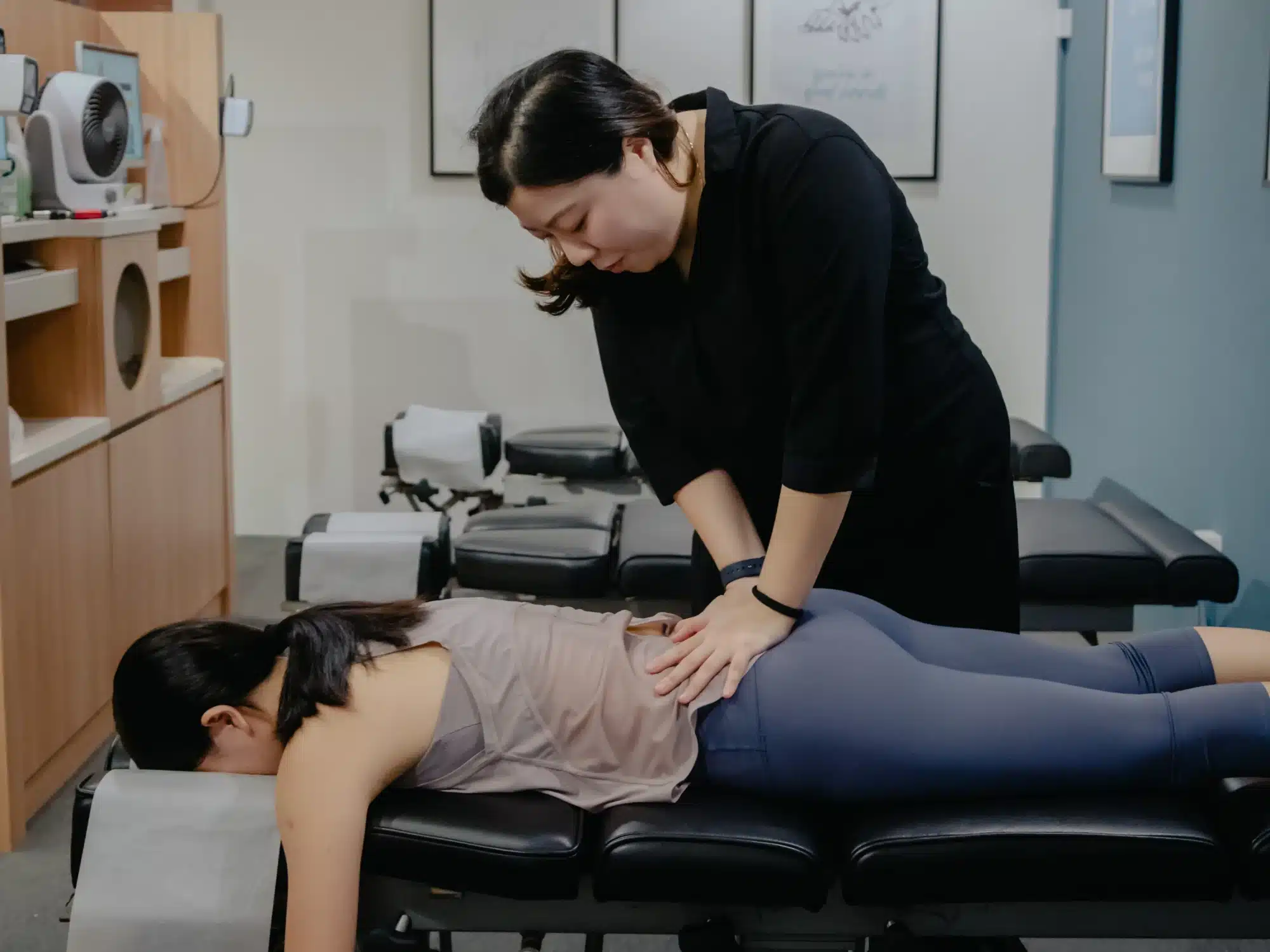
• The Risk: DIY back and neck cracking lacks precision, moving the wrong joints and causing long-term instability.
• The Science: The “pop” is just gas releasing (cavitation); it doesn’t mean your spine has actually realigned.
• The Solution: Professional spinal manipulation targets the root cause of stiffness safely based on a clinical assessment.
Cracking your own neck or twisting your back might give you a second of relief, but doing it regularly can actually strain your joints over time. It is a tough habit to break when you are dealing with daily stiffness, but self-cracking is very different from getting a professional chiropractic adjustment. A proper check-up looks at why your back or neck feels so tense in the first place, helping you safely address the root cause instead of just chasing temporary comfort.
What is Spinal Manipulation?
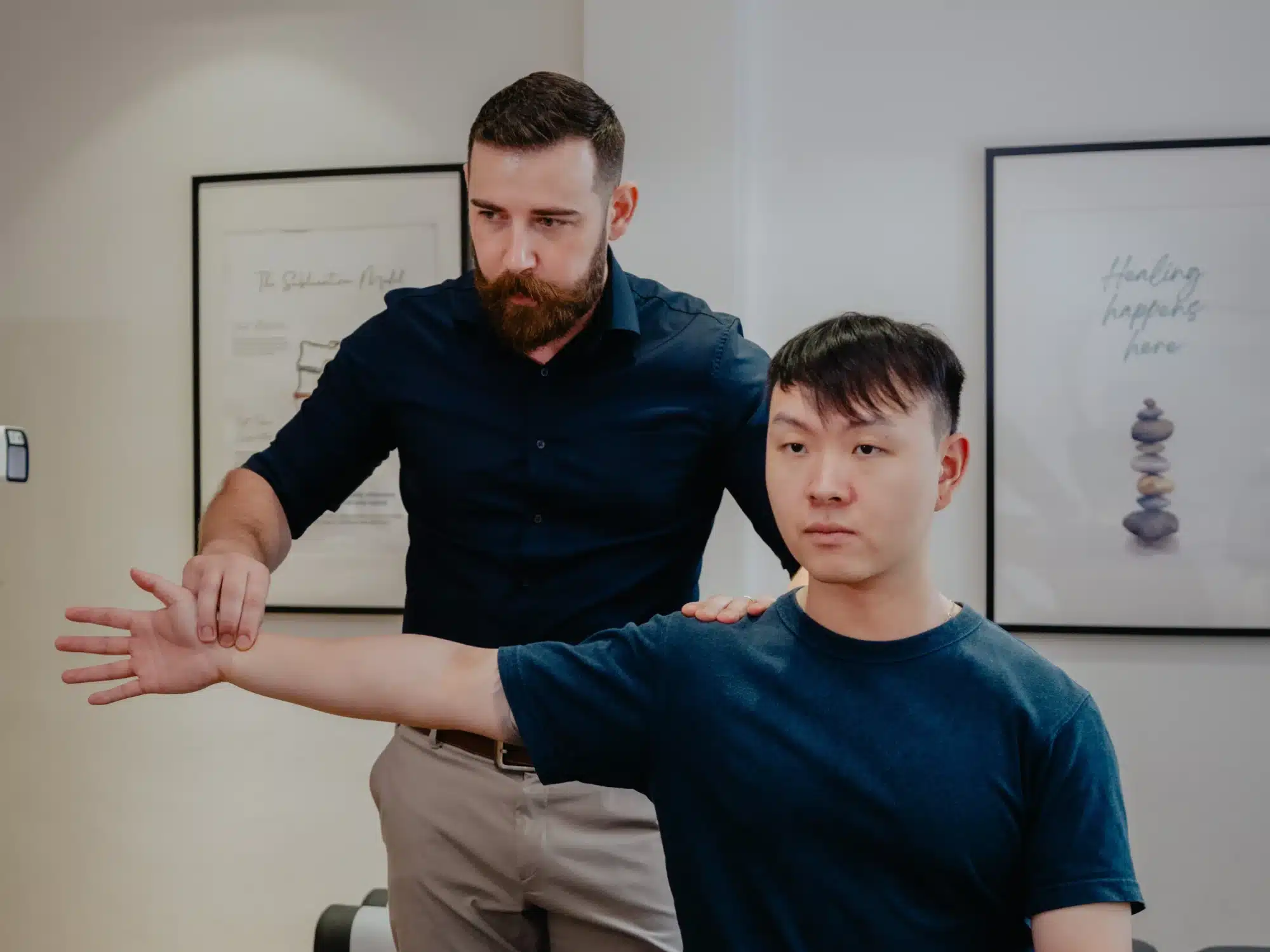
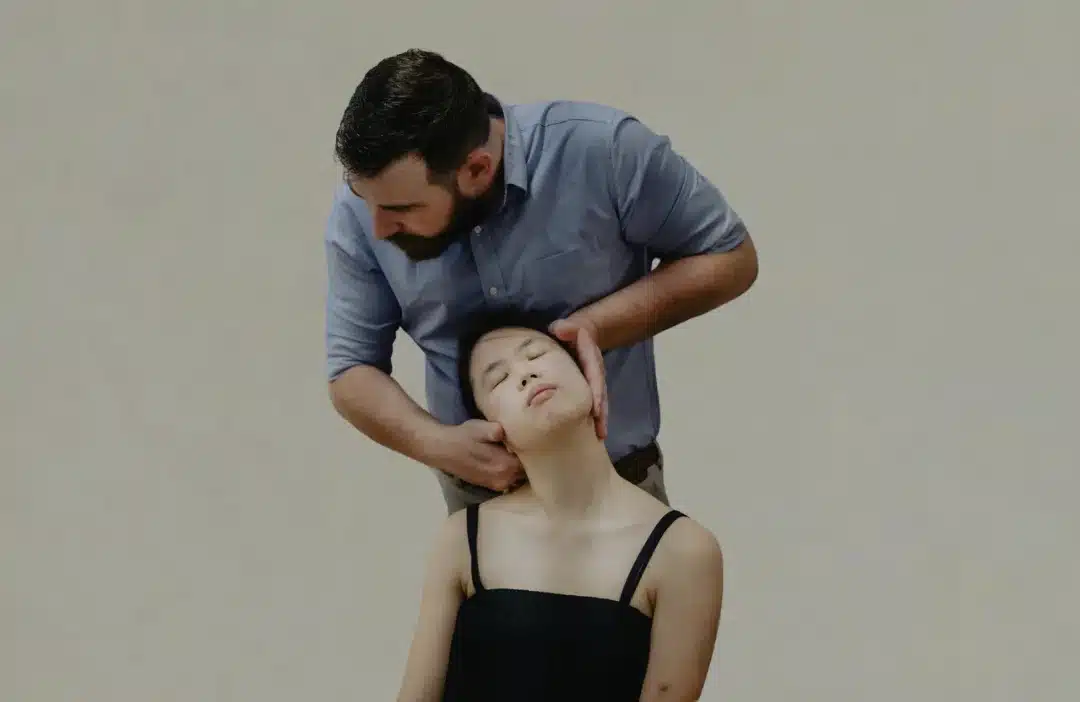
Spinal manipulation is a precise, manual intervention focused on restoring normal motion to restricted joint segments. Trained practitioners apply a specific, directed force to a joint using tools and techniques. This clinical process is designed to support general spine health and enhance physical mobility.
Spinal Manipulation vs. Spinal Mobilisation: What’s the Difference?
While both methods target joint stiffness, they are done quite differently. A chiropractic adjustment uses a quick, precise movement to a specific joint to help restore its motion. On the other hand, spinal mobilisation involves much slower, gentle stretching and passive movements within your joint’s normal range. Which technique is used simply depends on what your body needs after a proper assessment.
What Actually Happens When You Crack Your Back? (The Science)
Cracking your back simply releases gas bubbles from the fluid inside your joints, a process known as cavitation. When a joint moves, the space inside it expands, causing nitrogen and carbon dioxide to pop.
It is a common misconception that this sound means a joint has been successfully realigned. However, the pop is just a quick change in joint pressure and does not guarantee that the structural issue is resolved. A joint can make a loud sound even if it remains restricted, which is why the noise itself does not measure the success of your care.
Why Professional Spinal Manipulation Works: What the Research Shows
Clinical studies suggest that structured manual therapy offers distinct benefits for spinal pain. The effectiveness of these therapies is closely tied to precise delivery by trained professionals.
The Evidence for Lower Back Pain Relief
Medical guidelines from international physician groups often recommend manual adjustments as a first-line treatment for lower back pain. Research published in prominent medical journals shows that positive outcomes are achieved under professional care following a detailed clinical assessment.
Restoring Mobility and Spinal Function
Clinical literature indicates that precise spinal manipulation helps alter central pain processing and influences the nervous system to relax tight paraspinal muscles. These neurophysiological improvements are documented when targeted spinal adjustments are safely delivered by a trained professional following a thorough clinical assessment.
Why People Crack Their Own Backs (Common Reasons)
Spending long hours at an office desk or looking down at mobile devices is a common part of modern life in Singapore, often leading to a condition known as tech neck. This posture places a massive amount of strain on the neck and back. It is completely natural for individuals to seek quick relief, which is why many fall into the habit of cracking their own joints. The quick stretch releases endorphins, providing a brief, satisfying sensation of comfort that naturally reinforces the habit whenever tension builds up.
The Risks of Self-Adjustment: Why DIY Cracking is Dangerous
Cracking your own joints lacks precision. While a professional isolates and moves the specific joint that is stuck, DIY cracking typically moves the looser joints right above or below the restricted area. Over time, repeatedly moving these already flexible areas can lead to joint instability and strain rather than resolving the actual stiffness.
The Extreme Dangers of DIY Neck Cracking
The cervical spine contains delicate blood vessels, nerves, and ligaments. Forceful, unguided twisting of the neck can lead to severe issues, such as nerve compression or, in rare cases, damage to the vertebral arteries. Avoiding self-cracking in this region is essential for basic safety.
Progressive Joint Instability and Hypermobility
Constantly forcing a joint to pop stretches the surrounding ligaments. Over time, these supporting tissues lose their elasticity, leading to chronic joint instability. The body may respond by tightening the surrounding muscles even further to compensate for the loose joints.
Nerve Irritation and Chronic Muscle Tension
Uncontrolled movements can easily pinch or irritate nearby spinal nerve roots. Because DIY cracking does not address the underlying structural issue, the surrounding muscles stay tight and guarded, keeping a cycle of chronic tension going.
Psychological and Physical Dependency
Because the release of endorphins brings quick relief, it is easy to fall into the habit of cracking your joints multiple times a day. The body begins to rely on this temporary chemical comfort, even though the underlying joint issue continues to worsen over time.
Red Flags: Signs You’re Doing More Harm Than Good
If you experience any of the following symptoms, your spine health may be compromised by improper movement:
- Persistent back, neck, or shoulder pain that returns shortly after cracking.
- Numbness, tingling, or weakness radiating down into your arms or legs.
- A noticeably reduced range of motion or lingering stiffness.
- Painful muscle spasms or a constant, recurring need to crack yourself for relief.
When Spinal Manipulation Is NOT Recommended
A clinical assessment is essential because manual care isn’t suitable for everyone. A professional evaluation ensures that any underlying health issues are identified first, keeping your safety the top priority.
Absolute Contraindications (When to Avoid It Entirely)
Firm, high-velocity adjustments are not suitable for every spine. For safety reasons, these standard techniques are ruled out completely if a patient has specific underlying medical conditions, such as:
- Severe osteoporosis or fragile bone density
- Recent spinal fractures
- Advanced, unstable arthritis
- Known tumours within the skeletal system
Relative Contraindications (When to Modify the Approach)
In cases of moderate disc herniations or milder bone density loss, a practitioner will alter the care plan. They may utilise gentle spinal mobilisation or low-force tools instead of standard thrusts to ensure patient safety.
Professional Spinal Manipulation vs. DIY Back-Cracking
To understand how chiropractic adjustments work**,** it is essential to look at the massive difference between professional care and DIY back-cracking:
| Feature | Professional Care | DIY Back-Cracking |
|---|---|---|
| Skill & Precision | Professional clinical training | Unguided guesswork |
| Diagnosis | Thorough chiropractic assessment | Zero assessment |
| Safety & Force | Controlled, specific direction | Uncontrolled, broad force |
| Long-Term Results | Corrective, lasting relief | Temporary symptom masking |
| Risk Profile | Low when screened professionally | High, especially for the neck |
What to Expect During a Professional Chiropractic Check-Up
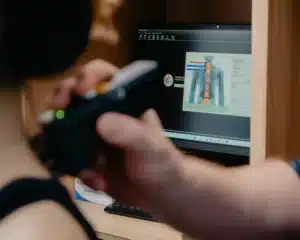
Before any treatment takes place, a thorough evaluation is essential to map out the exact status of your spinal health. This structured process ensures your care is targeted, deliberate, and completely safe.
Step 1: Initial Consultation and Health History
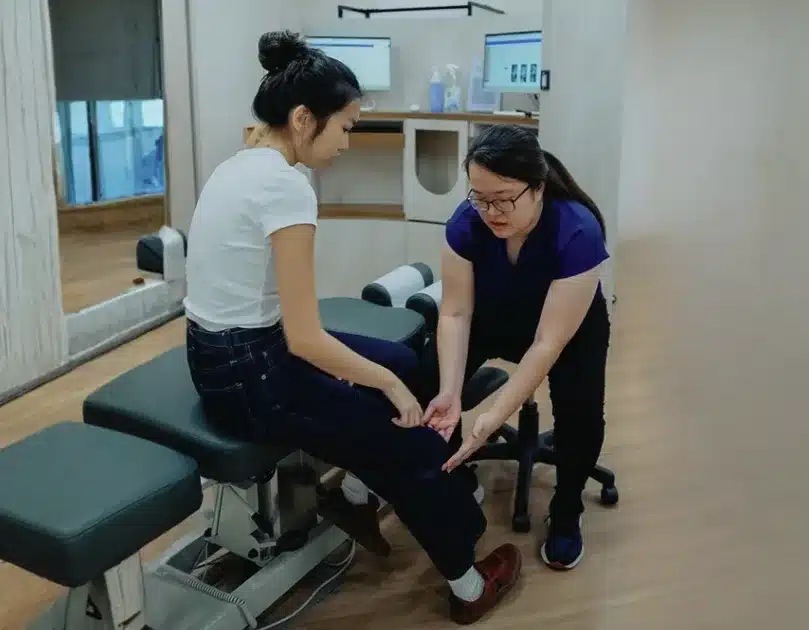
Your visit begins with a detailed review of your past medical history, lifestyle factors, and specific physical symptoms.
Step 2: Physical and Postural Assessment
The chiropractor conducts physical and neurological tests to evaluate joint movement, nerve function, and general posture.
Step 3: Personalised Treatment Plan and Targeted Care
If appropriate, a customised care plan is designed for your needs. This outlines what to expect chiropractic adjustment sessions to look like and whether specific exercise therapies are required.
Frequently Asked Questions About Spinal Manipulation and Back-Cracking
Is it ever safe to crack your own back or neck at home?
Generally, it is a bad idea to do so. While gentle stretching is perfectly fine and safe, twisting or forcing your own spine to pop introduces significant self-adjustment risks that are best avoided.
How does a chiropractor know exactly which joint to adjust?
Through extensive training, a practitioner uses motion palpation and functional tests to locate the precise joint segments that are restricted.
How often should I get a professional spinal check-up?
Frequency depends entirely on your specific physical condition, posture goals, and daily activity levels.
Will a professional spinal manipulation hurt?
Most patients report little to no discomfort. The procedure is typically quick and delivered within a highly relaxed state.
Take the First Step Toward Lasting Spinal Health
Spinal manipulation remains a helpful, evidence-based option when handled by a qualified practitioner, but repetitive self-cracking exposes your body to unnecessary risks. Masking the stiffness with a temporary pop leaves the root cause unaddressed. Your spine deserves precise, targeted care.


 Simple, no-pressure, and already trusted by Singaporeans.