
Published on: 27 November 2026
Anterior shin splints is the name many runners use for aching along the front and outer side of the shin. It often appears after a jump in mileage, a hilly route or a switch to new shoes. This guide explains which muscle is usually involved, how it differs from other shin pain and the warning signs that point to something more serious.
Key Takeaways
- It is a common name, not a formal diagnosis: It usually describes overuse of the tibialis anterior, the muscle on the front of the shin.
- Downhill running and overstriding add load: The front shin muscle works hard to control your foot as it lands.
- Not all front shin pain is shin splints: Compartment syndrome and anterior tibial stress fractures need a medical review.
- Load changes usually come first: Reducing mileage, avoiding downhills and strengthening the lower leg are common early steps.
- Recovery varies: Many runners return gradually rather than resting completely.
What Are Anterior Shin Splints?
Doctors usually use the term shin splints for medial tibial stress syndrome, which causes pain along the inner edge of the shinbone. That pattern is covered in our guide to posterior shin splints. Anterior shin splints describes pain on the front and outer side of the shin instead, and it is a common name rather than a formal medical diagnosis.
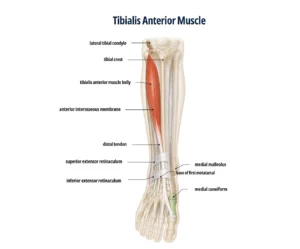
The muscle usually involved is the tibialis anterior. It lifts your foot and toes, and it controls how your foot lowers to the ground after your heel lands. When it is asked to do more than it can handle, the muscle and the tissue around it become sore and tender.
Common Symptoms and Underlying Causes
Symptoms tend to build over a few runs rather than appear in one moment. They often start as an ache that fades once you warm up.
Signs to Watch For
- An ache on the front and outer side of the shin during or after running
- Tenderness over the muscle rather than the bone
- Pain when lifting your toes or walking downhill
- Stiffness in the front of the shin the morning after a run
What Overloads the Front Shin Muscle
- A sudden increase in distance, speed or number of runs each week
- Downhill running, which makes the muscle work harder to control each step
- Overstriding or landing heavily on the heel
- Tight calf muscles, which the front shin muscle has to work against
- New, worn or very different shoes
- Long runs on concrete park connectors and pavements

Front Shin Pain That Is Not Shin Splints
Two conditions can feel similar but need a different approach. Both are described in a review of shin pain in athletes published in the Australian Journal of General Practice.
| Condition | Typical signs | Next step |
|---|---|---|
| Chronic exertional compartment syndrome | Tightness or pressure that starts at a similar distance each run and eases with rest, sometimes with numbness on top of the foot | Sports physician or orthopaedic review |
| Anterior tibial stress fracture | Pain on one spot at the front of the shinbone, often worse at night | Prompt medical review and imaging |
The front of the leg is the area most often affected by exertional compartment syndrome. Stress fractures at the front of the tibia are less common but are considered high risk, because they often heal poorly without specialist care. Stop running and see a doctor if you have pinpoint bone pain, pain at rest, numbness or weakness in the foot.
At-Home Care and Load Management
Early changes to your training usually make the biggest difference. The aim is to keep you active while giving the irritated muscle a chance to settle.
Practical Steps
- Reduce your weekly distance and avoid hilly routes for a while
- Shorten your stride slightly so your foot lands closer to your body
- Swap some runs for cycling or swimming
- Add calf stretches and gentle strengthening, such as seated toe lifts and heel walks, once pain allows
- Check your shoes, and switch to a new style, especially a flatter or minimalist shoe, gradually over several weeks
Our guide to shin splint stretches walks through a safe routine.
How Long Do Anterior Shin Splints Take to Heal?
There is no fixed timeline. Mild cases often settle within a few weeks once the load is reduced, while longer-standing cases can take more time. Our shin splint recovery guide explains how to return to running in stages.
Non-Invasive Chiropractic Singapore Treatments
Chiropractic care looks at the whole chain that absorbs impact when you run. A stiff ankle, a tight calf or a change in how your hips and pelvis move can all shift more work onto the front of the shin.
What Your Assessment May Include
- A spinal and pelvic examination with posture analysis
- Ankle, knee and hip range of movement testing
- Foot and footwear checks
- A review of your training load, routes and running surfaces
How Care May Help
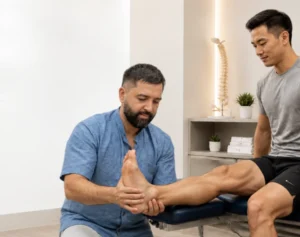
Depending on your findings, care may include mobilisation of the ankle and foot, soft tissue work on the calf and shin muscles, and adjustments to the spine and pelvis where appropriate. Your chiropractor may also guide you through lower leg and hip strengthening and a graded return-to-run plan.
If your symptoms suggest compartment syndrome or a stress fracture, your chiropractor will refer you to a doctor before continuing care. Our guide to chiropractic for athletes explains how sports-focused care fits with other treatment.
Frequently Asked Questions
What Is the Difference Between Anterior and Posterior Shin Splints?
Anterior shin splints affect the front and outer side of the shin and usually involve the tibialis anterior. Posterior shin splints affect the inner back edge of the shinbone and involve the tibialis posterior and soleus muscles. The causes overlap, but the muscles and training triggers differ.
Can I Keep Running With Anterior Shin Splints?
Light running on flat ground may be possible if pain stays mild, does not build during the run and has settled by the next morning. If pain is sharp, sits on one spot of bone or comes with numbness or tightness in the leg, stop and get it checked.
Should I Ice Anterior Shin Splints?
Ice for 10 to 15 minutes after a run can ease soreness for some people, but it does not fix the cause. Wrap the ice in a cloth to protect your skin, and focus on reducing load and building strength for longer-term change.
Do Compression Sleeves Help?
Some runners find compression sleeves comfortable, but there is little evidence that they treat shin splints on their own. Reducing load and building strength are more important.
Who Gets Anterior Shin Splints?
New runners, people returning after a break, NS recruits during route marches and runners who train on hilly routes are commonly affected. Sudden changes in footwear or running style can also play a part.
Taking the Next Step Back to Running
Front shin pain that keeps returning is a sign your training load or running style needs a closer look. Spotting warning signs early, such as pinpoint bone pain or tightness that builds every run, helps you avoid a longer layoff.
If anterior shin splints keep cutting your runs short, book an assessment with our chiropractors. We will check how your ankles, knees and hips handle impact and refer you to a doctor if further tests are needed.